

Let me tell you about the worst morning routine I ever had. I’d hit snooze three times, jolt awake in a panic, grab my phone before my feet hit the floor, scroll through emails and news while brushing my teeth, chug coffee, and rush out the door feeling like I was already behind before the day even started.
Sound familiar?
Then I discovered morning meditation routine. Not the Instagram-perfect, hour-long, incense-burning kind (though no judgment if that’s your thing ). I’m talking about a simple, realistic morning meditation routine that actually fits into real life—the kind where you might still hit snooze once, where your cat might interrupt, where some days you only manage five minutes instead of twenty.
A morning meditation routine isn’t about achieving some zen master state before sunrise. It’s about giving yourself a few minutes to wake up intentionally instead of reactively. It’s about starting your day from a place of calm instead of chaos. And here’s what surprised me most: it’s actually easier to meditate in the morning than any other time of day.
In this guide, I’ll walk you through exactly how to create a morning meditation routine that works for your life—not someone else’s idealized version. You’ll learn the seven simple steps I use every morning, the science behind why morning meditation is so effective, and how to actually stick with it (because let’s be honest, that’s the hard part).
Whether you’re completely new to meditation or you’ve tried and failed to make it a habit before, this morning meditation routine will give you a practical, sustainable approach that transforms how you start each day.
Table of Contents

Why Morning Is the Best Time to Meditate
I’ve tried meditating at different times—lunch breaks, after work, before bed. Morning consistently works best, and there are solid reasons why.
Your Mind Is Naturally Quieter
When you first wake up, your brain is in a unique state. You haven’t yet loaded up all the day’s worries, to-do lists, and mental chatter. Your mind is closer to the meditative state you’re trying to achieve, which means you’re working with your natural brain patterns instead of against them.
Think of it like this: your mind in the morning is like a still pond. By afternoon, it’s like trying to meditate in the middle of a busy highway. Which sounds easier?
You Have More Willpower
Research on decision fatigue shows that willpower depletes throughout the day. Every decision you make—what to wear, what to eat, how to respond to that annoying email—uses up your mental energy. By evening, you’re running on fumes.
A morning meditation routine happens when your willpower tank is full. You haven’t used up your decision-making energy yet, which makes it much easier to actually sit down and do it.
It Sets the Tone for Your Entire Day
Here’s what I’ve noticed: on days when I start with my morning meditation routine, I’m calmer in traffic. I respond to stress more thoughtfully. I’m more present with people. The benefits don’t just last during the meditation—they ripple through your entire day.
It’s like the difference between starting your day by scrolling through anxiety-inducing news versus starting it by centering yourself. Which version of you do you want showing up to your day?
Fewer Interruptions
Let’s be practical. Morning is often the quietest time in your home. Kids aren’t demanding snacks. Coworkers aren’t messaging you. Your phone isn’t blowing up yet (assuming you don’t check it immediately—more on that later).
A morning meditation routine takes advantage of this natural quiet period. You’re not fighting for peace—it’s already there.
It Builds Consistency
The key to any meditation practice is consistency, and morning routines are inherently more consistent than “whenever I have time” routines. You wake up every day (hopefully). Attaching meditation to that existing anchor makes it much easier to maintain.
I’ve been doing my morning meditation routine for three years now. I’ve tried afternoon meditation maybe a dozen times in that same period. Morning just works.
The Science-Backed Benefits of Morning Meditation
Okay, so morning meditation feels good. But what does the research actually say? Turns out, quite a lot.

Reduces Stress and Anxiety
A 2014 meta-analysis published in JAMA Internal Medicine reviewed 47 studies and found that meditation programs significantly reduced anxiety, depression, and pain. Starting your day with meditation means you’re proactively managing stress before it builds up, rather than trying to calm down after you’re already overwhelmed.
I used to arrive at work already stressed. Now? My morning meditation routine creates a buffer between waking up and diving into demands.
Improves Focus and Concentration
Research from Harvard found that just eight weeks of meditation practice actually changes brain structure, increasing gray matter in areas associated with learning, memory, and emotional regulation. A morning meditation routine essentially gives your brain a workout before you need it to perform.
Think of it as warming up before exercise. You wouldn’t run a marathon without stretching, right? Why would you dive into a mentally demanding day without preparing your mind?
Enhances Emotional Regulation
Studies show that regular meditation strengthens the connection between the prefrontal cortex (rational thinking) and the amygdala (emotional reactions). This means you’re less likely to react impulsively to stress.
Translation: you’re less likely to snap at your partner over breakfast or send a regrettable email before lunch. Your morning meditation routine literally rewires your brain for better emotional control.
Boosts Immune Function
A 2016 study found that meditation can reduce inflammation markers and strengthen immune response. Starting your day with meditation may actually help you stay healthier, especially during cold and flu season.
Improves Sleep Quality
Wait, morning meditation helps you sleep better at night? Yep. Research shows that regular meditation practice improves overall sleep quality by reducing the mental rumination that keeps you awake. Your morning meditation routine creates a positive cycle: better meditation leads to better sleep, which leads to better meditation.
Increases Self-Awareness
Regular meditation practice enhances metacognition—your ability to observe your own thoughts and patterns. A morning meditation routine gives you this heightened awareness right at the start of your day, helping you notice and shift unhelpful patterns before they take over.
The benefits compound over time. One morning meditation session feels nice. A consistent morning meditation routine for weeks or months? That changes your brain, your stress response, and how you show up in your life.
Creating Your Morning Meditation Space
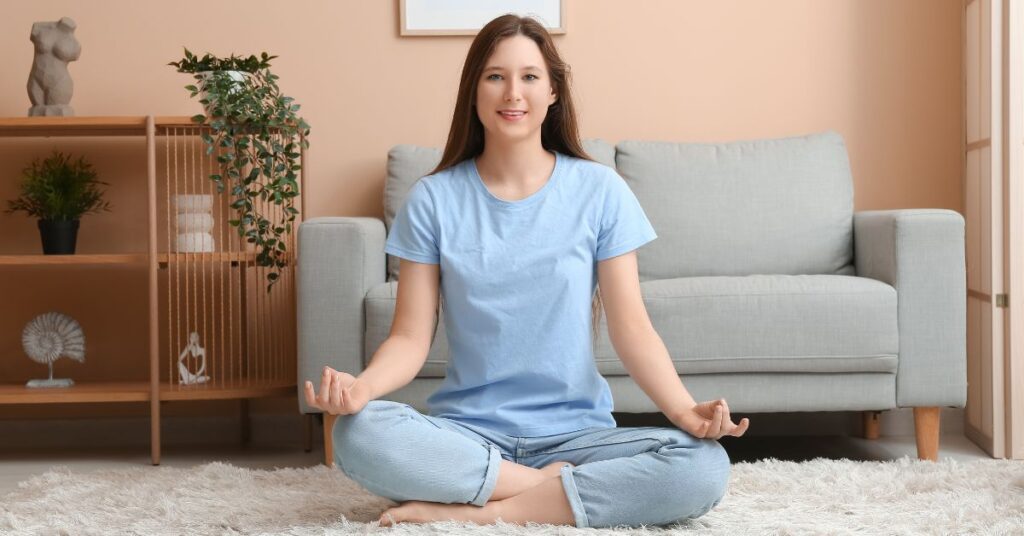
You don’t need a dedicated meditation room (though if you have one, awesome). You just need a spot that supports your morning meditation routine.
Find Your Spot
Look for a place that’s:
•Quiet (or as quiet as possible in your home)
•Comfortable (you’ll sit here every morning)
•Consistent (same spot helps build the habit)
•Away from your bed (to avoid falling back asleep)
I meditate in a corner of my bedroom, sitting on a cushion against the wall. My friend meditates in her closet (seriously—it’s the only quiet spot in her house). Another friend sits in his parked car in the driveway before his kids wake up.
There’s no perfect spot. There’s just the spot that works for you.
Gather Your Essentials
For a basic morning meditation routine, you need:
Something to sit on:
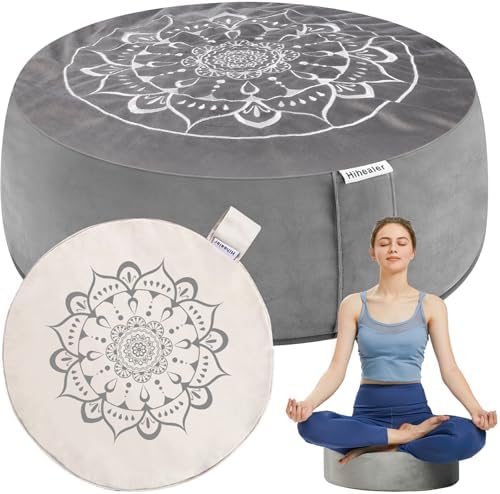
•Meditation cushion (zafu)
•Yoga block
•Folded blanket
•Chair (totally fine!)
The key is that your hips are slightly higher than your knees if you’re sitting on the floor. This prevents your legs from falling asleep and makes longer sessions comfortable.
Meditation Cushion – Comfortable zafu for floor sitting

Meditation Bench – Alternative to cushions


Optional but helpful:
•Blanket for warmth

- Premium Cotton Iyengar Yoga Blanket – Soft, breathable, and eco-friendly, perfect for enhancing your iyengar yoga practi…
- Ideal Size – Generously sized at 80×60 inches, this cushion provides full coverage and comfort, whether placed under you…
- Highly Versatile – Ideal as a yoga blanket for restorative yoga, Pilates, or the beach. Use it as a blanket, towel, or f…
•Eye mask if light bothers you

- No light Leakage: With the heightened 22 mm adaptive hollow nose bridge, LitBear sleep mask fully fits all nose shapes, …
- Completely Block Light for Side Sleeper: New design of 15° tilt angle ultra-thin sides of the eye mask for sleeping whic…
- Blinking Freely: Deep 12 mm 3D contoured cup eye sockets leave larger space for blinking, maintaining your beautiful eye…
•Noise machine if you need sound blocking
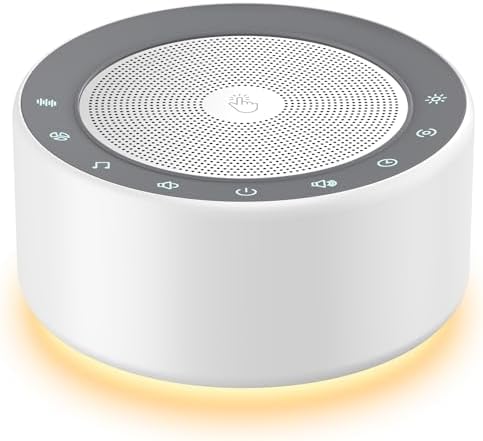
- 𝐄𝐚𝐫𝐭𝐡-𝐅𝐫𝐢𝐞𝐧𝐝𝐥𝐲: Designed with sustainability in mind, this white noise machine uses recycled materials and is supported …
- 𝐂𝐮𝐬𝐭𝐨𝐦𝐢𝐳𝐚𝐛𝐥𝐞 𝐒𝐥𝐞𝐞𝐩 𝐒𝐨𝐮𝐧𝐝𝐬: Enjoy a carefully curated library of 30 high-quality sounds, including white noise, fan sound…
- 𝐈𝐧𝐬𝐭𝐚𝐧𝐭 𝐎𝐧𝐞-𝐓𝐚𝐩 𝐏𝐥𝐚𝐲𝐛𝐚𝐜𝐤: Simplified controls eliminate scrolling and complicated menus. With a single tap, you can acti…
Meditation Timer – Simple, non-phone option

- Adjustable visual timer, 1-99 minutes preset:The cube’s timer provides quick selection of presets (1-99 minutes) for Pom…
- Silent and distracted operations:A completely silent timer with a soft light effect that visually tracks time – no ticki…
- Rechargeable and long-lasting battery:USB-C is rechargeable and can last up to 10 hours of continuous use without the ne…
Set the Atmosphere
Your morning meditation routine will be more appealing if the space feels inviting:
•Dim lighting – Harsh overhead lights jar your nervous system
•Fresh air – Crack a window if possible
•Minimal clutter – Visual chaos creates mental chaos
•Personal touches – A plant, a candle, a meaningful object
I keep my meditation corner simple: cushion, small plant, and a candle I light each morning. That’s it. The ritual of lighting the candle signals to my brain that it’s time for my morning meditation routine.
For more ideas on creating peaceful spaces, check out our guide on creating a zen space at home.
The Phone Question
Here’s my strong recommendation: keep your phone out of your meditation space. I know, I know—you might use a meditation app. But if possible, use a separate timer.
Why? Because the moment your phone is in your hand, you’re one swipe away from checking email, news, or social media. And once you do that, your morning meditation routine happens in a mind that’s already activated and reactive.
If you must use your phone, put it on airplane mode and place it face-down across the room.
Your 7-Step Morning Meditation Routine
Okay, here’s the practical part—the actual morning meditation routine I use and recommend to beginners. These seven steps take 15-20 minutes total, though you can adjust based on your schedule.
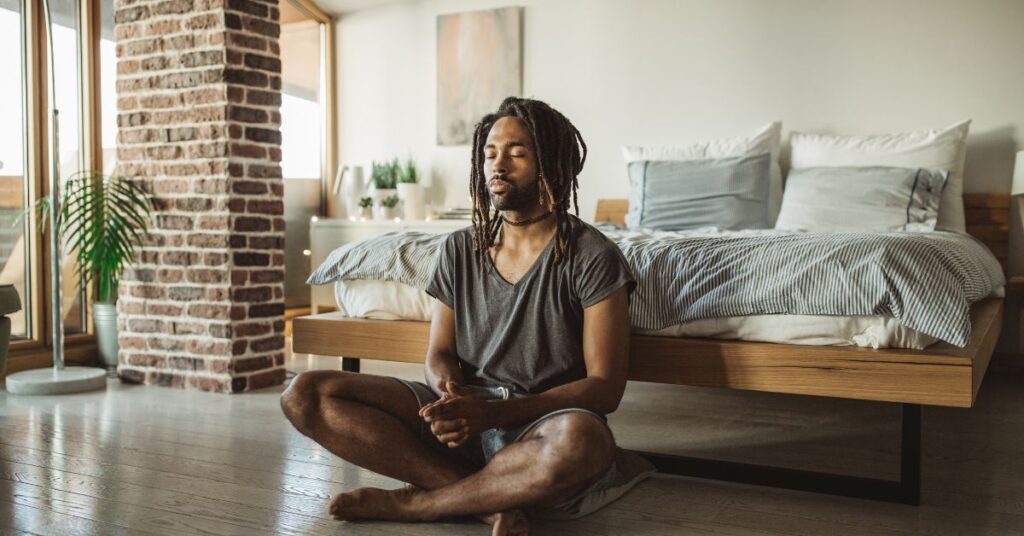
Step 1: Wake Up Gently (2 minutes)
Forget jarring alarm sounds. Your morning meditation routine starts the moment you wake up.
What to do:
•Set a gentle, gradual alarm (most phones have “sunrise” alarm options)
•When it goes off, take three deep breaths before moving
•Resist the urge to grab your phone
•Sit up slowly and place your feet on the floor
Why it matters:
How you wake up affects your nervous system for hours. A gentle wake-up prepares your body and mind for meditation instead of activating stress responses.
I use a sunrise alarm that gradually brightens over 20 minutes. Game-changer.
Sunrise Alarm Clock – Gentle wake-up light
Step 2: Hydrate First (1 minute)
Before your morning meditation routine, drink water. Your body is dehydrated after 6-8 hours of sleep, and dehydration affects focus and mood.
What to do:
•Keep water by your bed or go to the kitchen
•Drink 8-16 ounces of room temperature water
•Take your time—this isn’t a race
Why it matters:
Even mild dehydration impairs cognitive function. You want your brain working optimally for meditation. Plus, the act of drinking water is a mindful transition from sleep to wakefulness.
Step 3: Create Your Space (1 minute)
Move to your meditation spot and set up.
What to do:
•Sit on your cushion, bench, or chair
•Adjust your position until you’re comfortable
•Set your timer for your chosen duration (start with 10 minutes)
•Light a candle if that’s part of your ritual
Why it matters:
This physical transition signals to your brain that you’re shifting into meditation mode. The consistency of the same spot, same setup, same ritual strengthens the habit.
Step 4: Set Your Intention (30 seconds)
Before diving into meditation, briefly set an intention for your morning meditation routine.
What to do:
•Take a moment to remember why you’re doing this
•Choose a simple intention: “I’m here to find calm” or “I’m practicing presence”
•You can also dedicate your practice to someone or something meaningful
Why it matters:
Intention creates focus. Without it, your mind is more likely to wander into planning mode or to-do lists. With it, you have an anchor to return to.
My intention is usually simple: “I’m here to start my day with calm.” That’s it.
Step 5: Begin with Breath (1-2 minutes)
Every morning meditation routine should start with conscious breathing to transition from thinking mode to present mode.
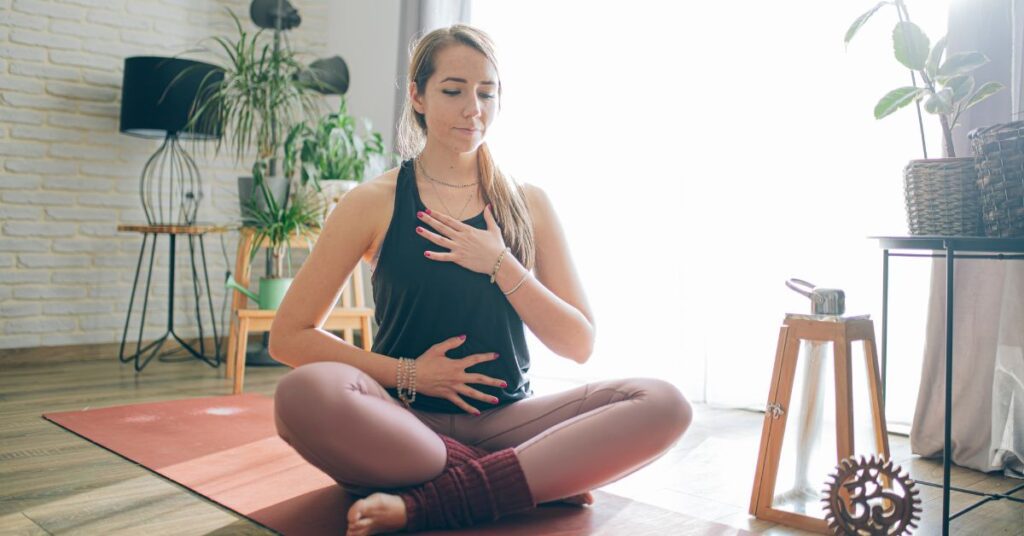
What to do:
•Close your eyes or soften your gaze downward
•Take 5 slow, deep breaths:
•Inhale for 4 counts
•Hold for 4 counts
•Exhale for 6 counts
•Pause for 2 counts
•Notice your body settling with each breath
Why it matters:
Deep breathing activates your parasympathetic nervous system (rest and digest mode) and gives your mind something specific to focus on. It’s the bridge between your busy mind and meditative state.
Step 6: Practice Your Chosen Technique (10-15 minutes)
This is the core of your morning meditation routine. Choose one technique and stick with it for at least a week before switching.
Breath Awareness Meditation:
•Focus on the natural rhythm of your breath
•Notice the sensation of air entering and leaving your nose
•When your mind wanders (it will), gently return to the breath
•No need to control your breathing—just observe it
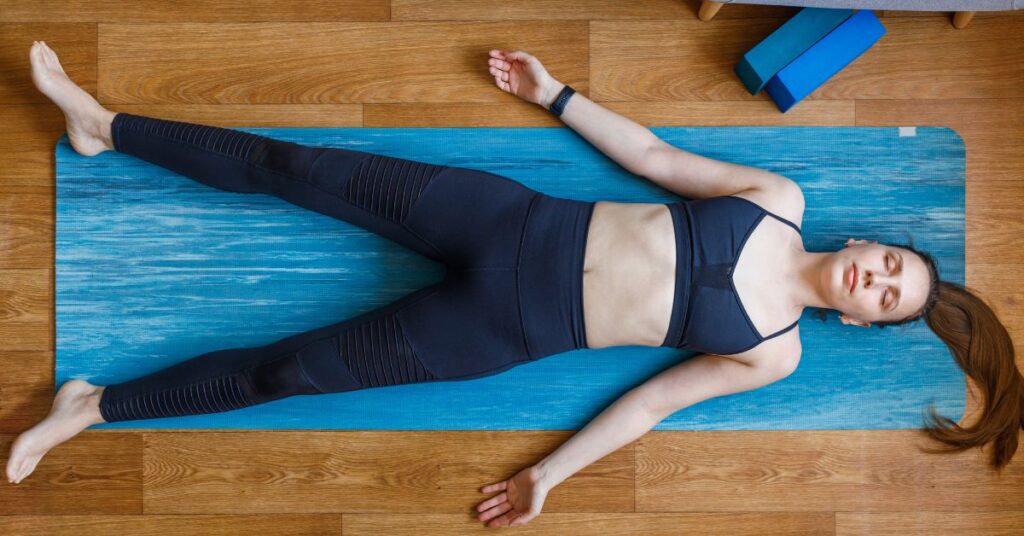
Body Scan Meditation:
•Bring attention to different parts of your body sequentially
•Start at your toes and move up to your head
•Notice sensations without judgment
•This is especially good if you tend to live in your head
For a detailed body scan script, see our body scan meditation guide.
Mantra Meditation:
•Silently repeat a word or phrase
•Common choices: “peace,” “calm,” “I am here,” or “so hum”
•When your mind wanders, return to your mantra
•The repetition gives your mind something to anchor to
Loving-Kindness Meditation:
•Silently repeat phrases of goodwill
•Start with yourself: “May I be happy, may I be healthy, may I be at peace”
•Extend to others: loved ones, neutral people, even difficult people
•This is powerful if you tend toward self-criticism
Guided Meditation:
•Use an app or recordingç
•Follow the voice instructions
•Good for beginners who find silence challenging
My recommendation: Start with breath awareness. It’s simple, always available, and builds the foundation for all other techniques.
Step 7: Close Mindfully (1-2 minutes)
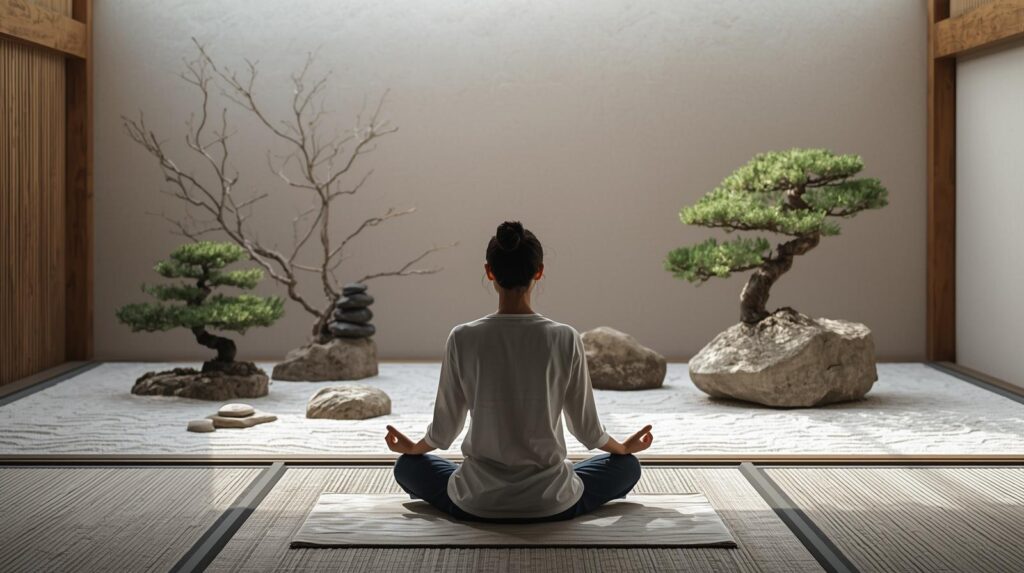
How you end your morning meditation routine matters as much as how you begin it.
What to do:
•Deepen your breath slightly
•Wiggle your fingers and toes
•Slowly open your eyes
•Take a moment to notice how you feel
•Express gratitude (even just “thank you” to yourself)
•Stand up slowly and mindfully
Why it matters:
Jumping straight from meditation to checking your phone or rushing into your day wastes the calm you just cultivated. A mindful transition helps you carry that peace into your morning.
I sit for about 30 seconds after my timer goes off, then blow out my candle as a closing ritual. Then—and only then—do I check my phone.
Common Challenges and Solutions
Let’s talk about what actually happens when you try to build a morning meditation routine. Spoiler: it’s not always smooth.
“I Can’t Wake Up Early Enough”
You don’t need to wake up at 5am to meditate. You just need to wake up 15-20 minutes earlier than you currently do.
Solutions:
•Go to bed 20 minutes earlier
•Prepare everything the night before
•Start with just 5 minutes if 15 feels impossible
•Meditate before breakfast instead of before anything else
I’m not a morning person. I wake up at 7am, not 5am. My morning meditation routine happens at 7:15am. That’s fine.
“My Mind Won’t Stop Thinking”
Good news: that’s completely normal. Meditation isn’t about stopping thoughts—it’s about changing your relationship with them.
Solutions:
•Expect your mind to wander (it’s not failing, it’s normal)
•Practice returning to your focus point without judgment
•Use a technique with more structure (like counting breaths or body scan)
•Remember that noticing you’re thinking IS the meditation
The goal isn’t a blank mind. The goal is noticing when your mind wanders and gently bringing it back. That’s the practice.
“I Fall Asleep”
If you’re falling asleep during your morning meditation routine, you’re probably either sleep-deprived or sitting in a position that’s too comfortable.
Solutions:
•Get more sleep (seriously—meditation isn’t a substitute for rest)
•Sit upright instead of leaning back
•Open your eyes slightly and gaze softly downward
•Splash cold water on your face before meditating
•Try a more active technique like walking meditation
“I Don’t Have Time”
I hear this a lot. Here’s the truth: you have time for what you prioritize. You probably spend 15 minutes scrolling social media before you even get out of bed.
Solutions:
•Start with 5 minutes (everyone has 5 minutes)
•Wake up earlier (go to bed earlier to compensate)
•Identify what you’re currently doing that matters less
•Remember that meditation actually saves time by improving focus
Your morning meditation routine doesn’t have to be long to be effective. Five minutes of consistent practice beats 30 minutes once a week.
“I Keep Forgetting”
Building a new habit is hard. Your brain defaults to existing patterns.
Solutions:
•Put your meditation cushion somewhere you’ll trip over it
•Set a phone reminder the night before
•Stack the habit: “After I drink water, I meditate”
•Track your practice (even a simple checkmark on a calendar)
•Join a morning meditation group for accountability
I keep my cushion in the middle of my bedroom floor. I literally can’t ignore it when I wake up.
“I Feel Restless and Uncomfortable”
Physical discomfort is one of the biggest obstacles to a consistent morning meditation routine.
Solutions:
•Adjust your sitting position (try a chair if floor sitting hurts)
•Use more cushions or props
•Start with shorter sessions and gradually increase
•Try gentle stretching before meditating
•Accept some discomfort as part of the practice (but not pain)
Meditation Chair – Back support for comfort
For more on grounding practices that can help with restlessness, see our guide on how to ground yourself spiritually.

Best Meditation Techniques for Morning
Not all meditation techniques work equally well for morning. Here’s what I’ve found most effective for a morning meditation routine.
Breath-Focused Meditation
Why it works in the morning:
Your breath is always with you, requires no props, and naturally calms your nervous system. Perfect for when you’re still waking up.
How to do it:
•Focus on the sensation of breath at your nostrils
•Notice the coolness of the inhale, warmth of the exhale
•Count breaths if it helps (1-10, then start over)
•Return to the breath whenever you notice you’ve drifted
This is my go-to for my morning meditation routine. Simple, effective, always available.
Body Scan
Why it works in the morning:
It helps you wake up and inhabit your body after sleep. Great if you tend to live in your head.
How to do it:
•Start at your toes, notice sensations
•Slowly move attention up through your body
•Spend 30-60 seconds on each area
•Notice without trying to change anything
Gratitude Meditation
Why it works in the morning:
Starting your day by acknowledging what’s good in your life shifts your mindset from scarcity to abundance.
How to do it:
•Bring to mind 3-5 things you’re grateful for
•Really feel the gratitude, don’t just list things
•They can be big (health, family) or small (warm coffee, your favorite mug)
•Let the feeling of gratitude fill your chest
Visualization
Why it works in the morning:
It helps you set intentions for the day and prime your brain for success.
How to do it:
•Visualize your day unfolding positively
•See yourself handling challenges with calm
•Imagine interactions going well
•Feel the emotions of a successful day
Walking Meditation
Why it works in the morning:
If sitting still feels impossible, walking meditation combines movement with mindfulness.
How to do it:
•Walk slowly in a quiet space (even back and forth in a hallway)
•Focus on the sensation of your feet touching the ground
•Notice the movement of your body
•Keep your gaze soft and downward
For more meditation techniques, explore our breathing meditation techniques guide.

Building the Habit: How to Make Your Morning Meditation Routine Stick
Here’s the hard truth: most people who try meditation quit within a week. Not because meditation doesn’t work, but because they haven’t built the systems to make it stick.
Start Ridiculously Small
Don’t commit to 30 minutes of meditation when you’re starting out. Commit to 5 minutes. Or even 2 minutes.
Why? Because the goal in the beginning isn’t perfect meditation—it’s showing up consistently. Once the habit of sitting down is established, you can gradually increase the time.
I started with 5 minutes. After two weeks, I increased to 10. After a month, 15. Now I do 20 minutes most mornings, but I still do 5-minute sessions when life is chaotic.
Anchor to an Existing Habit
Habit stacking is one of the most effective behavior change strategies. Attach your new morning meditation routine to something you already do every single day.
Examples:
•”After I drink my morning water, I meditate”
•”After I use the bathroom, I meditate”
•”After I feed the cat, I meditate”
•”Before I make coffee, I meditate”
The existing habit becomes the trigger for your new habit.
Prepare the Night Before
Reduce morning friction by setting up your meditation space before bed:
•Put your cushion in position
•Set out your blanket
•Place your water glass by your bed
•Charge your timer or phone
When you wake up, everything is ready. No decisions, no setup, no excuses.
Track Your Practice
There’s something satisfying about marking an X on a calendar. It creates momentum—you don’t want to break the chain.
Tracking options:
•Paper calendar with checkmarks
•Habit tracking app
•Journal entry noting how you feel after
•Meditation app that tracks streaks
I use a simple paper calendar on my wall. Every morning after meditation, I mark an X. Seeing a month of X’s motivates me not to break the streak.
Find Accountability
Tell someone about your morning meditation routine. Better yet, find a meditation buddy.
Accountability ideas:
•Text a friend each morning after you meditate
•Join an online meditation group
•Use a meditation app with social features
•Meditate with a partner or roommate
My partner and I meditate at the same time each morning (in different rooms). Knowing he’s also sitting makes it easier to show up.
Be Flexible, Not Perfect
Some mornings you’ll meditate for 20 minutes. Some mornings you’ll manage 3 minutes before your kid needs you. Both count.
The goal is consistency, not perfection. A short morning meditation routine is infinitely better than no meditation routine.
I’ve meditated in airport bathrooms, parked cars, and once in a closet at a family gathering. It doesn’t have to be perfect to be valuable.
Notice the Benefits
Pay attention to how you feel on days you meditate versus days you don’t. The benefits of your morning meditation routine will motivate you to continue.
What to notice:
•How you respond to stress
•Your mood throughout the day
•Your patience with others
•Your ability to focus
•Your sleep quality
Keep a simple log: “Meditated today. Felt calmer during afternoon meeting.” These observations reinforce the habit.
Tools and Resources for Your Morning Meditation Routine
You don’t need much to meditate, but a few tools can make your morning meditation routine easier and more enjoyable.
Meditation Apps
Insight Timer (Free)
•Largest library of free guided meditations
•Timer with interval bells
•Community features
•Great for morning meditation routine variety
Headspace (Paid)
•Structured programs for beginners
•Morning meditation packs specifically designed for starting your day
•Sleep and movement content too
Calm (Paid)
•Daily Calm meditation (10 minutes, perfect for morning)
•Sleep stories and music
•Beautiful interface
Meditation App Subscription – Access to premium features
Physical Tools
Meditation Cushions:
A good cushion makes a huge difference in comfort and sustainability of your practice.
Zafu Meditation Cushion – Traditional round cushion
Meditation Bench – Alternative to cushions
Timers:
Using a dedicated timer means you don’t need your phone nearby.
Meditation Timer – Simple, distraction-free
- Adjustable visual timer, 1-99 minutes preset:The cube’s timer provides quick selection of presets (1-99 minutes) for Pom…
- Silent and distracted operations:A completely silent timer with a soft light effect that visually tracks time – no ticki…
- Rechargeable and long-lasting battery:USB-C is rechargeable and can last up to 10 hours of continuous use without the ne…
Comfort Items:
Small additions that make your morning meditation routine more inviting.
Meditation Blanket – Stay warm
- Premium Cotton Iyengar Yoga Blanket – Soft, breathable, and eco-friendly, perfect for enhancing your iyengar yoga practi…
- Ideal Size – Generously sized at 80×60 inches, this cushion provides full coverage and comfort, whether placed under you…
- Highly Versatile – Ideal as a yoga blanket for restorative yoga, Pilates, or the beach. Use it as a blanket, towel, or f…
Eye Pillow – Block light, add gentle pressure
- No light Leakage: With the heightened 22 mm adaptive hollow nose bridge, LitBear sleep mask fully fits all nose shapes, …
- Completely Block Light for Side Sleeper: New design of 15° tilt angle ultra-thin sides of the eye mask for sleeping whic…
- Blinking Freely: Deep 12 mm 3D contoured cup eye sockets leave larger space for blinking, maintaining your beautiful eye…
Essential Oil Diffuser – Create calming atmosphere

- Reminder: To ensure proper mist function, please do not refill under tap (use measuring cup only to prevent circuit dama…
- Optional Runtime & Mist Mode: This aroma diffuser comes with 4 timer settings (Continuous Mode/1H/3H/6H) and 2 mist leve…
- Large Capacity & Low Noise Operation: Having a high volume of 400ml large water tank, the diffuser frees you to add wate…
Books and Courses
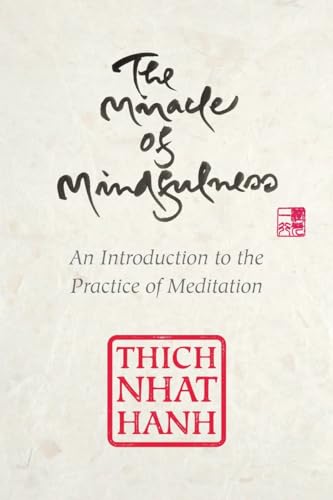
“The Miracle of Mindfulness” by Thich Nhat Hanh
Simple, practical, beautiful. Great for understanding the why behind your morning meditation routine.
“10% Happier” by Dan Harris
A skeptic’s journey into meditation. Reassuring if you’re not naturally “woo-woo.”

“Real Happiness” by Sharon Salzberg
28-day meditation program that’s perfect for building your morning meditation routine.

For more resources on meditation, check out our guided meditation for beginners guide.
Conclusion: Your Morning Meditation Routine Starts Tomorrow
Here’s what I want you to remember: your morning meditation routine doesn’t have to be perfect. It doesn’t have to be long. It doesn’t have to look like anyone else’s practice.
It just has to be yours, and it just has to happen.
Tomorrow morning, before you check your phone, before you start planning your day, before you dive into demands and distractions—give yourself 5 minutes. Just 5 minutes to sit, breathe, and be present.
That’s it. That’s your morning meditation routine.
You don’t need special equipment. You don’t need to be “good at meditation” (that’s not a thing anyway). You don’t need to clear your mind or achieve some transcendent state.
You just need to show up, sit down, and breathe.
The seven steps I’ve shared will guide you through those first minutes and help you build a sustainable practice. But honestly? If you just sit down and focus on your breath for 5 minutes tomorrow morning, you’ve succeeded.
Your morning meditation routine will evolve. Some days will feel amazing. Some days your mind will be a chaotic mess. Both are fine. Both are part of the practice.
The magic isn’t in any single meditation session. The magic is in showing up day after day, building a relationship with yourself, and starting each day from a place of intention instead of reaction.
So set your alarm 15 minutes earlier. Put your cushion where you’ll see it. And tomorrow morning, give yourself the gift of a few minutes of peace before the world makes its demands.
Your morning meditation routine starts tomorrow. I’ll be sitting with you in spirit.
Frequently Asked Questions
How long should my morning meditation routine be?
Start with 5-10 minutes if you’re a beginner. This is enough to experience benefits without feeling overwhelming. As the habit solidifies, gradually increase to 15-20 minutes. Research shows benefits from as little as 5 minutes daily, though 15-20 minutes allows deeper practice. The most important factor is consistency—5 minutes every day beats 30 minutes once a week.
What time should I wake up to meditate?
You don’t need to wake up at a specific time—just 15-20 minutes earlier than you currently do. If you normally wake at 7am, try 6:45am. The best time for your morning meditation routine is whenever works consistently for your schedule. Some people meditate at 5am, others at 8am. Consistency matters more than the specific hour.
Can I meditate lying down in bed?
While possible, I don’t recommend it for your morning meditation routine. Lying down strongly associates with sleep, making it very easy to fall back asleep or drift into a drowsy state rather than alert awareness. Sit upright on a cushion, bench, or chair. If physical limitations require lying down, try lying on the floor rather than in bed to create some distinction.
Should I meditate before or after breakfast?
Most people find meditating before breakfast works best for their morning meditation routine. Your stomach isn’t full and uncomfortable, you haven’t activated your digestive system, and you haven’t yet consumed caffeine (which can make sitting still harder). However, if you wake up ravenously hungry, have a light snack first. The key is finding what helps you show up consistently.
What if I miss a day of my morning meditation routine?
Don’t let one missed day derail your entire practice. Life happens—you oversleep, you’re traveling, you’re sick. Simply return to your morning meditation routine the next day without guilt or self-judgment. The goal is long-term consistency, not perfection. If you miss several days, start again with a shorter session (even 3 minutes) to rebuild momentum rather than trying to jump back to your full practice.
Related Articles
Deepen your meditation practice with these complementary guides:
•Breathing Meditation Techniques: Complete Guide – Master breathwork for meditation
•Body Scan Meditation Script: Complete Guide – Detailed body scan practice
•How to Ground Yourself Spiritually: 8 Techniques – Complement meditation with grounding