

Embracing a minimalist lifestyle guide can liberate you from the hidden prison of possessions that silently drain your mental energy, financial resources, and precious time. Every unnecessary object in your home charges an invisible rent—not in money, but in sanity, focus, and life force. The minimalist lifestyle guide principles explored here offer a radical alternative to the consumer culture that promises happiness through accumulation while delivering stress, debt, and spiritual emptiness.
Modern society has conditioned us to believe that more equals better, that possessions define worth, and that the next purchase will finally fill the void within. Yet research consistently shows the opposite: a minimalist lifestyle guide approach leads to increased happiness, reduced anxiety, improved focus, and greater life satisfaction. A 2023 study published in the Journal of Consumer Research found that 85% of minimalism studies showed positive associations with wellbeing, while participants reported significant improvements in mental health, financial stability, and life purpose.
The minimalist lifestyle guide isn’t about living in deprivation or making vows of poverty. It’s about intentional living—carefully choosing what deserves space in your life and ruthlessly eliminating what doesn’t serve your highest good. This approach creates freedom: freedom from debt, freedom from clutter, freedom from the exhausting cycle of acquisition and maintenance, and freedom to focus on what truly matters.
This comprehensive minimalist lifestyle guide presents seven transformative rules that address not just physical possessions but also relationships, time management, and mental clarity. These principles, when applied consistently, create a cascade of positive changes that extend far beyond a tidy home to encompass every aspect of your existence.
Table of Contents

Understanding the Minimalist Lifestyle Guide Philosophy
The Psychology Behind Minimalist Living
The minimalist lifestyle guide philosophy recognizes that our relationship with possessions reflects deeper psychological patterns and cultural conditioning. Consumer culture deliberately creates dissatisfaction, promising that the next purchase will provide the happiness, status, or identity we seek. This creates what psychologists call the “hedonic treadmill”—a cycle where each acquisition provides temporary pleasure followed by a return to baseline happiness levels, driving the need for more purchases.
Dr. Tim Kasser’s research on materialism and wellbeing demonstrates that people who prioritize material possessions report lower life satisfaction, increased anxiety, and weaker social connections. Conversely, those who embrace minimalist lifestyle guide principles show improved mental health, stronger relationships, and greater sense of purpose. The minimalist lifestyle guide breaks this cycle by shifting focus from external acquisition to internal cultivation.
Marie Kondo, author of “The Life-Changing Magic of Tidying Up,” revolutionized how millions think about possessions: “The question of what you want to own is actually the question of how you want to live your life.” This insight captures the essence of the minimalist lifestyle guide—every object in your space should support your ideal life rather than distract from it.
Joshua Fields Millburn and Ryan Nicodemus, known as The Minimalists, define minimalism as “a tool to rid yourself of life’s excess in favor of focusing on what’s important—so you can find happiness, fulfillment, and freedom.” Their minimalist lifestyle guide approach emphasizes that minimalism isn’t about deprivation but about clarity—removing obstacles to living your best life.
The Science of Clutter and Mental Health
Neuroscience research reveals why the minimalist lifestyle guide approach improves mental wellbeing. Visual clutter increases cortisol (stress hormone) production, impairs focus, and depletes cognitive resources. UCLA’s Center on Everyday Lives and Families found that women living in cluttered homes had higher cortisol levels throughout the day, while those in organized spaces showed normal cortisol patterns.
The minimalist lifestyle guide addresses this by creating environments that support rather than stress the nervous system. When your space contains only items you love and use, your brain can relax instead of constantly processing visual noise. This mental clarity extends beyond the home—people following minimalist lifestyle guide principles report improved decision-making, increased creativity, and better emotional regulation.
Dr. Sherrie Bourg Carter, psychologist and author, explains: “Clutter bombards our minds with excessive stimuli, causes our senses to work overtime on stimuli that aren’t necessary or important, and inhibits creativity and productivity.” The minimalist lifestyle guide eliminates this cognitive burden, freeing mental resources for meaningful pursuits.
Rule 1: Quality Over Quantity – The Minimalist Lifestyle Guide Foundation
Redefining Value in a Minimalist Lifestyle Guide
The first principle of any effective minimalist lifestyle guide challenges the cultural equation of more with better. True minimalism isn’t about owning the fewest possible items—it’s about owning the best items for your specific needs and values. This shift from quantity to quality transforms both your relationship with possessions and your overall life satisfaction.
Consider the difference between owning ten cheap knives that dull quickly, break easily, and frustrate you daily versus owning one high-quality chef’s knife that performs beautifully for decades. The minimalist lifestyle guide approach chooses the single excellent knife, recognizing that quality items provide better functionality, greater satisfaction, and ultimately better value despite higher upfront costs.
This principle extends beyond kitchen tools to every category of possession. A minimalist lifestyle guide wardrobe might contain 30 carefully chosen pieces that mix and match beautifully rather than 100 items you rarely wear. A minimalist lifestyle guide approach to technology might mean owning one excellent laptop that handles all your needs rather than multiple devices that each perform poorly.
William Morris, the 19th-century designer and philosopher, captured this principle perfectly: “Have nothing in your house that you do not know to be useful, or believe to be beautiful.” This quote embodies the minimalist lifestyle guide philosophy—every possession should earn its place through function, beauty, or ideally both.
The Hidden Costs of Cheap Possessions
The minimalist lifestyle guide reveals the true expense of choosing cheap over quality. Low-quality items create multiple hidden costs that extend far beyond their purchase price:
Time costs: Cheap items require frequent replacement, meaning repeated shopping, research, and purchase decisions. They often malfunction, requiring troubleshooting, repair attempts, or early replacement. A minimalist lifestyle guide approach calculates these time investments and chooses quality items that minimize ongoing time expenditure.
Energy costs: Frustrating possessions drain emotional energy. The shirt that shrinks, the tool that breaks mid-project, the furniture that wobbles—these items create daily micro-stresses that accumulate into significant mental burden. The minimalist lifestyle guide prioritizes items that enhance rather than complicate daily life.
Space costs: Cheap items often require backups or frequent replacements, multiplying storage needs. The minimalist lifestyle guide approach of buying quality once eliminates the need for spare items and reduces overall storage requirements.
Environmental costs: The minimalist lifestyle guide recognizes that cheap items contribute to environmental degradation through rapid turnover, poor manufacturing practices, and increased waste. Quality items last longer, reducing environmental impact while aligning with sustainable living values.
Practical Application of Quality-First Thinking
Implementing this minimalist lifestyle guide principle requires shifting from price-focused to value-focused decision making:
Research before purchasing: Before buying anything, research the best options in your price range. Read reviews, compare features, and understand what constitutes quality in that category. The minimalist lifestyle guide approach invests time upfront to avoid regret later.
Calculate cost per use: Divide the item’s price by how often you’ll use it. A $200 jacket worn 100 times costs $2 per wear, while a $50 jacket worn 10 times costs $5 per wear. The minimalist lifestyle guide chooses based on long-term value rather than initial price.
Wait for quality: If you can’t afford the quality option now, the minimalist lifestyle guide suggests waiting rather than buying inferior alternatives. This patience prevents accumulating items you’ll eventually replace anyway.
Buy once philosophy: Embrace the minimalist lifestyle guide motto “buy once, cry once”—the pain of paying more upfront is temporary, while the satisfaction of owning quality items lasts for years.

Rule 2: The “Yes, Obviously!” Filter – Eliminating Decision Fatigue
The Power of Intuitive Decision Making in Minimalist Lifestyle Guide
The second rule of this minimalist lifestyle guide addresses one of modern life’s greatest energy drains: decision fatigue. Every day, you make thousands of decisions, from what to wear to what to eat to what to buy. The “Yes, Obviously!” filter dramatically simplifies this process by eliminating the gray area of “maybe” that consumes mental energy without providing clarity.
This minimalist lifestyle guide principle recognizes that your intuition often knows the right answer immediately, but cultural conditioning teaches you to override this wisdom with rational analysis. When you see something and think “Yes, obviously I need this!” your intuition has quickly assessed fit, need, and value. When you think “Hmm, maybe…” your intuition is warning you that this item doesn’t clearly serve your life.
Steve Jobs exemplified this minimalist lifestyle guide approach in both personal and professional life: “Deciding what not to do is as important as deciding what to do.” His famous uniform of black turtlenecks eliminated daily clothing decisions, freeing mental energy for more important choices. This minimalist lifestyle guide strategy can be applied to every area of life.
The “Yes, Obviously!” filter works because it honors your subconscious processing power. Your brain rapidly evaluates multiple factors—need, quality, fit with existing possessions, alignment with values—and delivers a gut reaction. The minimalist lifestyle guide trusts this process rather than second-guessing it with elaborate justifications.
Recognizing and Avoiding “Maybe” Traps
The minimalist lifestyle guide identifies “maybe” as the enemy of clear decision-making. “Maybe” purchases create clutter, regret, and decision fatigue. Common “maybe” thoughts that signal you should walk away include:
“It’s a good deal”: Price alone doesn’t justify purchase. The minimalist lifestyle guide asks whether you would buy this item at full price. If not, the discount isn’t creating value—it’s creating clutter.
“I might need this someday”: The minimalist lifestyle guide recognizes that “someday” rarely comes, and when it does, you can usually borrow, rent, or buy the item then. The cost of storage and mental burden usually exceeds the cost of future acquisition.
“It’s almost perfect”: “Almost” means “not quite,” and the minimalist lifestyle guide doesn’t settle for “not quite.” If an item requires mental gymnastics to justify, it’s not right for you.
“I could make it work”: The minimalist lifestyle guide chooses items that work naturally without forcing. If you need to change your lifestyle to accommodate a possession, the possession is controlling you rather than serving you.
Implementing the Filter in Daily Life
The minimalist lifestyle guide suggests practicing the “Yes, Obviously!” filter in low-stakes situations first:
Clothing: When trying on clothes, notice your immediate reaction. If you don’t feel excited and confident, don’t buy it. The minimalist lifestyle guide wardrobe contains only pieces that make you feel great.
Food: At restaurants, notice which menu item immediately appeals to you. Often, your first instinct leads to the most satisfying choice. The minimalist lifestyle guide applies this same clarity to all decisions.
Activities: When invited to events, notice your gut reaction. Excitement means yes; obligation or indifference means no. The minimalist lifestyle guide protects your time and energy for activities that genuinely appeal to you.
Relationships: The minimalist lifestyle guide extends this filter to social connections. People who energize you get a “Yes, obviously!” response, while those who drain you trigger “maybe” feelings. Trust these instincts.

Rule 3: Convert Price to Life Hours – The True Cost of Minimalist Lifestyle Guide
Understanding the Life-Hour Currency
The third principle of this minimalist lifestyle guide revolutionizes how you think about money by converting prices into the most precious currency: your life hours. This perspective shift reveals the true cost of purchases and often leads to dramatically different spending decisions.
The calculation is simple but profound: divide your after-tax hourly wage into any purchase price to determine how many hours of your life that item costs. A $1,000 purchase for someone earning $25/hour after taxes costs 40 hours—an entire work week. The minimalist lifestyle guide asks: is that item worth a week of your life?
This minimalist lifestyle guide approach reveals hidden costs that traditional pricing obscures. That expensive coffee habit costing $5 daily equals 12 minutes of work time for a $25/hour earner—perhaps acceptable. But the $50,000 car equals 2,000 hours, or an entire year of full-time work. The minimalist lifestyle guide helps you see whether that transportation upgrade justifies a year of your life.
Vicki Robin and Joe Dominguez, authors of “Your Money or Your Life,” pioneered this minimalist lifestyle guide concept: “Money is something we choose to trade our life energy for… Are you receiving fulfillment, satisfaction and value in proportion to life energy spent?” This question forms the foundation of conscious spending.
The Psychology of Time-Based Pricing
The minimalist lifestyle guide recognizes that thinking in life hours rather than dollars creates emotional clarity about spending decisions. Money feels abstract—numbers on a screen or pieces of paper. Time feels visceral and personal—hours you’ll never get back, moments away from family, energy spent on work rather than passion projects.
This minimalist lifestyle guide perspective often reveals that expensive purchases provide poor value per life hour while seemingly modest purchases offer excellent value. A $500 course that transforms your career might cost 20 life hours but save thousands of future hours through increased earning potential or job satisfaction. Meanwhile, a $500 gadget that sits unused represents 20 hours of life wasted.
Henry David Thoreau captured this minimalist lifestyle guide wisdom: “The price of anything is the amount of life you exchange for it.” This perspective predates modern minimalism by over a century but remains central to conscious living.
Practical Implementation of Life-Hour Thinking
The minimalist lifestyle guide suggests several strategies for implementing time-based pricing:
Calculate your true hourly wage: Include all work-related time—commuting, preparation, overtime, work-related stress recovery. Subtract all work-related expenses—transportation, clothing, meals, childcare. This reveals your actual hourly life exchange rate.
Create spending categories: The minimalist lifestyle guide might categorize purchases as:
•Essential (housing, food, healthcare): Accept necessary life-hour costs
•Investment (education, tools, health): Purchases that save future life hours
•Enjoyment (experiences, hobbies): Conscious trades for happiness
•Status (luxury brands, image items): Often poor life-hour value
Use the 24-hour rule: Before major purchases, wait 24 hours while contemplating the life-hour cost. The minimalist lifestyle guide finds that many “must-have” items lose appeal when viewed through this lens.
Track life-hour spending: The minimalist lifestyle guide suggests occasionally calculating the life-hour cost of your purchases to maintain awareness of these exchanges.
Examples of Life-Hour Analysis
Consider these minimalist lifestyle guide examples of life-hour thinking:
Transportation: A $60,000 luxury car versus a $20,000 reliable car represents 1,600 life hours (40 work weeks) for someone earning $25/hour. The minimalist lifestyle guide asks whether luxury features justify nearly a year of life.
Housing: Upgrading from a $1,500 to $2,500 monthly rent costs an extra $12,000 annually—480 life hours for a $25/hour earner. The minimalist lifestyle guide evaluates whether the upgrade provides 480 hours worth of additional value.
Dining: Eating out versus cooking might cost an extra $20 daily—48 minutes of life hours. The minimalist lifestyle guide considers whether the convenience justifies this daily time trade.
Technology: The latest smartphone upgrade costing $1,000 represents 40 life hours. The minimalist lifestyle guide asks whether new features provide 40 hours worth of improved functionality.

Rule 4: The Quality Investment Strategy
Beyond the Cheap Trap in Minimalist Lifestyle Guide
The fourth rule of this minimalist lifestyle guide expands on quality thinking by addressing the psychology and economics of investment purchasing. This principle recognizes that buying cheap items often costs more in the long run through replacement costs, frustration, and opportunity costs of dealing with inferior products.
The minimalist lifestyle guide reveals that “cheap” and “economical” are often opposites. Cheap items provide poor value because they require frequent replacement, perform inadequately, and create ongoing frustration. Economical items provide excellent value through durability, superior performance, and long-term satisfaction.
This minimalist lifestyle guide approach requires shifting from short-term to long-term thinking. The pain of paying more upfront is temporary and finite. The satisfaction of owning quality items compounds over time, while the frustration of cheap items accumulates daily.
Sam Vimes, Terry Pratchett’s fictional character, illustrated this principle perfectly: “A man who could afford fifty dollars had a pair of boots that’d still be keeping his feet dry in ten years’ time, while the poor man who could only afford cheap boots would have spent a hundred dollars on boots in the same time and would still have wet feet.” This “boots theory” captures the minimalist lifestyle guide understanding that quality is often the most economical choice.
The Compound Benefits of Quality
The minimalist lifestyle guide recognizes that quality items provide compound benefits that extend far beyond their primary function:
Reduced decision fatigue: Quality items work reliably, eliminating the mental energy spent dealing with malfunctions, replacements, and workarounds. The minimalist lifestyle guide values this cognitive freedom.
Enhanced daily experience: Using well-designed, beautiful items improves daily life quality. The minimalist lifestyle guide recognizes that you interact with your possessions constantly—they should enhance rather than detract from your experience.
Reduced environmental impact: Quality items last longer, reducing waste and resource consumption. The minimalist lifestyle guide often aligns with environmental values through this quality-first approach.
Better resale value: Quality items retain value better than cheap alternatives. The minimalist lifestyle guide recognizes that quality purchases are often partially recoverable investments.
Professional advantages: Quality tools, clothing, and equipment can enhance professional performance and image. The minimalist lifestyle guide sees these as investments in career development.
Strategic Quality Investment
The minimalist lifestyle guide suggests a strategic approach to quality investment:
Prioritize high-use items: Invest in quality for items you use daily—mattress, shoes, kitchen knives, work tools. The minimalist lifestyle guide recognizes that frequent-use items provide the best return on quality investment.
Research thoroughly: Before major quality purchases, research extensively. Read professional reviews, user feedback, and long-term durability reports. The minimalist lifestyle guide invests time upfront to avoid regret later.
Buy the best you can afford: The minimalist lifestyle guide doesn’t demand perfection—it demands the best option within your budget. Sometimes this means waiting to afford better quality.
Consider total cost of ownership: Include maintenance, replacement, and opportunity costs in your calculations. The minimalist lifestyle guide evaluates the complete financial picture.
Learn from others: Seek recommendations from people who use items professionally or extensively. The minimalist lifestyle guide values experienced perspectives over marketing claims.

Rule 5: You Are Not Your Possessions – Identity Beyond Objects
The Minimalist Lifestyle Guide to Authentic Identity
The fifth principle of this minimalist lifestyle guide addresses perhaps the most challenging aspect of consumer culture: the confusion between identity and possessions. Modern marketing deliberately blurs this line, suggesting that you are what you own, wear, drive, or display. The minimalist lifestyle guide rejects this equation and helps you discover who you are beyond your stuff.
This minimalist lifestyle guide principle uses the powerful “fire test” thought experiment: if your home burned down and you lost every possession, who would remain standing on the sidewalk? That person—with your knowledge, experiences, values, relationships, and character—represents your true identity. Everything else is just temporary decoration.
The minimalist lifestyle guide recognizes that using possessions to define identity creates a fragile, expensive, and ultimately unsatisfying sense of self. When your worth depends on what you own, you become enslaved to acquisition and vulnerable to loss. True confidence comes from internal qualities that no fire, theft, or economic downturn can touch.
Tyler Durden in “Fight Club” expressed this minimalist lifestyle guide insight provocatively: “You are not your job, you’re not how much money you have in the bank. You are not the car you drive. You’re not the contents of your wallet.” While extreme, this perspective highlights how thoroughly consumer culture conflates identity with possessions.
The Psychology of Possession-Based Identity
The minimalist lifestyle guide understands why people fall into the possession-identity trap. Consumer culture provides easy, immediate identity markers through brands, styles, and status symbols. It’s simpler to buy an identity than to develop one through experience, learning, and self-reflection.
This minimalist lifestyle guide approach recognizes several psychological drivers behind possession-based identity:
Social signaling: Possessions communicate social status, group membership, and personal values to others. The minimalist lifestyle guide acknowledges this reality while questioning whether external validation justifies the cost.
Insecurity compensation: People often use possessions to compensate for feelings of inadequacy or uncertainty. The minimalist lifestyle guide addresses these feelings directly rather than masking them with purchases.
Cultural conditioning: From childhood, we’re taught that success equals accumulation. The minimalist lifestyle guide requires unlearning these deep cultural messages.
Instant gratification: Buying identity feels faster than building it through experience and growth. The minimalist lifestyle guide chooses the slower but more satisfying path of authentic development.
Building Identity Beyond Possessions
The minimalist lifestyle guide suggests several strategies for developing possession-independent identity:
Inventory your non-material assets: List your skills, knowledge, experiences, relationships, values, and character traits. The minimalist lifestyle guide recognizes these as your true wealth—assets that appreciate rather than depreciate over time.
Invest in experiences over things: Research consistently shows that experiences provide more lasting satisfaction than possessions. The minimalist lifestyle guide prioritizes travel, learning, relationships, and adventures over accumulation.
Develop skills and knowledge: Unlike possessions, skills and knowledge become part of you permanently. The minimalist lifestyle guide sees education, training, and practice as the best investments.
Cultivate relationships: Deep connections with others provide identity, meaning, and support that possessions cannot match. The minimalist lifestyle guide prioritizes people over things.
Practice gratitude for non-material blessings: Health, freedom, opportunities, natural beauty, and human connection represent profound wealth that costs nothing to maintain. The minimalist lifestyle guide regularly acknowledges these gifts.
Define your values: Clear values provide identity and decision-making guidance independent of possessions. The minimalist lifestyle guide helps you identify and live by your core principles.
The Freedom of Possession-Independent Identity
The minimalist lifestyle guide reveals that possession-independent identity provides profound freedom:
Economic freedom: When your identity doesn’t depend on expensive possessions, you need less money and can take more career risks. The minimalist lifestyle guide enables financial flexibility.
Psychological freedom: You become less vulnerable to loss, theft, or economic downturns. The minimalist lifestyle guide provides emotional resilience through internal rather than external security.
Social freedom: You can connect with people across economic levels without feeling inferior or superior based on possessions. The minimalist lifestyle guide enables authentic relationships.
Creative freedom: Without the pressure to maintain a possession-based image, you can explore interests and opportunities without worrying about how they look to others. The minimalist lifestyle guide encourages authentic self-expression.
For more on developing authentic identity through spiritual practices, see our spiritual awakening guide.

Rule 6: JOMO – The Joy of Missing Out
Embracing Selective Ignorance in Your Minimalist Lifestyle Guide
The sixth principle of this minimalist lifestyle guide introduces JOMO (Joy of Missing Out) as the antidote to FOMO (Fear of Missing Out). While modern culture promotes constant connectivity and awareness of every trend, event, and social happening, the minimalist lifestyle guide recognizes that selective ignorance creates peace, focus, and authentic living.
FOMO drives much of modern anxiety and consumption. The fear that others are having better experiences, making more money, or living more exciting lives creates a constant state of dissatisfaction and comparison. The minimalist lifestyle guide counters this with JOMO—finding genuine pleasure in not knowing about every trend, not attending every event, and not participating in every social phenomenon.
This minimalist lifestyle guide principle recognizes that attention is your most valuable resource. Every moment spent consuming irrelevant information, following meaningless trends, or participating in activities that don’t align with your values is a moment stolen from what truly matters to you.
Cal Newport, author of “Digital Minimalism,” captures this minimalist lifestyle guide insight: “A commitment to minimalism in your digital life provides significant benefits. It will return your attention to things you find valuable, improve your ability to think clearly, and reduce the sense of anxious stimulation that characterizes so much of modern life.”
The Hidden Costs of Information Overload
The minimalist lifestyle guide reveals the true costs of trying to stay informed about everything:
Attention fragmentation: Constantly switching between topics, platforms, and information sources prevents deep focus and meaningful engagement. The minimalist lifestyle guide protects your attention for activities that matter.
Comparison trap: Social media and news create artificial standards and comparisons that breed dissatisfaction. The minimalist lifestyle guide reduces exposure to these psychological traps.
Decision fatigue: Too many options and too much information exhaust your decision-making capacity. The minimalist lifestyle guide simplifies choices by eliminating irrelevant options.
Anxiety amplification: Constant exposure to negative news, social drama, and artificial urgency increases stress and anxiety. The minimalist lifestyle guide creates mental peace through selective consumption.
Time displacement: Hours spent consuming irrelevant information could be invested in relationships, skills, health, or meaningful projects. The minimalist lifestyle guide protects your time for what truly matters.
Practical JOMO Implementation
The minimalist lifestyle guide suggests specific strategies for embracing JOMO:
Curate information sources: Choose 3-5 high-quality information sources that align with your values and goals. The minimalist lifestyle guide eliminates random browsing and social media scrolling.
Set information boundaries: Designate specific times for news and social media consumption. The minimalist lifestyle guide might limit this to 30 minutes daily or specific days of the week.
Practice saying “I don’t know”: When people discuss trends, events, or controversies you haven’t followed, simply say “I don’t know about that.” The minimalist lifestyle guide finds freedom in admitting ignorance about irrelevant topics.
Choose depth over breadth: Instead of knowing a little about everything, the minimalist lifestyle guide suggests knowing a lot about a few things that truly interest you.
Embrace boredom: Allow yourself moments of unstimulated time without reaching for your phone or seeking entertainment. The minimalist lifestyle guide recognizes boredom as space for creativity and reflection.
Unsubscribe ruthlessly: Eliminate email subscriptions, social media follows, and information sources that don’t add clear value to your life. The minimalist lifestyle guide maintains a lean information diet.
The Four Most Valuable Assets
The minimalist lifestyle guide identifies four assets more valuable than any possession or information:
Time: Your most finite resource. The minimalist lifestyle guide protects time from activities and information that don’t serve your highest priorities.
Energy: Physical, mental, and emotional energy determine your capacity for meaningful action. The minimalist lifestyle guide conserves energy by eliminating draining activities and relationships.
Money: Financial resources enable choices and security. The minimalist lifestyle guide uses money intentionally rather than reactively.
Freedom: The ability to choose how you spend your time, energy, and money. The minimalist lifestyle guide sees freedom as the ultimate goal of all other optimization.
Recommended JOMO Tools:
•Analog Alarm Clock – Reduce phone dependency by keeping devices out of bedroom

- Crescendo beep alarm – The beep alarm gets more frequent and louder if you do not turn it off
- Integrated foot snooze / light function (Snooze interval is 4 minutes/Light illuminates for 5 seconds once manually acti…
- Quiet sweeping quartz movement
•Physical Books and Journals – Offline alternatives to digital consumption
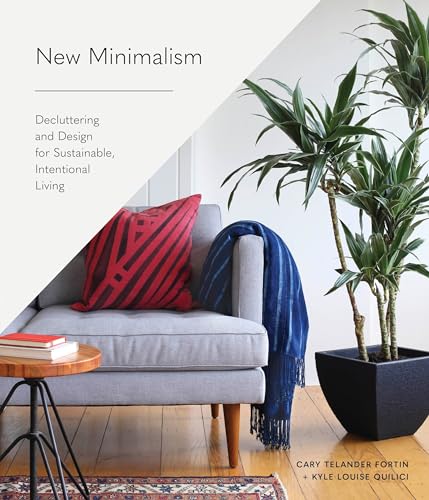
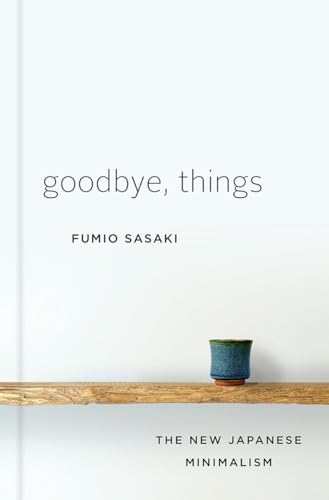
•Meditation Timer – Tools for practicing presence instead of consuming content
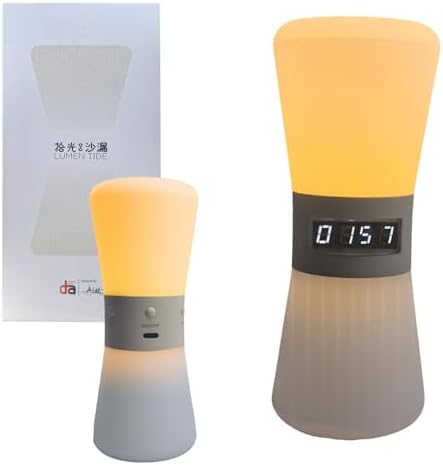
- Adjustable visual timer, 1-99 minutes preset:The cube’s timer provides quick selection of presets (1-99 minutes) for Pom…
- Silent and distracted operations:A completely silent timer with a soft light effect that visually tracks time – no ticki…
- Rechargeable and long-lasting battery:USB-C is rechargeable and can last up to 10 hours of continuous use without the ne…
Rule 7: Curate Your Social Circle – The Minimalist Lifestyle Guide to Relationships
The Most Difficult Minimalist Lifestyle Guide Decision
The seventh and final rule of this minimalist lifestyle guide addresses the most challenging area of minimalism: relationships. Just as you curate your possessions to include only what serves your highest good, the minimalist lifestyle guide suggests curating your social circle to include only people who support your growth, share your values, and contribute positively to your life.
This minimalist lifestyle guide principle recognizes that you become the average of the five people you spend the most time with. If those five people are negative, unmotivated, or toxic, their influence will drag you down regardless of your personal efforts. Conversely, surrounding yourself with positive, growth-oriented, supportive people elevates your own trajectory.
The minimalist lifestyle guide acknowledges that relationship minimalism feels more difficult than possession minimalism because it involves human emotions, social expectations, and often family dynamics. However, the principle remains the same: carrying dead weight—whether objects or relationships—exhausts you and prevents you from reaching your potential.
Jim Rohn, motivational speaker and philosopher, articulated this minimalist lifestyle guide principle: “You are the average of the five people you spend the most time with.” This insight reveals why relationship curation is essential for personal growth and happiness.
Identifying Toxic Relationships in Your Minimalist Lifestyle Guide
The minimalist lifestyle guide helps you recognize relationships that drain rather than energize you:
Energy vampires: People who consistently take more energy than they give. After spending time with them, you feel depleted rather than refreshed. The minimalist lifestyle guide recognizes this as a clear sign of imbalanced relationship dynamics.
Chronic complainers: Individuals who focus exclusively on problems without seeking solutions. They use you as an emotional dumping ground while remaining committed to their victim mentality. The minimalist lifestyle guide limits exposure to this negativity.
Critics and dream crushers: People who consistently discourage your goals, criticize your choices, or undermine your confidence. The minimalist lifestyle guide recognizes that these individuals often project their own fears and limitations onto you.
Drama creators: Individuals who thrive on conflict, gossip, and emotional chaos. They create problems where none exist and pull you into their turbulent emotional world. The minimalist lifestyle guide chooses peace over drama.
Takers without giving: People who consistently ask for favors, support, or resources but never reciprocate. The minimalist lifestyle guide values mutual support and balanced exchange in relationships.

The Minimalist Lifestyle Guide Approach to Relationship Boundaries
Implementing relationship minimalism requires clear boundaries and sometimes difficult conversations:
Gradual distance: You don’t need dramatic confrontations to minimize toxic relationships. The minimalist lifestyle guide suggests gradually reducing contact, declining invitations, and becoming less available to draining people.
Direct communication: When appropriate, the minimalist lifestyle guide supports honest conversations about relationship dynamics. Sometimes people are unaware of their negative impact and can change when given feedback.
Family complexity: The minimalist lifestyle guide acknowledges that family relationships require special consideration. You may not be able to eliminate toxic family members entirely, but you can limit exposure and set clear boundaries.
Professional relationships: Workplace relationships require diplomatic handling. The minimalist lifestyle guide suggests maintaining professional courtesy while limiting personal engagement with toxic colleagues.
Social group dynamics: Sometimes minimizing one toxic relationship affects an entire social group. The minimalist lifestyle guide prioritizes your wellbeing over social convenience.
Creating Space for Meaningful Connections
The minimalist lifestyle guide recognizes that eliminating toxic relationships creates space for meaningful connections:
Quality over quantity: Instead of maintaining dozens of superficial relationships, the minimalist lifestyle guide focuses on developing deep connections with a smaller number of people who truly matter.
Shared values: Seek relationships with people who share your core values and life direction. The minimalist lifestyle guide recognizes that shared values create stronger, more satisfying connections than shared circumstances alone.
Mutual growth: The minimalist lifestyle guide prioritizes relationships where both people support each other’s growth and development. These relationships become more valuable over time rather than stagnant or draining.
Authentic connection: Focus on relationships where you can be genuinely yourself rather than performing a role or meeting others’ expectations. The minimalist lifestyle guide values authenticity over approval.
Reciprocal support: Healthy relationships involve mutual giving and receiving. The minimalist lifestyle guide seeks balanced relationships where both people contribute to each other’s wellbeing.
The Compound Benefits of Relationship Minimalism
The minimalist lifestyle guide reveals that curating your social circle creates compound benefits:
Increased energy: Eliminating draining relationships frees energy for meaningful activities and supportive relationships. The minimalist lifestyle guide recognizes energy as a finite resource requiring protection.
Improved mental health: Reducing exposure to negativity, drama, and criticism improves mood, confidence, and overall mental wellbeing. The minimalist lifestyle guide prioritizes psychological health.
Better decision-making: Supportive relationships provide better advice and feedback than toxic ones. The minimalist lifestyle guide recognizes that your advisors significantly influence your choices.
Enhanced opportunities: Positive, successful people often share opportunities with their network. The minimalist lifestyle guide understands that your relationships affect your access to possibilities.
Greater life satisfaction: Meaningful relationships provide more satisfaction than numerous superficial ones. The minimalist lifestyle guide chooses depth over breadth in social connections.
For more on developing healthy relationships through spiritual growth, see our spiritual awakening signs guide.
The Compound Effects of Minimalist Lifestyle Guide Implementation
Synergistic Benefits of the Seven Rules
When implemented together, these seven minimalist lifestyle guide principles create synergistic effects that exceed the sum of their individual benefits. Each rule reinforces the others, creating a comprehensive transformation that touches every aspect of your life.
The quality-first approach (Rule 1) combined with the “Yes, Obviously!” filter (Rule 2) dramatically improves your possessions while reducing their quantity. The life-hour perspective (Rule 3) and quality investment strategy (Rule 4) align your spending with your values and long-term satisfaction. Identity independence (Rule 5) and JOMO (Rule 6) free you from external pressures and comparisons. Relationship curation (Rule 7) ensures your social environment supports rather than undermines your minimalist lifestyle guide journey.
Research supports these compound benefits. A 2023 study in the Journal of Consumer Research found that people practicing minimalist lifestyle guide principles reported:
•85% improvement in life satisfaction
•73% reduction in financial stress
•68% improvement in mental clarity
•79% increase in time for meaningful activities
•82% improvement in relationship quality
Financial Freedom Through Minimalist Lifestyle Guide
The minimalist lifestyle guide creates financial freedom through multiple mechanisms:
Reduced consumption: Buying less and buying better reduces overall spending while increasing satisfaction with purchases.
Lower maintenance costs: Quality items require less replacement and repair, reducing ongoing expenses.
Decreased storage needs: Fewer possessions enable smaller living spaces, reducing housing costs.
Eliminated impulse purchases: The decision filters prevent wasteful spending on items you don’t truly need or want.
Increased earning potential: More time and energy become available for career development, side projects, or skill building.
Debt reduction: Lower expenses and conscious spending accelerate debt payoff and prevent new debt accumulation.
Mental and Emotional Benefits
The minimalist lifestyle guide provides profound psychological benefits:
Reduced decision fatigue: Fewer possessions and clearer decision criteria reduce daily mental burden.
Decreased anxiety: Less clutter, fewer obligations, and simplified choices reduce stress and overwhelm.
Improved focus: Eliminating distractions allows deeper engagement with meaningful activities.
Enhanced creativity: Mental space freed from managing excess possessions becomes available for creative pursuits.
Greater life satisfaction: Alignment between values and actions creates authentic fulfillment.
Increased gratitude: Appreciating what you have rather than constantly seeking more cultivates contentment.
Time and Energy Liberation
Perhaps the most valuable benefit of the minimalist lifestyle guide is the liberation of time and energy:
Reduced maintenance: Fewer possessions require less cleaning, organizing, and upkeep.
Simplified decisions: Clear criteria eliminate time spent deliberating over purchases, activities, and relationships.
Focused attention: Eliminating distractions allows deeper engagement with chosen activities.
Meaningful relationships: Curated social circles provide more satisfying interactions with less social obligation.
Purposeful activities: JOMO creates space for activities that align with your values and goals.
Recommended Minimalist Lifestyle Resources:
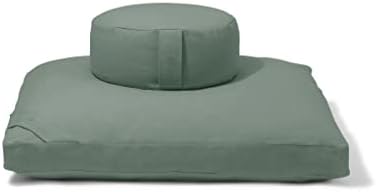
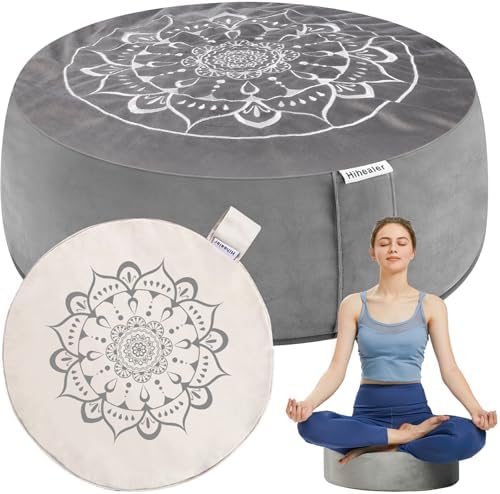
•Mindfulness and Meditation Tools – Support mental clarity and presence

•Sustainable Living Products – Align minimalism with environmental values


Conclusion: Your Minimalist Lifestyle Guide Journey Begins Now
The minimalist lifestyle guide presented here offers more than organizational tips or decluttering strategies—it provides a comprehensive philosophy for intentional living in a culture designed to promote mindless consumption. These seven rules work together to create freedom: freedom from debt, freedom from clutter, freedom from toxic relationships, freedom from information overload, and freedom from the exhausting pursuit of happiness through acquisition.
Implementing this minimalist lifestyle guide requires courage. You’ll face social pressure to conform to consumer culture, internal resistance to letting go of familiar patterns, and the challenge of defining yourself by who you are rather than what you own. Yet the rewards—increased peace, improved relationships, financial freedom, and authentic fulfillment—justify the effort required.
The minimalist lifestyle guide isn’t about deprivation or asceticism. It’s about abundance—abundance of time for what matters, abundance of energy for meaningful pursuits, abundance of space for growth and creativity, and abundance of resources for experiences and relationships that truly enrich your life.
Start small. Choose one rule from this minimalist lifestyle guide and implement it consistently for 30 days. Notice the changes in your stress level, decision-making clarity, and overall life satisfaction. As you experience the benefits, gradually incorporate additional principles until the entire minimalist lifestyle guide becomes your natural way of living.
Remember that minimalism is a tool, not a destination. The minimalist lifestyle guide serves your values and goals—it doesn’t dictate them. Adapt these principles to your unique circumstances, relationships, and aspirations. The goal isn’t to live like someone else’s idea of a minimalist but to create a life that authentically reflects your highest priorities and deepest values.
Your home has been stealing your life through the hidden costs of excess possessions, toxic relationships, and mindless consumption. The minimalist lifestyle guide offers a path to reclaim that life, transforming chaos into clarity, overwhelm into peace, and accumulation into authentic abundance. The journey begins with a single decision: choosing what deserves space in your life and courageously releasing everything else.
Related Articles
Explore these complementary guides to deepen your minimalist lifestyle journey:
•How to Ground Yourself Spiritually: 8 Powerful Techniques – Find stability in simplicity
•Mindfulness Exercises for Anxiety: Complete Guide – Use minimalist principles to reduce mental clutter
•Spiritual Awakening Signs: Complete Guide – Recognize growth through simplification
References
[1] Kasser, T. (2002). The High Price of Materialism. MIT Press.
Affiliate Disclosure: This article contains affiliate links. As an Amazon Associate, we earn from qualifying purchases at no additional cost to you. We only recommend products we’ve researched and believe will genuinely benefit your minimalist lifestyle journey.