

The Japanese tea ceremony at home offers a profound pathway to mindfulness, cultural appreciation, and inner peace through the ritualized preparation and sharing of matcha green tea. Known as “chanoyu” or “the way of tea,” this centuries-old practice transforms a simple beverage into a meditative art form that cultivates presence, gratitude, and aesthetic awareness. While authentic tea ceremonies traditionally occur in specialized tea houses under the guidance of trained masters, practicing Japanese tea ceremony at home makes this transformative practice accessible to anyone seeking deeper connection with mindful living traditions.
The beauty of bringing Japanese tea ceremony at home lies in its ability to create sacred moments within ordinary daily routines. Unlike casual tea drinking, the Japanese tea ceremony at home follows specific procedures and principles that transform preparation and consumption into contemplative practice. Each movement carries intention, each utensil serves both functional and symbolic purposes, and the entire experience invites participants to slow down and appreciate the present moment with full awareness.
Beginning Japanese tea ceremony at home requires minimal equipment and space, making it surprisingly accessible despite its reputation for complexity and formality. While mastering the complete traditional ceremony takes years of dedicated study, beginners can start experiencing the mindfulness benefits and aesthetic pleasures of Japanese tea ceremony at home with basic tools and understanding of core principles. This beginner-friendly approach honors the tradition while adapting it to contemporary Western contexts and lifestyles.
The practice of Japanese tea ceremony at home extends beyond tea preparation to encompass broader life philosophies around simplicity, respect, harmony, and tranquility. These principles, articulated by tea master Sen no Rikyū in the 16th century, continue to offer valuable guidance for navigating modern life’s complexity and stress. By incorporating Japanese tea ceremony at home into your routine, you create regular opportunities for mindfulness practice while connecting with a rich cultural tradition that has supported spiritual development for over 400 years.
Table of Contents
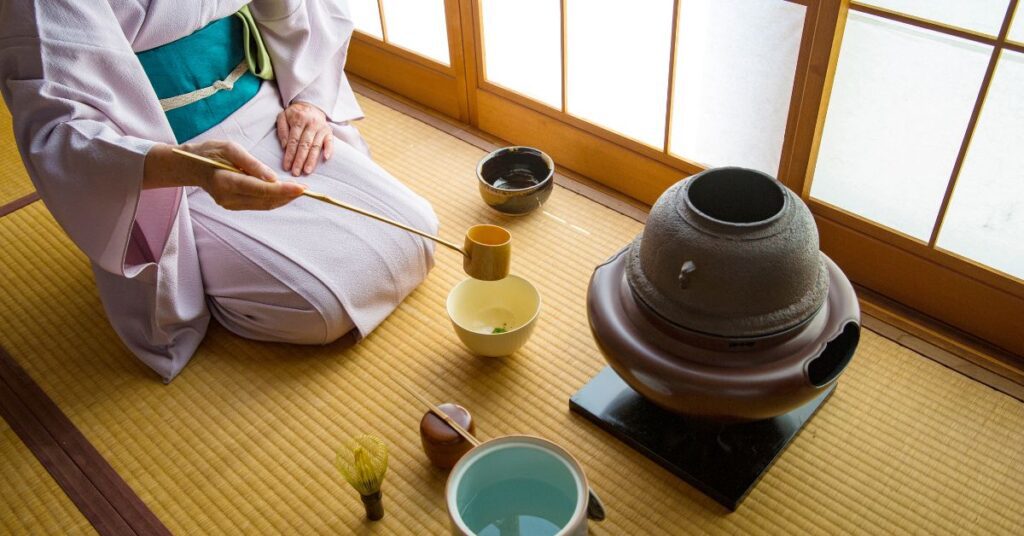
Understanding the Philosophy of Japanese Tea Ceremony
The Four Principles: Wa, Kei, Sei, Jaku
The Japanese tea ceremony at home rests on four foundational principles that guide both the physical practice and the spiritual cultivation it supports. Understanding these principles helps practitioners approach Japanese tea ceremony at home with appropriate mindset and intention.
Wa (Harmony) emphasizes creating harmonious relationships between all elements of the tea ceremony—the host and guests, the utensils and space, the season and decorations, and ultimately between oneself and the present moment. When practicing Japanese tea ceremony at home, wa manifests through thoughtful coordination of colors, textures, and movements that create unified, peaceful experiences. This principle extends beyond the ceremony itself to encourage harmonious living in all aspects of daily life.
Kei (Respect) guides interactions during Japanese tea ceremony at home through genuine appreciation for the tea, the utensils, the space, and all participants in the ceremony. This respect manifests through careful handling of tea implements, mindful preparation of the space, and gracious treatment of guests or oneself when practicing alone. Kei reminds practitioners that every element of the ceremony deserves attention and appreciation, from the most elaborate tea bowl to the simple act of bowing.
Sei (Purity) refers to both physical cleanliness and spiritual purification that Japanese tea ceremony at home facilitates. The ritual cleaning of utensils during the ceremony serves practical purposes while symbolizing the purification of mind and spirit. Practitioners of Japanese tea ceremony at home often find that the careful attention to cleanliness and order creates mental clarity and emotional calm that extends beyond the ceremony itself.
Jaku (Tranquility) represents the ultimate goal of Japanese tea ceremony at home—the cultivation of inner peace and equanimity that emerges through consistent practice of the first three principles. This tranquility doesn’t mean absence of activity but rather a deep centeredness that remains stable regardless of external circumstances. Regular practice of Japanese tea ceremony at home gradually develops this quality through repeated engagement with mindful, purposeful activity.
Historical Context and Cultural Significance
Understanding the historical development of tea ceremony enriches the practice of Japanese tea ceremony at home by connecting contemporary practitioners with centuries of cultural and spiritual evolution.
The Japanese tea ceremony at home traces its roots to Zen Buddhist monasteries in 12th-century Japan, where monks used tea to maintain alertness during long meditation sessions. Over subsequent centuries, tea drinking evolved from practical necessity into refined aesthetic and spiritual practice, influenced by Zen principles of simplicity, mindfulness, and direct experience. The tea master Sen no Rikyū (1522-1591) formalized many elements of the ceremony we recognize today, emphasizing rustic simplicity and spiritual depth over elaborate display.
The concept of “ichigo ichie” (one time, one meeting) profoundly influences Japanese tea ceremony at home practice by encouraging full presence and appreciation for each unique gathering. This principle recognizes that each tea ceremony represents an unrepeatable moment in time, never to occur again in exactly the same way. When practicing Japanese tea ceremony at home, this awareness transforms routine preparation into precious opportunity for mindfulness and gratitude.
The aesthetic principle of “wabi-sabi” shapes Japanese tea ceremony at home through appreciation of imperfection, impermanence, and incompleteness. Rather than seeking flawless execution or perfect utensils, practitioners embrace the beauty of natural materials, handmade objects with slight irregularities, and the acceptance of mistakes as part of the learning process. This philosophy makes Japanese tea ceremony at home particularly accessible to beginners, as it removes pressure for perfection while encouraging authentic engagement.
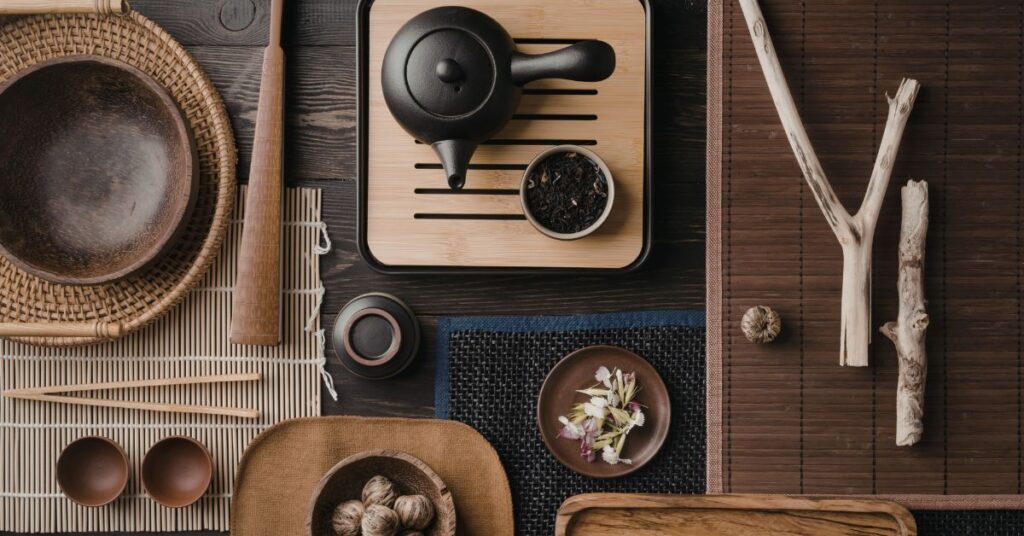
Essential Tools for Japanese Tea Ceremony at Home
Core Utensils for Beginners
Starting Japanese tea ceremony at home requires only a few essential tools, though the tradition includes many specialized implements that practitioners may gradually acquire as their practice deepens.
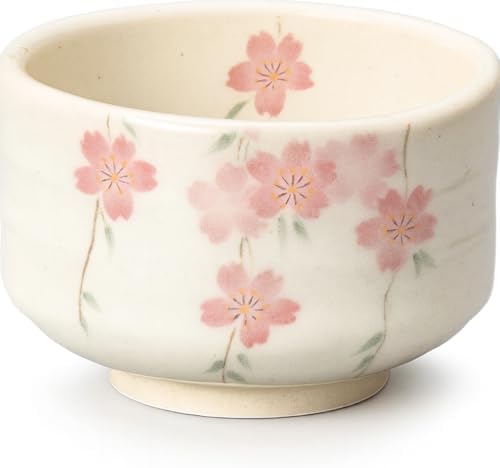
Chawan (Tea Bowl) serves as the most important vessel for Japanese tea ceremony at home, holding the prepared matcha and embodying aesthetic principles central to the practice. Traditional tea bowls feature handmade construction with slight irregularities that reflect wabi-sabi aesthetics, though beginners can start with any ceramic bowl of appropriate size (approximately 12-16 oz capacity). The bowl should feel comfortable in both hands and have enough depth to allow proper whisking of matcha without splashing.

- [MINI SIZE DESIGN] The Mino Ware Mini Matcha Bowl is perfectly crafted with a compact 3.7-inch size, making it ideal for…
- [EXQUISITE PATTERNS] Choose from three unique designs: vibrant momiji red, serene blue sakura, or delicate pink sakura. …
- [JAPANESE CRAFTSMANSHIP] Experience the superior quality of Japanese pottery with this matcha bowl, showcasing the tradi…
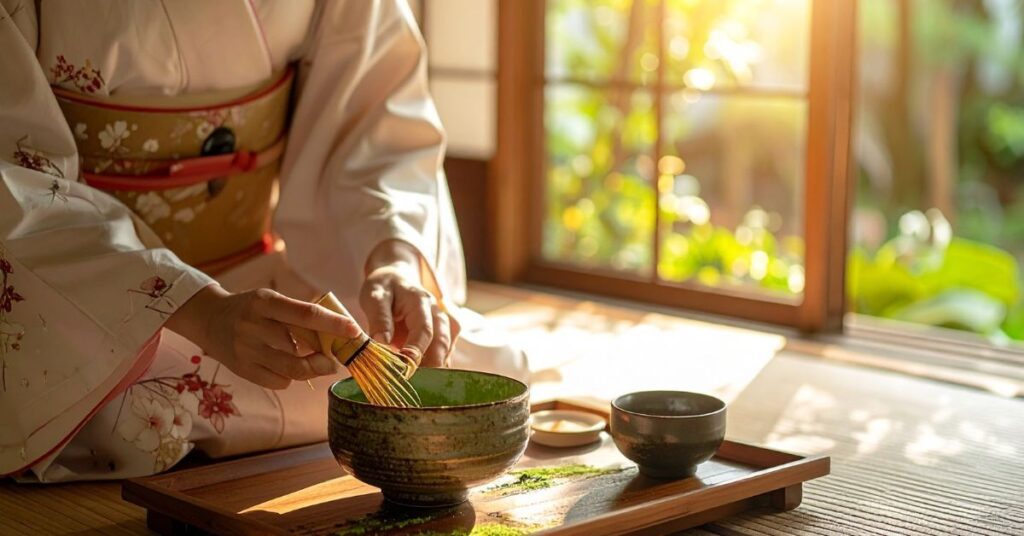
Chasen (Bamboo Whisk) creates the smooth, frothy consistency essential to properly prepared matcha in Japanese tea ceremony at home. This specialized tool features dozens of fine bamboo tines that effectively blend matcha powder with hot water, creating the characteristic foam that indicates well-prepared tea. Chasen require gentle handling and proper storage to maintain their shape and functionality over time.

- Traditional 100 Prong Design: Handcrafted bamboo whisk designed to blend matcha powder smoothly and evenly
- Creates Smooth, Frothy Matcha: Helps eliminate clumps and incorporate air for a creamy, consistent texture
- Durable Bamboo Construction: Made from 100 percent natural bamboo for reliable daily use
Chashaku (Tea Scoop) measures appropriate amounts of matcha powder during Japanese tea ceremony at home while adding elegant visual element to the ceremony. Traditionally carved from single pieces of bamboo, these slender scoops hold approximately one gram of matcha—the standard amount for one serving of tea. While measuring spoons can substitute in casual practice, using traditional chashaku enhances the ceremonial feeling and helps develop proper technique.

- An Essential Accessory: Elevate your matcha tea ceremony with these bamboo chashaku matcha scoops. Their fine and delica…
- The Perfect Measuring Tool: Designed to measure the appropriate amount of matcha powder, as well as scooping spices, con…
- Beautifully Crafted: Each set includes two finely crafted chashaku matcha scoops, featuring bamboo stripes in two distin…
Natsume or Cha-ire (Tea Container) stores matcha powder and serves as decorative element during Japanese tea ceremony at home. Natsume refers to lacquered wooden containers used for thick tea, while cha-ire describes ceramic containers for thin tea. Beginners can store matcha in any airtight container, though traditional tea containers add authenticity and beauty to the practice.
![KIMIKURA Japanese Tea Container made in Japan [Sakura] 70-100g Te...](https://m.media-amazon.com/images/I/31KrlcFDkML._AC_.jpg)
- TEA CANISTER MADE IN JAPAN – This is Japanese tea container called Ochakan in Japanese.
- Double lid -Keep tea in an airtight container to protect from moisture and to protect the delicate flavor.
Recommended Starter Set:
Complete Tea Ceremony Starter Kit – Includes chawan, chasen, chashaku, and natsume

- 7-Piece Matcha Set: Enhance your daily ritual with Losyslnt’s comprehensive kit featuring a bamboo whisk, premium cerami…
- Optimized Matcha kit: The ultra-fine sifter helps achieve consistently smooth powder, paired with a bamboo scoop for mea…
- Elegant Matcha Bowl Design: This minimalist matcha bowl features a speckled green glaze. Its ergonomic spout allows for …
Premium Matcha Powder – Ceremonial grade for authentic flavor and color

- CEREMONIAL GRADE SAEMIDORI MATCHA – Premium Japanese matcha from the pristine mountains of Tenryū, Shizuoka. Grown by th…
- AIR-FLOWN MONTHLY FOR PEAK FRESHNESS – Carefully harvested in small batches and air-flown direct from Japan to ensure vi…
- AUTHENTIC JAPANESE TEA TRADITION – Each leaf embodies the quiet grace of Shizuoka’s valleys. Expertly cultivated for cen…
Bamboo Chasen Whisk – Traditional 100-prong design for perfect foam
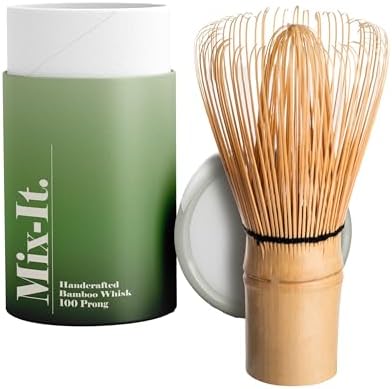
- LUXURIOUS MICRO-FOAM: This traditional-style chasen produces a delicate micro-foam that brings out the rich umami flavor…
- TRADITIONAL CRAFTSMANSHIP: 100-prong whisk made from natural bamboo. Carved using classic techniques, this matcha whisk …
- ETHICALLY SOURCED AND THOUGHTFULLY PACKAGED: We use sustainably harvested bamboo and carefully package each whisk to pre…
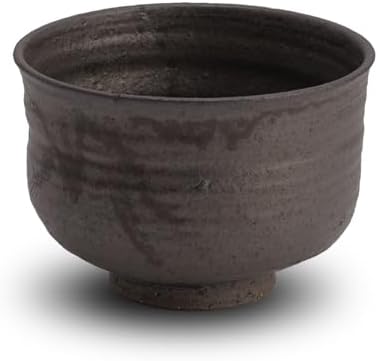
Ceramic Tea Bowl (Chawan) – Handcrafted with wabi-sabi aesthetic

![KIMIKURA Matcha Tea bowl Chawan [Mt.Fuji] Made in JAPAN | Japanes...](https://m.media-amazon.com/images/I/41ca7xAsruS._AC_.jpg)
Supporting Items and Optional Additions
Beyond core utensils, several supporting items enhance Japanese tea ceremony at home practice while remaining optional for beginners.
Chasen-tate (Whisk Holder) preserves the shape and functionality of bamboo whisks between uses during Japanese tea ceremony at home. These simple ceramic holders allow whisks to dry in proper position, preventing the tines from becoming misshapen or damaged. While not essential, whisk holders significantly extend the life of chasen and add aesthetic element to tea ceremony displays.
Chakin (Tea Cloth) provides the traditional method for wiping the tea bowl during Japanese tea ceremony at home, serving both practical and ceremonial functions. These small linen cloths, typically white and folded in specific ways, clean the bowl before preparing tea and wipe the rim after drinking. Clean kitchen towels can substitute initially, though traditional chakin enhance the ceremonial atmosphere.
Futaoki (Lid Rest) holds the ladle and lid during water heating in formal Japanese tea ceremony at home. These small ceramic or bamboo pieces add refinement to the ceremony while keeping surfaces clean and organized. Beginners can omit this item initially, though it becomes useful as practice becomes more formal.
Kensui (Waste Water Bowl) collects water used for warming and rinsing utensils during Japanese tea ceremony at home. Any attractive bowl of appropriate size can serve this function, though traditional kensui add authenticity and beauty to the ceremony setting.
Creating Your Tea Space at Home
Selecting and Preparing the Location
The physical environment significantly influences the quality of Japanese tea ceremony at home, making thoughtful space selection and preparation essential to meaningful practice.
Space requirements for Japanese tea ceremony at home remain surprisingly modest, requiring only enough room to sit comfortably with tea utensils within easy reach. Traditional tea rooms measure just 4.5 tatami mats (approximately 9 feet square), emphasizing intimacy and simplicity over spaciousness. Practitioners can create effective tea spaces in corners of living rooms, dedicated meditation areas, or even outdoor locations that offer quiet and privacy.
Cleanliness and simplicity form foundational requirements for Japanese tea ceremony at home spaces, reflecting the principle of sei (purity) while creating environments conducive to mindfulness and focus. Before each ceremony, thoroughly clean the designated area, remove unnecessary objects, and arrange remaining elements with intention and care. This preparation process itself becomes meditative practice that transitions practitioners from ordinary activities to ceremonial mindset.
Natural light and ventilation enhance Japanese tea ceremony at home by connecting practitioners with natural rhythms and creating pleasant sensory environments. When possible, choose locations with windows that provide natural light and fresh air, though avoid direct sunlight that might create glare or excessive heat. The gentle sounds of nature—birds, wind, rain—traditionally accompany tea ceremonies, adding to the peaceful atmosphere.
Seating arrangements for Japanese tea ceremony at home traditionally involve sitting on the floor in seiza position (kneeling with legs folded beneath the body), though Western practitioners may adapt this to cross-legged sitting or even chair use if physical limitations require. The key is finding stable, comfortable positions that allow practitioners to remain still and focused throughout the ceremony without excessive discomfort or distraction.
Seasonal Decorations and Atmosphere
The Japanese tea ceremony at home incorporates seasonal awareness through thoughtful selection of decorations and aesthetic elements that connect practitioners with natural cycles and the present moment.
Tokonoma (Alcove Display) traditionally provides focal point for Japanese tea ceremony at home, featuring hanging scrolls (kakemono) and flower arrangements (chabana) that reflect current season and ceremony theme. Western practitioners can create similar focal points using simple shelves or wall spaces where single pieces of artwork or seasonal flowers draw attention and set ceremonial tone.
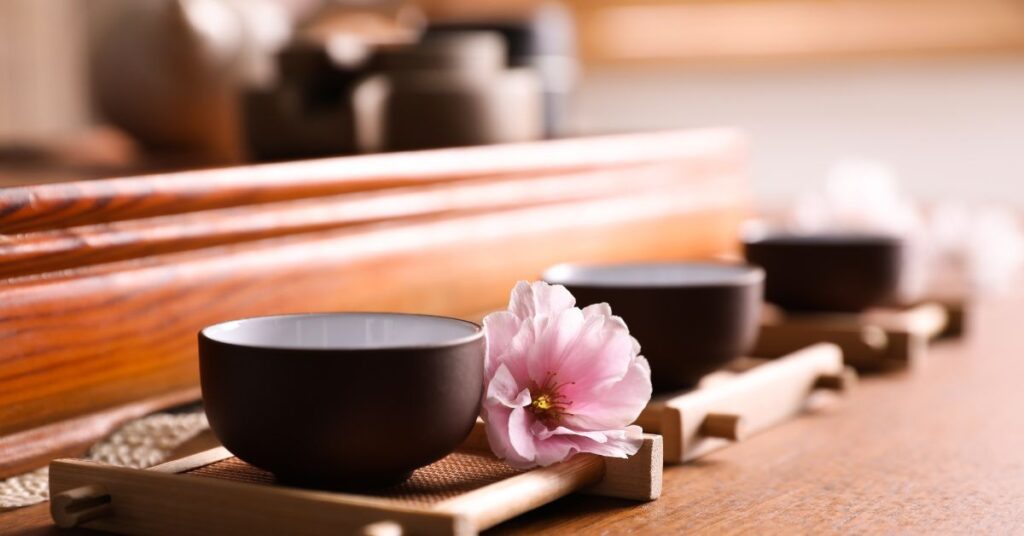
Seasonal flowers and plants bring living nature into Japanese tea ceremony at home while demonstrating aesthetic principles of simplicity and natural beauty. Unlike elaborate Western flower arrangements, chabana emphasizes minimalism and natural growth patterns, often featuring single stems or branches arranged to suggest their natural habitat. Choose seasonal flowers or branches available locally, arranged simply in rustic containers that complement rather than dominate the space.
Incense selection adds olfactory dimension to Japanese tea ceremony at home while supporting the transition from ordinary consciousness to meditative awareness. Traditional incense for tea ceremony tends toward subtle, woody, or herbal scents rather than sweet or floral fragrances. Light incense before beginning the ceremony, allowing the scent to permeate the space while avoiding overwhelming intensity.
Lighting considerations create appropriate atmosphere for Japanese tea ceremony at home through soft, indirect illumination that supports calm and focus. Avoid harsh overhead lighting, instead using natural light supplemented by candles or low lamps that create gentle, warm ambiance. The goal is sufficient light for safe handling of hot water and utensils while maintaining peaceful, contemplative atmosphere.
The Basic Tea Ceremony Process
Preparation Steps
Proper preparation forms the foundation of successful Japanese tea ceremony at home, ensuring that all elements are ready and the practitioner enters appropriate mindset for ceremonial practice.
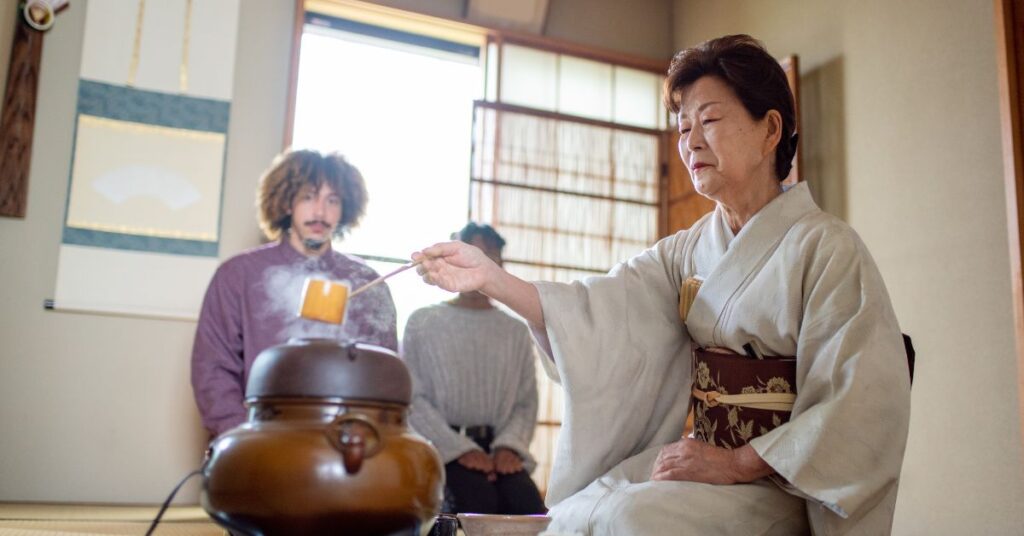
Water heating begins Japanese tea ceremony at home preparation by bringing fresh, filtered water to appropriate temperature for matcha preparation. Ideal water temperature ranges from 160-180°F (70-80°C)—hot enough to properly dissolve matcha but not so hot that it creates bitter flavor. Traditional ceremonies use special kettles heated over charcoal braziers, though modern practitioners can use electric kettles or stovetop methods.
Utensil arrangement organizes all necessary implements within easy reach before beginning Japanese tea ceremony at home, following traditional placement patterns that support smooth, graceful movements. Place the tea bowl directly in front of you, with the whisk and scoop positioned to your right and the tea container to your left. This arrangement allows natural, efficient movements throughout the ceremony while maintaining aesthetic harmony.
Mental preparation transitions practitioners from ordinary activities to the focused, present awareness essential to meaningful Japanese tea ceremony at home. Before beginning the physical ceremony, take several minutes to sit quietly, focus on breathing, and release concerns about past or future. This mental preparation honors the principle of ichigo ichie by acknowledging the unique, unrepeatable nature of each tea gathering.
Making Matcha: Step-by-Step
The actual preparation of matcha represents the heart of Japanese tea ceremony at home, transforming simple ingredients into meditative practice through careful attention and purposeful movement.
Step 1: Warm the bowl by pouring hot water into the chawan and swirling gently to heat the ceramic. This warming prevents rapid cooling of the tea while preparing the bowl for use. Pour out the warming water into the waste bowl, then dry the tea bowl with the chakin using gentle, mindful movements.
Step 2: Add matcha powder using the chashaku to place 1-2 scoops (approximately 1-2 grams) of matcha into the warmed bowl. The exact amount depends on personal preference and whether preparing usucha (thin tea) or koicha (thick tea). Beginners typically start with usucha, using approximately 1 scoop of matcha per serving.
Step 3: Add hot water in two stages, first adding just enough water (approximately 2 tablespoons) to create paste with the matcha powder. Use the chasen to blend the powder and water into smooth paste without lumps, working the whisk in circular motions against the bottom of the bowl.
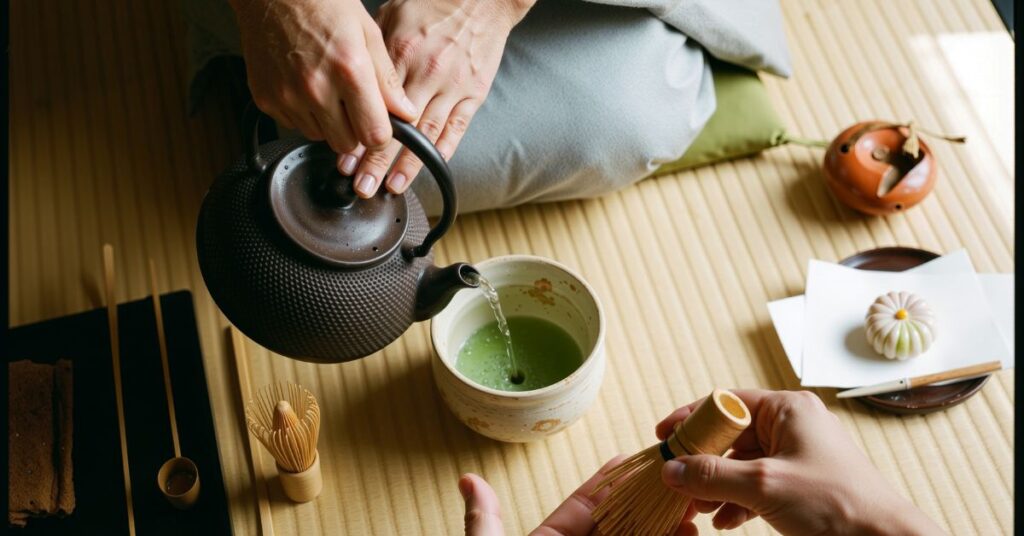
Step 4: Whisk the tea by adding remaining hot water (approximately 2-3 ounces total) and whisking vigorously in rapid back-and-forth motion (not circular) until the tea develops light foam on the surface. The characteristic “M” or “W” motion of the chasen creates the desired frothy consistency that indicates properly prepared matcha. Continue whisking for 15-20 seconds until foam forms evenly across the surface.
Step 5: Finish and present by lifting the whisk straight up from the center of the bowl, leaving a smooth foam surface. Turn the bowl so that its most attractive side faces the recipient (or yourself if practicing alone), then present the tea with both hands while bowing slightly to honor the moment.
Drinking the Tea Mindfully
Consuming the prepared matcha completes the Japanese tea ceremony at home through mindful appreciation that honors the tea, the preparation process, and the present moment.
Receiving the tea involves accepting the bowl with both hands while bowing to acknowledge the gift and the effort of preparation. Hold the bowl gently, appreciating its weight, texture, and temperature before drinking. Take a moment to admire the color and foam of the tea, engaging visual sense before tasting.
Drinking technique follows specific patterns in formal Japanese tea ceremony at home, though beginners can focus on mindful consumption rather than perfect etiquette. Rotate the bowl slightly so you don’t drink from the “front” (most decorative side), then take three and a half sips to consume the tea—three regular sips followed by a final audible sip that signals completion. This slurping sound, considered polite in tea ceremony context, demonstrates thorough appreciation of the tea.
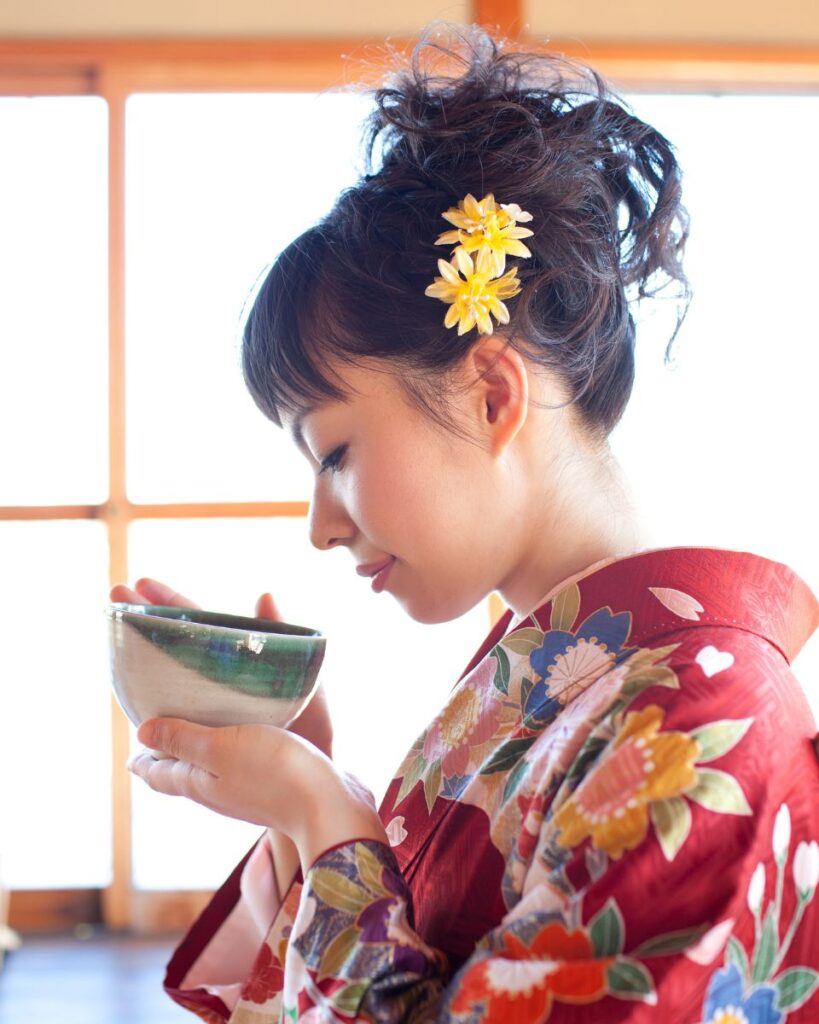
Appreciating the bowl after finishing the tea involves examining the empty bowl, appreciating its craftsmanship, glaze, and aesthetic qualities. This appreciation honors the potter’s work while cultivating awareness of beauty in everyday objects. In formal ceremonies, guests often ask about the bowl’s origin and characteristics, though solo practitioners can simply spend time observing and appreciating the bowl’s qualities.
Etiquette and Mindfulness Practices
Traditional Ceremony Etiquette
Understanding basic etiquette enhances Japanese tea ceremony at home by connecting practitioners with traditional forms while cultivating respect and mindfulness.
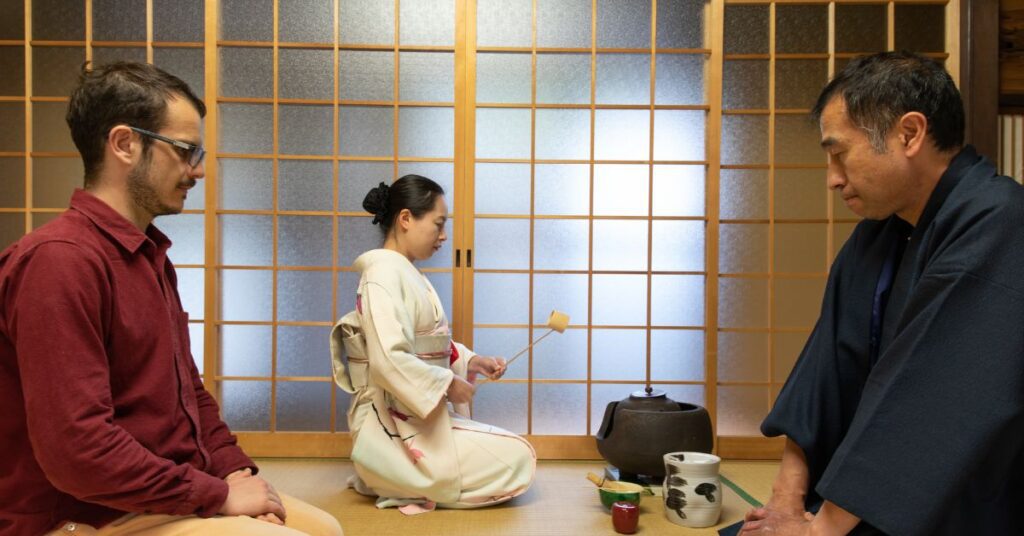
Bowing practices express respect and gratitude throughout Japanese tea ceremony at home, marking transitions between ceremony phases and acknowledging relationships between participants and objects. Bow when entering the tea space, when receiving or presenting tea, when handling special utensils, and when leaving the space. These bows need not be elaborate—simple, sincere inclinations of the head suffice for home practice.
Handling utensils requires care and attention that honors both the objects themselves and the tea ceremony tradition. Always handle tea implements with both hands when possible, move them deliberately and gracefully, and place them carefully rather than setting them down carelessly. This mindful handling prevents damage while cultivating present-moment awareness essential to meaningful practice.
Silence and conversation balance differently in various tea ceremony contexts, though Japanese tea ceremony at home generally emphasizes quiet contemplation over extensive discussion. Some ceremonies include designated conversation periods, while others maintain silence throughout. When practicing alone, allow natural quiet to support meditative focus, though don’t force artificial silence if gentle background sounds (nature, soft music) support your practice.
Cultivating Presence and Awareness
The deeper purpose of Japanese tea ceremony at home lies in developing mindfulness and present-moment awareness that extends beyond the ceremony itself into daily life.
Breath awareness anchors attention during Japanese tea ceremony at home by providing constant focal point for returning wandering attention. Notice your breathing throughout the ceremony—during preparation, whisking, drinking, and cleanup. When thoughts drift to past or future, gently return attention to the physical sensation of breathing.
Sensory engagement deepens Japanese tea ceremony at home experience by fully engaging all five senses with each aspect of the practice. Notice the colors of the matcha and tea bowl, the sounds of water and whisking, the scents of tea and incense, the textures of utensils and ceramics, and the complex flavors of properly prepared matcha. This multi-sensory engagement naturally draws attention into present moment.
Movement meditation transforms the physical actions of Japanese tea ceremony at home into contemplative practice by bringing full awareness to each gesture and transition. Move deliberately and gracefully, maintaining awareness of your body’s position and motion throughout the ceremony. This mindful movement develops body awareness while creating natural meditation practice that doesn’t require sitting still.
Health Benefits and Spiritual Significance
Physical and Mental Health Benefits
Regular practice of Japanese tea ceremony at home provides numerous health benefits beyond the nutritional value of matcha itself.
Stress reduction occurs through the meditative aspects of Japanese tea ceremony at home, which activate the parasympathetic nervous system and reduce cortisol levels. The combination of ritualized movement, focused attention, and mindful breathing creates powerful stress-relief practice that can be accessed whenever needed through brief tea ceremony sessions.
Improved focus and concentration develop through consistent Japanese tea ceremony at home practice, as the ceremony trains attention and reduces mental distraction. The sustained focus required for proper tea preparation strengthens concentration abilities that transfer to other activities and responsibilities.
Enhanced mindfulness emerges naturally from Japanese tea ceremony at home as practitioners develop greater awareness of present-moment experience and reduced mental time-travel to past regrets or future worries. This mindfulness supports emotional regulation, improved relationships, and greater life satisfaction.
Matcha health benefits complement the mindfulness aspects of Japanese tea ceremony at home through matcha’s rich antioxidant content, natural caffeine for alertness without jitters, L-theanine for calm focus, and various vitamins and minerals that support overall health.
Spiritual and Philosophical Dimensions
Beyond physical and mental health benefits, Japanese tea ceremony at home offers opportunities for spiritual growth and philosophical reflection.
Zen practice integration connects Japanese tea ceremony at home with broader Zen Buddhist traditions of meditation, mindfulness, and direct experience of reality. The ceremony embodies key Zen principles including beginner’s mind, non-attachment, and finding the sacred in ordinary activities.
Aesthetic cultivation develops refined appreciation for beauty, simplicity, and natural materials through regular Japanese tea ceremony at home practice. This aesthetic awareness often extends beyond the tea room into other life areas, supporting more intentional and appreciative engagement with daily experiences.
Connection with tradition provides sense of continuity and meaning by linking contemporary practitioners with centuries of cultural and spiritual development. Practicing Japanese tea ceremony at home connects you with countless practitioners across time and space who have found meaning and peace through this same ritual.
Conclusion: Beginning Your Tea Ceremony Journey
Starting Japanese tea ceremony at home requires minimal equipment and space but offers profound opportunities for mindfulness, cultural appreciation, and inner peace. The practice welcomes beginners while providing lifetime depth for continued learning and refinement. By approaching Japanese tea ceremony at home with respect, curiosity, and patience, you create regular opportunities for contemplative practice while connecting with rich cultural tradition.
Remember that Japanese tea ceremony at home is a practice, not a performance. Mistakes and imperfections are natural parts of learning and embody the wabi-sabi aesthetic central to tea ceremony philosophy. Focus on sincere engagement rather than perfect execution, allowing your practice to develop organically over time.
As you continue exploring Japanese tea ceremony at home, you may find that the mindfulness and aesthetic awareness cultivated during tea preparation naturally extend into other life areas. The principles of harmony, respect, purity, and tranquility offer valuable guidance for navigating modern life’s complexity while maintaining connection with what truly matters.
Whether you practice Japanese tea ceremony at home daily or reserve it for special occasions, each ceremony offers unique opportunity for presence, gratitude, and peace. Honor each gathering as the unrepeatable moment it is, and allow the practice to support your journey toward greater mindfulness and inner tranquility.
Frequently Asked Questions
Do I need expensive equipment to start Japanese tea ceremony at home?
No. While authentic utensils enhance the experience, beginners can start with basic items: a ceramic bowl, bamboo whisk, bamboo scoop, and quality matcha powder. A complete starter set costs $40-60, making Japanese tea ceremony at home quite accessible.
How long does a basic tea ceremony take?
A simple Japanese tea ceremony at home for personal practice takes 15-30 minutes, including preparation, tea making, mindful drinking, and cleanup. Formal ceremonies with guests may extend to 1-2 hours.
Can I practice Japanese tea ceremony at home alone?
Absolutely. Solo practice offers excellent opportunities for meditation and mindfulness development. Many practitioners maintain daily personal tea ceremonies as part of morning or evening routines.
What’s the difference between ceremonial and culinary grade matcha?
Ceremonial grade matcha features finer texture, brighter color, and more delicate flavor suitable for traditional tea ceremony. Culinary grade works for cooking and casual drinking but lacks the quality needed for authentic Japanese tea ceremony at home.
How do I care for my bamboo whisk?
Rinse the chasen with warm water after each use, gently reshape the tines, and store it on a whisk holder to maintain proper shape. Never use soap or dishwashers, as these damage the bamboo.
Related Articles
Deepen your mindfulness practice with these complementary guides:
•Mindfulness Exercises for Anxiety: Complete Guide – Expand your mindfulness toolkit
•How to Ground Yourself Spiritually: 8 Techniques – Complement tea ceremony with grounding practices
•Guided Sleep Meditation for Deep Rest – Evening practices to complement morning tea ceremony
References
[1] Sen, S. (1998). The Japanese Way of Tea: From Its Origins in China to Sen Rikyū. University of Hawaii Press.
[2] Okakura, K. (1906). The Book of Tea. Fox Duffield Company.