

Your home should be your ultimate sanctuary—a safe, comforting place where you can retreat from the chaos of the outside world, decompress, and recharge your physical and emotional batteries. However, with the increasingly blurred lines between work and home life, it is incredibly common for our living spaces to hold onto residual stress, anxiety, and stagnant energy. If you are looking for a natural, scientifically backed way to transform the atmosphere of your space, incorporating aromatherapy for home wellness is one of the most effective, accessible strategies you can adopt.
Aromatherapy is far more than just making a room smell pleasant or masking cooking odors. It is an ancient, holistic healing practice that utilizes the highly concentrated natural extracts of plants—known as essential oils—to promote physical, mental, and emotional well-being. When used correctly and intentionally, these potent botanical extracts can purify the air you breathe, calm an overactive nervous system, boost your mood, and even significantly improve the quality of your sleep.
In this comprehensive, in-depth guide, we will explore the fascinating science behind exactly how aromatherapy works in the body, highlight the absolute best essential oils for different wellness goals, and provide practical, safe methods for integrating these powerful plant medicines into your daily home routine.
Table of Contents
The Science Behind Aromatherapy: How It Actually Works
To truly appreciate the profound benefits of aromatherapy for home wellness, it helps to understand the physiological mechanisms at play within the human body. When you inhale the scent of an essential oil, you are not just smelling a fragrance; you are breathing in microscopic, volatile aromatic compounds that interact directly with your brain chemistry.
According to medical experts at Johns Hopkins Medicine, these scent molecules travel rapidly from your olfactory nerves directly to your brain. Specifically, they bypass the conscious, analytical parts of the brain and directly impact the amygdala, which is the emotional center of the brain responsible for processing feelings, storing memories, and regulating survival instincts [1]. This direct, unfiltered neural pathway explains why a specific scent can instantly trigger a vivid childhood memory or immediately induce a state of deep, profound relaxation before you even consciously register what you are smelling.
Furthermore, when essential oils are applied topically (always properly diluted with a carrier oil), their active chemical components are small enough to be absorbed through the skin and enter the bloodstream. Once in the bloodstream, they can offer localized pain relief, systemic anti-inflammatory benefits, and immune system support. A recent 2025 study published in the National Center for Biotechnology Information (PMC) highlighted that the aromatic plants used in clinical aromatherapy play a fundamental, measurable role in reducing both clinical anxiety and the physical perception of pain in patients [2].
The Best Essential Oils for Home Wellness
With hundreds of different essential oils available on the market, building a starter kit can feel overwhelming for beginners. To simplify the process, we have categorized the most effective, scientifically supported essential oils based on their primary wellness benefits and how they can enhance your home environment.
1. For Stress Relief, Anxiety Reduction, and Deep Relaxation
When you need to unwind after a long, demanding day, these specific oils help shift your nervous system from the sympathetic “fight or flight” state into the parasympathetic “rest and digest” mode.
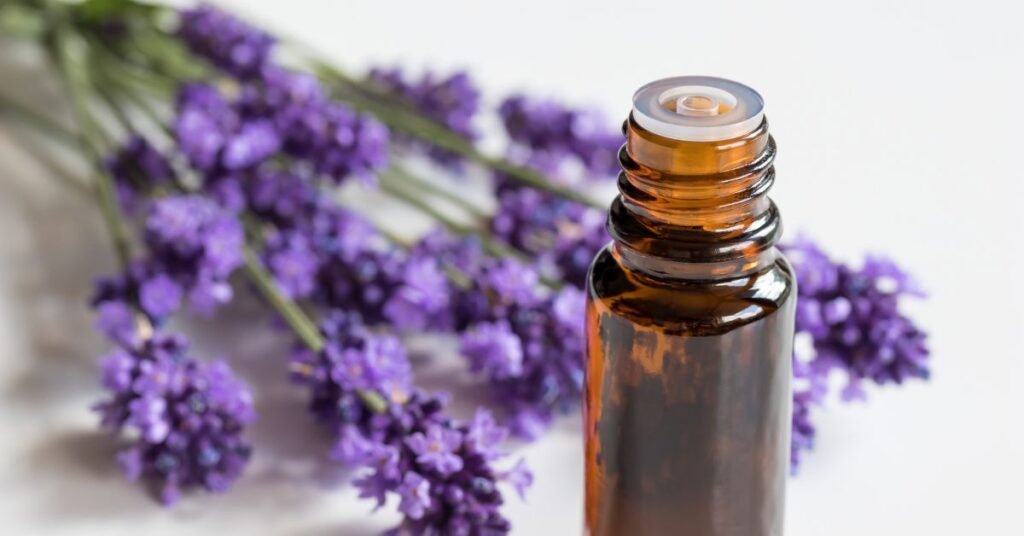
- Lavender (Lavandula angustifolia): Lavender is the undisputed king of calming essential oils. Extensive clinical research shows it significantly reduces stress, lowers heart rate, decreases blood pressure, and promotes high-quality, restorative sleep. It is the perfect oil to diffuse in your bedroom as part of a morning meditation routine or an evening wind-down ritual.
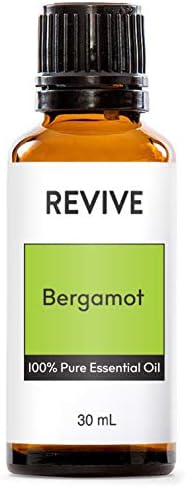
- Bergamot (Citrus bergamia): Unlike most citrus oils that are purely energizing and stimulating, bergamot has a unique, complex dual action. It is both uplifting to the mood and deeply calming to the nervous system, making it excellent for reducing anxiety and nervous tension without causing drowsiness or lethargy.
- Frankincense (Boswellia carterii): Known for its rich, woody, earthy aroma, frankincense naturally slows down and deepens the breath. It is highly anti-inflammatory and has been traditionally used for thousands of years to enhance spiritual connection, grounding, and deep meditation.
- Roman Chamomile (Anthemis nobilis): Just like a warm cup of chamomile tea, the essential oil version is incredibly soothing. It is particularly effective for calming a racing mind and soothing irritability, making it a great choice for households with restless children.



2. For Energy, Mental Focus, and Mood Boosting
If you work from home, study frequently, or simply need a mid-afternoon pick-me-up, these stimulating oils provide a natural, caffeine-free energy boost and enhance cognitive clarity.
- Peppermint (Mentha piperita): Peppermint is incredibly invigorating and cooling. It fights mental fatigue, improves concentration, and can even help alleviate tension headaches and migraines when diluted and applied to the temples and back of the neck.
- Lemon (Citrus limon): The bright, crisp, clean scent of lemon oil is a proven, powerful mood booster. It helps clear brain fog, reduces feelings of depression and lethargy, and creates an atmosphere of positivity and cleanliness.
- Rosemary (Rosmarinus officinalis): Studies have shown that inhaling rosemary oil can significantly improve memory retention, speed up cognitive function, and increase alertness, making it an absolutely ideal choice for a home office or study environment.
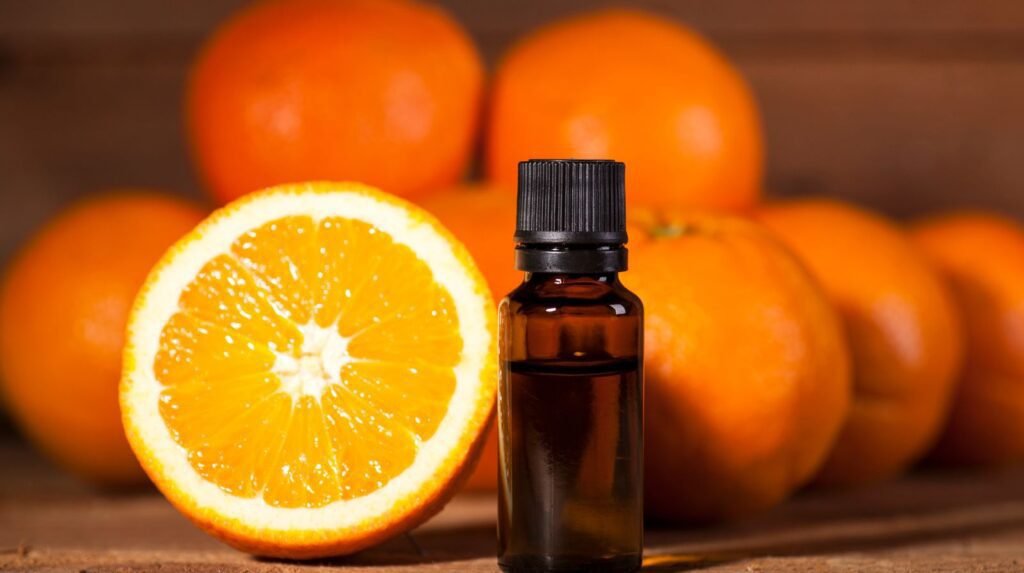
- Sweet Orange (Citrus sinensis): Sweet orange oil is like liquid sunshine. It is highly effective at reducing stress while simultaneously uplifting the spirit, making it perfect for diffusing in the kitchen or living room during the day.


3. For Air Purification and Immune System Support
Essential oils are naturally packed with complex phytochemicals designed by nature to protect the plant from predators, fungus, and disease. We can harness these exact same properties to keep our homes healthy and our immune systems strong.
- Tea Tree (Melaleuca alternifolia): Tea tree oil is a powerhouse antiseptic, antimicrobial, and antifungal agent. It is excellent for purifying the air, eliminating mold spores, and can be added to homemade, non-toxic cleaning sprays for bathrooms and kitchens.
- Eucalyptus (Eucalyptus globulus): If you or your family members are dealing with seasonal colds, flu, or allergies, eucalyptus is absolutely essential. It acts as a natural expectorant, opening up congested nasal passages, soothing coughs, and supporting overall respiratory health.
- Lemongrass (Cymbopogon citratus): Lemongrass not only smells like a luxury spa, but it also possesses strong antibacterial properties and acts as a highly effective, natural insect repellent, keeping mosquitoes and pests out of your home naturally.


How to Safely and Effectively Use Essential Oils at Home
While essential oils are 100% natural, they are incredibly potent, highly concentrated substances and must be used with respect, knowledge, and care. Here are the best, safest ways to incorporate aromatherapy into your home wellness routine:
Ultrasonic Diffusers
Diffusing is the most popular, efficient, and effective way to alter the mood and scent of an entire room. An ultrasonic diffuser uses water and high-frequency vibrations to disperse a fine, cool mist of essential oils and water particles into the air without using heat, which can destroy the therapeutic properties of the oils.
- How to use: Add clean water to the fill line of your diffuser and drop in 5-8 drops of your chosen essential oil or custom blend.
- Safety note: If you have pets (especially cats or birds, whose livers cannot process certain compounds) or infants in the home, you must consult with a veterinarian or pediatrician before diffusing. Certain oils, like tea tree, eucalyptus, and peppermint, can be highly toxic to animals even when diffused.

- Fan-favorite Ultimate Aromatherapy Diffuser With 10 Essential Oils – Loved Worldwide By the Top Editors and Featured in …
- Complete Bundle – the Essence Diffuser Bundle includes an aromatherapy diffuser and 10 essential oils. Everything needed…
- Essential Oil Dispersion Technology – Essences are atomized using a vibration-powered technology – not heat – so the dif…
DIY Room and Linen Sprays
Creating a DIY room spray is a wonderful, inexpensive way to instantly refresh a space, especially if you are practicing biophilic design and want your home to smell as natural and vibrant as it looks.
- How to use: In a dark glass spray bottle, combine 2 ounces of distilled water, 1 tablespoon of witch hazel or high-proof rubbing alcohol (this is necessary to help the oil and water mix properly), and 15-20 drops of your favorite essential oil. Shake the bottle well before misting over pillows, curtains, couches, or simply into the air.
Topical Application (Always With a Carrier Oil)
If you want to use essential oils for specific physical ailments, such as muscle tension, joint pain, or digestive issues, they must be applied directly to the skin.
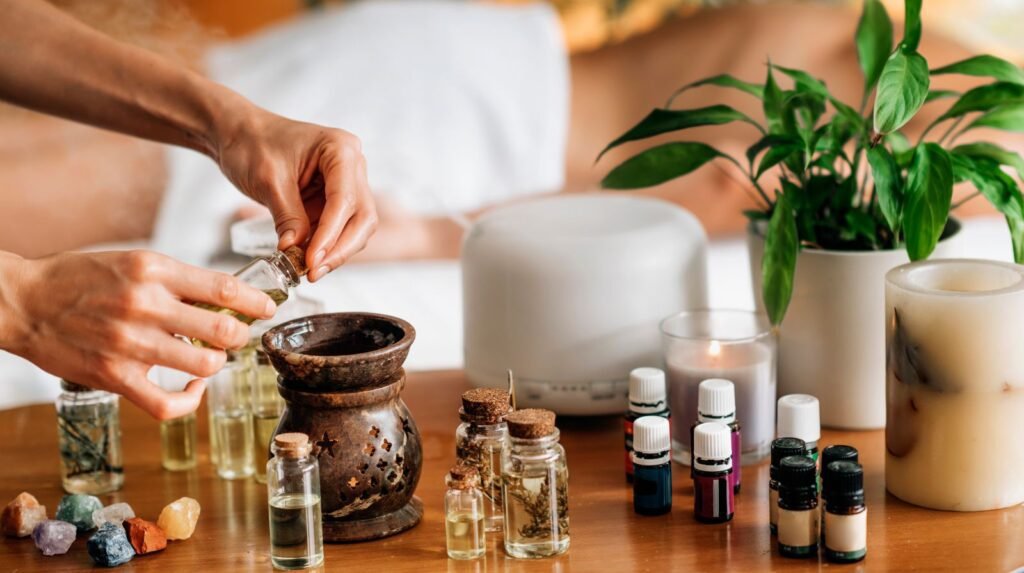
- How to use: Never apply pure, undiluted essential oils directly to your skin, as they can cause severe irritation, sensitization, or even chemical burns. Always dilute them in a fatty “carrier oil” such as jojoba, sweet almond, olive, or fractionated coconut oil. A safe, standard dilution ratio for healthy adults is generally 2-3 drops of essential oil per teaspoon of carrier oil (about a 2% dilution).
How to Choose High-Quality, Pure Essential Oils
The aromatherapy market is largely unregulated by government bodies, meaning many cheap products labeled as “essential oils” found in drugstores or discount shops are actually synthetic fragrance oils. These synthetic oils offer absolutely zero therapeutic benefits and can even trigger severe headaches, asthma, and allergies.
To ensure you are buying pure, high-quality, therapeutic oils, always look for the following indicators:
- Latin Botanical Name: The bottle should clearly state the plant’s exact Latin botanical name (e.g., Lavandula angustifolia rather than just a generic “Lavender”).
- Purity Statement: Look for labels that explicitly state “100% pure essential oil” with absolutely no added fillers, carrier oils, or synthetic ingredients listed.
- Dark Glass Bottles: Pure essential oils degrade quickly when exposed to UV light and are so potent they can dissolve plastic containers over time. They should always be sold in dark amber, cobalt blue, or dark green glass bottles.
- Avoid “Fragrance”: If the label says “fragrance oil,” “perfume oil,” or “nature identical oil,” leave it on the shelf. It is synthetic.
- Price Discrepancies: Essential oils should vary wildly in price depending on the plant. Lemon oil is cheap to produce, while pure rose or sandalwood oil requires thousands of pounds of plant material and should be very expensive. If a brand sells all their oils for the exact same low price, they are likely synthetic or heavily adulterated.
Recommended Aromatherapy Tools for Your Home
To help you get started on your home wellness journey with confidence, here are a few highly-rated, reliable tools that we strongly recommend:
Premium Ultrasonic Essential Oil Diffuser — A high-capacity, whisper-quiet diffuser with an elegant wood-grain finish that blends seamlessly into any home decor while providing up to 10 hours of continuous, therapeutic mist.
- Fan-favorite Ultimate Aromatherapy Diffuser With 10 Essential Oils – Loved Worldwide By the Top Editors and Featured in …
- Complete Bundle – the Essence Diffuser Bundle includes an aromatherapy diffuser and 10 essential oils. Everything needed…
- Essential Oil Dispersion Technology – Essences are atomized using a vibration-powered technology – not heat – so the dif…
Organic Lavender Essential Oil (100% Pure) — Sourced from high-altitude organic farms, this therapeutic-grade lavender oil is rigorously third-party tested for purity and is absolutely perfect for promoting deep, restorative sleep.
Fractionated Coconut Carrier Oil — An odorless, lightweight, liquid carrier oil that absorbs quickly into the skin without leaving a heavy, greasy residue, making it the ideal base for creating your own topical aromatherapy massage blends and roller bottles.
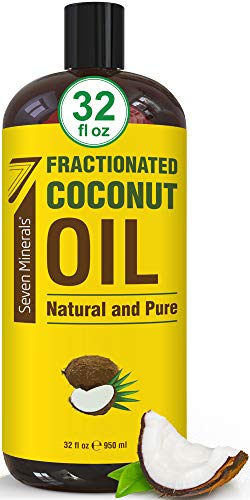
- ✅ FRESHLY PRESSED here in California & there’s only 1 ingredient in our Fractionated Coconut Oil: 100% Pure Fractionated…
- ✅ ECO-SIZED BOTTLE – Unlike other 16oz Oils, our Fractionated Coconut Oil is stored in BIG 32oz bottles. This means you …
- ✅ THE PERFECT CARRIER OIL: Our therapeutic grade Fractionated Coconut Oil is a top rated carrier oil for pure essential …
Conclusion
Integrating aromatherapy for home wellness is a simple, beautiful, and highly effective way to take conscious control of your environment and your physical and mental health. Whether you are diffusing bright lemon oil to energize your morning workspace, or misting soothing lavender over your pillows to prepare your body for a restful night, these potent plant extracts offer a profound, daily connection to nature’s incredible healing power.
By choosing high-quality, pure oils and using them safely and intentionally, you can transform your home from a mere living space into a true sanctuary of peace, balance, and vibrant health. If you are looking to further enhance the energetic quality of your space, consider pairing your new daily aromatherapy practice with sage smudging for beginners to clear out old, stagnant energy before introducing new, uplifting botanical scents.
References
[1] Johns Hopkins Medicine. (n.d.). Aromatherapy: Do Essential Oils Really Work? https://www.hopkinsmedicine.org/health/wellness-and-prevention/aromatherapy-do-essential-oils-really-work
[2] National Center for Biotechnology Information (PMC). (2025). Aromatherapy and Essential Oils: Holistic Strategies in Pain and Anxiety Management. https://pmc.ncbi.nlm.nih.gov/articles/PMC11821193/