

Have you ever noticed how your shoulders tense up when you are stressed, or how your stomach ties in knots when you are anxious? These physical reactions are not just side effects of your emotions; they are the emotions themselves, manifesting in your physical body. When we experience chronic stress or trauma, our bodies often hold onto that energy long after the event has passed. This is where somatic healing exercises come in.
Unlike traditional talk therapy, which focuses primarily on the mind and cognitive processing, somatic therapy recognizes that the mind and body are deeply interconnected. The word “somatic” comes from the Greek word soma, meaning “the living body.” By engaging in somatic healing exercises, you can bypass the analytical mind and speak directly to your nervous system, helping it release pent-up tension and return to a state of balance.
Whether you are dealing with daily stressors, anxiety, or the lingering physical effects of past trauma, incorporating these practices into your routine can be profoundly transformative. In this comprehensive guide, we will explore the science behind somatic healing, how trauma gets trapped in the body, and share five simple, highly effective exercises you can do at home every day to support your emotional and physical well-being.
Table of Contents

The Science Behind Somatic Healing
To understand why somatic healing exercises are so effective, we need to look at how our bodies process stress and danger. When we encounter a threat—whether it is a physical danger like a swerving car, or an emotional stressor like a harsh email from a boss—our sympathetic nervous system activates the “fight, flight, or freeze” response. This floods our bodies with adrenaline and cortisol, preparing our muscles to survive the encounter.
In the wild, animals naturally discharge this massive surge of survival energy once the threat has passed. If you have ever watched a nature documentary, you might have seen a gazelle physically shake or tremble after escaping a predator. That shaking is the nervous system resetting itself. However, as humans, our social conditioning often prevents us from releasing this energy. We suppress the urge to cry, shake, or run because it is not considered “socially acceptable” in a modern environment. As a result, that intense survival energy becomes trapped in our muscles, fascia, and nervous system [1].
Over time, this trapped energy accumulates. It can lead to chronic pain, unexplained muscle tension, anxiety, depression, digestive issues, and a pervasive feeling of being disconnected from our own bodies. Somatic therapy, pioneered by experts like Dr. Peter Levine (creator of Somatic Experiencing) and Dr. Pat Ogden, aims to safely release this stored trauma. By bringing conscious awareness to physical sensations, we can help the nervous system complete its natural cycle and return to a state of calm, known as the parasympathetic “rest and digest” mode [2].
“Trauma is not what happens to us, but what we hold inside in the absence of an empathetic witness.” — Dr. Peter Levine
Research strongly supports this mind-body approach. A 2014 study published in the Journal of the American Medical Association (JAMA) found that somatic practices, specifically Trauma Releasing Exercises (TRE), significantly improved the quality of life and reduced stress among participants who practiced them regularly [3]. By moving the body, we can heal the mind.
5 Somatic Healing Exercises to Try at Home
The beauty of somatic healing exercises is that they do not require any special equipment, expensive classes, or prior experience. They are gentle, accessible, and can be done in the comfort of your own home. Here are five practices to help you reconnect with your body and release stored tension.
1. The Somatic Body Scan
A body scan is a foundational somatic practice that helps you develop interoception—the ability to notice and understand what is happening inside your body. Often, we are so disconnected from our physical selves that we do not realize we are holding immense tension in our jaws or shoulders until it becomes painful.
How to practice: Find a quiet place to lie down on your back or sit comfortably in a supportive chair. Close your eyes and take a few deep, grounding breaths. Bring your attention to the very top of your head. Notice any sensations there—is it warm, cool, tight, or relaxed? Do not try to change anything; simply observe with curiosity.
Slowly move your awareness down your body, scanning your face, neck, shoulders, arms, chest, abdomen, pelvis, legs, and finally, your feet. If you encounter an area of tension, pause there. Imagine sending your breath directly into that space, allowing it to soften slightly with each exhale. This practice is an excellent addition to a morning meditation routine, helping you start the day with physical awareness rather than rushing immediately into your to-do list.
2. Grounding Through the Feet
When we are anxious, overwhelmed, or triggered, our energy tends to move upward into our heads, leading to racing thoughts, panic, and a feeling of being unmoored or floating. Grounding exercises help pull that energy back down into the body and connect us to the stability of the earth.
How to practice: Stand up barefoot on a comfortable surface (grass or soil is ideal if you can go outside, but a rug or wooden floor works perfectly well indoors). Place your feet hip-width apart. Bring your full attention to the soles of your feet. Notice the texture of the floor beneath you, the temperature, and the specific points of contact where your heels and toes meet the ground.
Imagine thick, strong roots growing from the bottoms of your feet, extending deep into the earth. As you inhale, imagine drawing up supportive, calming energy from the ground. As you exhale, imagine releasing any stress, anxiety, or tension down through those roots into the earth to be neutralized. This is a powerful way to ground yourself spiritually and physically when you feel scattered.

3. Gentle Shaking (Neurogenic Tremors)
As mentioned earlier, shaking is a natural mechanism mammals use to discharge stress. While it might feel silly or awkward at first, intentionally shaking your body is one of the most effective somatic healing exercises for releasing trapped adrenaline and resetting the nervous system quickly.
How to practice: Stand with your feet shoulder-width apart and your knees slightly bent to avoid locking your joints. Begin by gently shaking your hands and wrists, as if you are trying to flick water off your fingers. Let the movement travel up your arms to your elbows and shoulders. Allow your head and neck to bob gently. Let the shaking move down into your torso, your hips, and your legs.
Do not force a specific rhythm or try to look a certain way; just let your body move loosely and intuitively. Continue shaking for one to three minutes. When you are ready to stop, slow down gradually rather than stopping abruptly. Stand completely still for a moment and notice the tingling, vibrant sensation flowing through your body. That is the feeling of your nervous system resetting.
4. The Voo Breath (Vocal Toning)
Sound and vibration are incredibly powerful tools for stimulating the vagus nerve, which runs from your brainstem down through your abdomen and plays a crucial role in calming the nervous system. The “Voo” breath, developed by Dr. Peter Levine, uses deep vocal resonance to signal safety to the body.
How to practice: Sit comfortably and take a deep breath into your belly. As you exhale, make a low, deep, resonant “Voooooo” sound. The sound should come from deep within your belly, not just your throat. It should sound almost like a foghorn or a deep chant.
Feel the vibration in your chest and abdomen. When you run out of breath, pause for a moment and notice the profound stillness before taking your next inhale. Repeat this three to five times. This exercise is particularly helpful if you are experiencing spiritual awakening signs that feel overwhelming, as it quickly anchors you back into your physical vessel and creates a sense of internal safety.
5. Self-Havening (Soothing Touch)
Touch is a fundamental human need, and self-touch can be incredibly soothing for a dysregulated nervous system. Havening is a psychosensory technique that uses gentle touch to create delta waves in the brain, which are the same brainwaves associated with deep sleep and profound relaxation.
How to practice: Cross your arms over your chest, placing your right hand on your left shoulder and your left hand on your right shoulder (like giving yourself a warm hug). Gently and slowly stroke your hands down your arms from your shoulders to your elbows.
Maintain a steady, comforting rhythm. As you stroke your arms, you can silently repeat a calming phrase, such as “I am safe,” “I am here,” or “I am okay.” Continue this for a few minutes until you feel your breathing naturally slow down and your muscles relax. This is an excellent exercise to do right before bed if you struggle with racing thoughts.
Signs Your Body is Releasing Trauma
As you begin to practice somatic healing exercises regularly, you may notice various physical and emotional responses. It is incredibly important to understand that these are normal, healthy signs that your body is finally processing and releasing stored energy [1]. You might experience:
- Physical sensations: Tingling, warmth, a sudden chill, or a feeling of energy moving through your limbs.
- Involuntary movements: Muscle twitches, spontaneous deep breaths, yawning, or your stomach gurgling (a sign the “rest and digest” system is turning back on).
- Emotional release: Sudden tears, laughter, or a brief wave of anger that passes quickly.
- Deep relaxation: A feeling of heaviness, sleepiness, or profound relief.
If you ever feel overwhelmed during an exercise, stop immediately. Open your eyes, look around the room, and name three objects you can see to orient yourself back to the present moment. Somatic healing is not about pushing through pain or forcing yourself to feel things; it is about gently expanding your capacity to feel safe in your body.
Recommended Tools to Support Your Somatic Practice
While your body is the only tool you truly need, having a comfortable environment can make your daily practice much more inviting. Here are a few highly-rated items that can support your somatic healing journey:
Thick Yoga and Exercise Mat for Floor Practices — A thick, supportive mat is essential for comfortable body scans and floor-based grounding exercises, protecting your joints from hard floors.
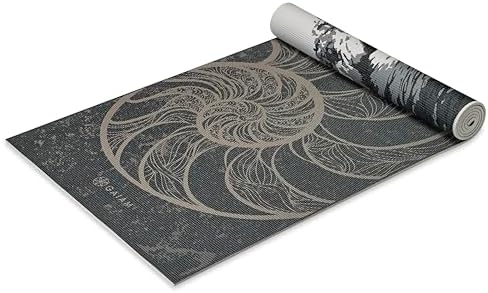
- Lightweight, durable and extra-thick for additional cushioning
- Reversible textured Sticky non-slip surface for excellent traction
- 6P free – this PVC mat is free of the phthalates dehp, dbp, bbp, dinp, didp and DNOP
Weighted Blanket for Nervous System Regulation — Weighted blankets provide Deep Touch Pressure (DTP), which mimics the feeling of being hugged and naturally boosts serotonin while reducing cortisol. Perfect for use after a somatic shaking session.

- Skin-Friendly Velvety Microfiber: The leaf-shaped weighted lap blanket is lovingly crafted from ultra-soft velvet-like f…
- Versatile Pain Relief: More than just a knee blanket, the compact weighted blanket can be used as a soothing shoulder pa…
- Chic Leaf-Shaped Design: With its unique leaf-inspired design, this travel weighted blanket isn’t just functional; it’s …
Aromatherapy Essential Oil Diffuser — Engaging your sense of smell with calming oils like lavender or frankincense can help anchor you in the present moment during your Voo breath or Havening practices.

- Fan-favorite Ultimate Aromatherapy Diffuser With 10 Essential Oils – Loved Worldwide By the Top Editors and Featured in …
- Complete Bundle – the Essence Diffuser Bundle includes an aromatherapy diffuser and 10 essential oils. Everything needed…
- Essential Oil Dispersion Technology – Essences are atomized using a vibration-powered technology – not heat – so the dif…
Integrating Somatic Practices into Your Life
Healing is not a destination; it is a daily practice. You do not need to do all five of these exercises every single day. Instead, pick one or two that resonate with you and incorporate them into your routine. Perhaps you do a body scan before getting out of bed, or practice gentle shaking after a stressful meeting at work.
By consistently engaging in somatic healing exercises, you are teaching your nervous system that it is safe to let go. Over time, you will likely find that you have more energy, less physical pain, and a deeper, more compassionate connection with yourself.
If you are looking to further support your body’s energy centers during this healing process, exploring chakra balancing for beginners can be a wonderful complement to your somatic practice, helping you align both your physical and energetic bodies.

References
[1] INTEGRIS Health. (2024). Somatic Therapy: Signs Your Body Is Releasing Trauma. https://integrishealth.org/resources/on-your-health/2024/october/somatic-therapy-signs-your-body-is-releasing-trauma
[2] Harvard Health Publishing. (2023). What is somatic therapy? https://www.health.harvard.edu/blog/what-is-somatic-therapy-202307072951
[3] Berceli, D., et al. (2014). Effects of Self-induced Unclassified Therapeutic Tremors on Quality of Life among Non-professional Caregivers: A Pilot Study. Global Advances in Health and Medicine. https://pmc.ncbi.nlm.nih.gov/articles/PMC4268601/
1 thought on “Somatic Healing Exercises You Can Do at Home Daily”