

If you are feeling overwhelmed by the fast pace of modern life, learning breathwork for beginners might be exactly what you need to find your center again. We often take our breathing for granted, treating it as just another automatic bodily function that happens without our awareness. However, when you learn to control your breath intentionally, you unlock one of the most powerful tools available to calm your mind, reduce stress, and bring your entire body back into a state of balance.
In today’s world, our minds are constantly active—worrying about deadlines, replaying past conversations, anticipating problems that may never arrive. This constant mental chatter can keep our bodies trapped in a chronic “fight-or-flight” state, flooding our system with stress hormones like cortisol and adrenaline for hours at a time. The physical toll of this is real: headaches, muscle tension, digestive problems, and poor sleep are just a few of the ways chronic stress manifests in the body.
The good news is that you do not need hours of meditation, expensive retreats, or specialized equipment to break this cycle. By practicing simple, intentional breathing exercises for just a few minutes each day, you can signal your nervous system that it is safe to relax. In this guide, we will explore the science behind conscious breathing and walk you through five accessible techniques that you can start using today to cultivate a deeper sense of peace and well-being.
Table of Contents
Why Breathwork Works: The Science of Conscious Breathing
To understand why breathwork for beginners is so effective, it helps to look at how our nervous system operates behind the scenes. Your autonomic nervous system has two main branches that work like a seesaw: the sympathetic nervous system, which controls your “fight-or-flight” response, and the parasympathetic nervous system, responsible for “rest-and-digest” functions [1].
When you are stressed, your sympathetic nervous system takes over. Your heart rate spikes, your breathing becomes shallow and rapid, your muscles tense up, and your body prepares to either fight a threat or run from it. While this response is incredibly helpful if you are facing immediate physical danger—say, a car swerving into your lane—it is utterly exhausting when triggered by everyday stressors like work emails, financial worries, or arguments with loved ones.
Here is where the breath becomes your secret weapon. Unlike your heart rate or digestion, your breathing sits at a unique crossroads between voluntary and involuntary control. You can consciously choose to slow it down, deepen it, or change its rhythm at any moment. And when you do, something remarkable happens: you activate the vagus nerve, the longest cranial nerve in your body, which sends a direct signal to your brain to switch on the parasympathetic nervous system [2]. This shift lowers your heart rate, reduces blood pressure, relaxes your muscles, and helps clear the mental fog associated with anxiety.
A landmark 2023 meta-analysis published in Scientific Reports examined multiple randomized controlled trials and concluded that breathwork interventions significantly reduced self-reported stress, anxiety, and depressive symptoms across diverse populations [4]. Even more compelling, a separate randomized controlled trial conducted by researchers at Stanford Medicine found that just five minutes a day of a specific breathing technique called “cyclic sighing” significantly reduced anxiety and improved overall mood—outperforming traditional mindfulness meditation in several key metrics [3].
“Controlled breathing exercises may have a more rapid, more direct effect on physiology than mindfulness.” — Dr. David Spiegel, Stanford Medicine [3]
These findings suggest that breathwork is not merely a relaxation trick. It is a scientifically validated method for reshaping how your nervous system responds to the world around you.
5 Breathwork Techniques for Beginners
The beauty of breathwork lies in its simplicity and accessibility. You can practice these techniques almost anywhere—at your desk during a stressful workday, in your car before a difficult meeting, or lying in bed when sleep feels impossible. Here are five beginner-friendly methods to help you calm your mind and restore inner balance.
1. Diaphragmatic Breathing (Belly Breathing)
Also known as abdominal breathing, this is the foundational technique for all breathwork for beginners. Most of us tend to breathe shallowly into our upper chests, especially when stressed. Over time, this pattern becomes habitual, and we forget what a full, deep breath actually feels like. Diaphragmatic breathing reverses this tendency by encouraging you to draw air deep into your lungs, engaging the large dome-shaped muscle at the base of your chest called the diaphragm.
When you breathe diaphragmatically, you stimulate the vagus nerve directly, sending calming signals throughout your body [2]. Research has shown that this technique can lower blood pressure, reduce heart rate, and improve heart rate variability—a key marker of resilience and overall health.
How to practice:
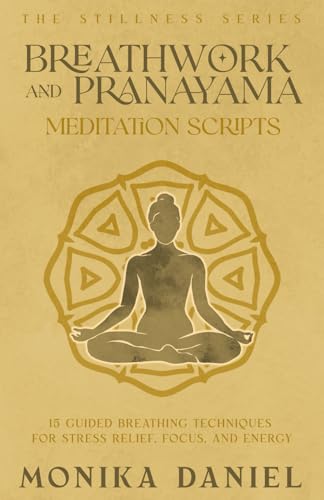
Find a comfortable seated position or lie flat on your back with your knees slightly bent. Place one hand on your chest and the other on your belly, just below your ribcage. Inhale slowly through your nose for about four seconds, focusing on making the hand on your belly rise while keeping the hand on your chest relatively still. Then exhale gently through your mouth for about six seconds, feeling your belly fall naturally. Continue this pattern for three to five minutes, allowing your body to soften and relax with each exhale.
This technique is excellent for grounding yourself in moments of overwhelm. If you enjoy this practice, you might also explore other ways to ground yourself spiritually for a deeper sense of stability.
2. Box Breathing (Square Breathing)
Box breathing is a highly effective method for regaining focus and calming a racing mind. It is so reliable for stress management that it is used by Navy SEALs, first responders, and elite athletes to stay composed under extreme pressure. The technique involves four equal steps—like the four sides of a box—making it easy to remember even when your mind feels scattered.
How to practice:
Start by exhaling all the air from your lungs completely. Then, inhale slowly through your nose while counting to four. Hold your breath gently for another count of four—without clenching or straining. Exhale smoothly through your mouth for four seconds. Finally, hold your lungs empty for a final count of four before starting the cycle again. Repeat this for four to six rounds, or continue for up to five minutes.
The silent counting acts as a form of mantra meditation, giving your mind a specific task and pulling your attention away from anxious thoughts. Many people find that box breathing creates an almost immediate sense of mental clarity, like wiping fog off a window.
3. The 4-7-8 Breathing Method
Originally developed by Dr. Andrew Weil based on the ancient yogic practice of pranayama, the 4-7-8 technique is often described as a “natural tranquilizer for the nervous system.” It is particularly beneficial if you struggle with insomnia, racing thoughts at night, or find it difficult to wind down at the end of a long day. The extended exhale is the key element here—it strongly activates the parasympathetic response, signaling your body that it is time to rest.
How to practice:
Sit comfortably with your back straight, or lie down if you are using this before sleep. Place the tip of your tongue against the ridge of tissue just behind your upper front teeth—it will stay there throughout the exercise. Exhale completely through your mouth, making a gentle whoosh sound. Close your mouth and inhale quietly through your nose to a mental count of four. Hold your breath for a count of seven. Then exhale completely through your mouth, making the whoosh sound again, to a count of eight. This completes one full breath cycle.
Repeat the cycle three more times for a total of four breaths. As you become more comfortable with the practice over weeks, you can gradually increase to eight cycles. Many people report falling asleep before they even finish the fourth breath.
4. Cyclic Sighing
Cyclic sighing is the technique highlighted in the groundbreaking 2023 Stanford Medicine study led by Dr. David Spiegel and Dr. Andrew Huberman. What makes this method special is its emphasis on prolonged exhalations combined with a unique double-inhale pattern. The study demonstrated that participants who practiced cyclic sighing for just five minutes daily experienced the greatest improvement in positive mood compared to all other breathing techniques and even mindfulness meditation [3].
How to practice:
Inhale deeply through your nose until your lungs feel comfortably full. Then—and this is the distinctive part—take a second, shorter sip of air through your nose to expand your lungs to their maximum capacity. You should feel your chest lift slightly with this second inhale. Finally, exhale very slowly and completely through your mouth, taking as long as you comfortably can to release all the air.
This double-inhale serves an important physiological purpose: it helps reinflate tiny air sacs in the lungs called alveoli, which can partially collapse when we are stressed or breathing shallowly for extended periods. By opening them up, you allow for a more efficient exchange of oxygen and carbon dioxide, which contributes to the calming effect.
The researchers found that the benefits of cyclic sighing were cumulative—the more consecutive days participants practiced, the greater the improvement in their mood and the lower their resting breathing rate became throughout the day [3].
5. Alternate Nostril Breathing (Nadi Shodhana)
Alternate nostril breathing is a traditional yogic practice that has been used for thousands of years to balance the flow of energy in the body. Known in Sanskrit as Nadi Shodhana, which translates to “channel purification,” this technique is designed to harmonize the left and right hemispheres of the brain. While it requires a bit more coordination than the other methods, it is wonderful for clearing mental clutter and sharpening your focus.
How to practice:
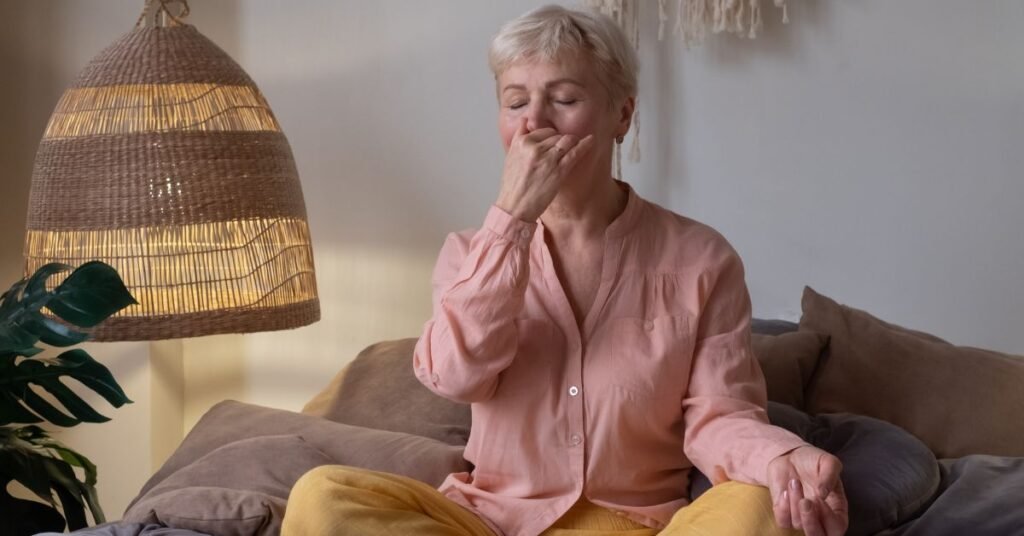
Sit comfortably with your spine tall and your left hand resting on your lap. Bring your right hand up to your face. Use your right thumb to gently close your right nostril and inhale slowly and deeply through your left nostril for about four seconds. At the top of your inhale, close your left nostril with your ring finger, release your thumb from your right nostril, and exhale slowly through the right side. Keeping the left nostril closed, inhale through the right nostril. Then close the right nostril again with your thumb, release the left, and exhale through the left nostril.
This completes one full cycle. Continue for five to ten cycles, maintaining a slow and steady rhythm. You should feel a sense of balance and calm settling over your mind.
This practice pairs beautifully with a morning meditation routine to start your day with clarity and balanced energy.
How to Build a Consistent Breathwork Practice
The key to experiencing the profound benefits of breathwork is consistency rather than duration. You do not need to dedicate an hour to the practice; even five minutes a day can create lasting changes in how your nervous system responds to stress. The Stanford study confirmed this—participants practiced for just five minutes daily and still experienced significant improvements [3].
Here are some practical ways to weave breathwork into your daily life:
Anchor it to an existing habit. Try practicing diaphragmatic breathing right after you brush your teeth in the morning, or do a round of box breathing every time you sit down at your desk. By linking breathwork to something you already do, it becomes automatic over time.
Start with one technique. Rather than trying all five at once, choose the one that resonates most with you and commit to it for at least two weeks. Once it feels natural, you can explore the others and build a personal toolkit of techniques for different situations.
Use it reactively and proactively. Breathwork is powerful both as a daily maintenance practice and as an in-the-moment rescue tool. Practice it regularly to build resilience, and also reach for it whenever you feel tension building—before it escalates into full-blown stress.
Be patient with yourself. Some days your mind will wander constantly, and that is perfectly normal. The practice is not about achieving a perfectly blank mind. It is about gently returning your attention to your breath, again and again, strengthening that muscle of awareness each time.
Recommended Tools for Your Breathwork Practice
While breathwork requires no equipment, some tools can enhance your experience and help you maintain consistency:
Meditation Cushion – Traditional Tibetan Zafu for Comfortable Seated Practice — A supportive cushion helps maintain proper posture during longer breathwork sessions.

- Velvet
- Comfort and Support: The large, ergonomic design provides exceptional comfort and support for extended meditation sessio…
- Premium Velvet Cover: A soft, luxurious velvet cover enhances comfort and adds an elegant touch to your meditation space
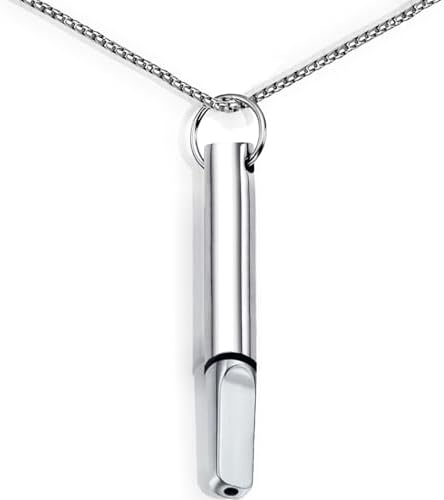
Breathing Necklace – Stainless Steel Anxiety Relief Tool — These necklaces are designed with a specific bore size that naturally slows your exhale, making it easier to practice extended exhalations throughout the day.
A5 Meditation Journal for Daily Reflection — Tracking your breathwork sessions and noting how you feel before and after can help you stay motivated and observe your progress over time.

- Comprehensive Guide to Meditation: Step-by-step instructions and tips for beginners, helping you cultivate mindfulness a…
- Full Meditation System: Structured modules for setting intentions, tracking progress, and reflecting on insights, guidin…
- Creative Reflection Pages: Space to draw symbols, images, and write down thoughts, enhancing your meditation experience …
Conclusion
Breathwork for beginners is one of the most accessible, scientifically supported, and immediately effective practices you can adopt for your mental and physical well-being. Whether you choose the simplicity of diaphragmatic breathing, the structured calm of box breathing, the sleep-inducing power of the 4-7-8 method, the research-backed effectiveness of cyclic sighing, or the balancing energy of alternate nostril breathing, you are giving yourself a gift that costs nothing and can be practiced anywhere.
The breath has always been there, quietly sustaining you. Now, by bringing conscious awareness to it, you transform it from a passive function into an active pathway toward peace. Start with five minutes today. Your nervous system will thank you.
If you are interested in exploring more ways to balance your energy and deepen your spiritual practice, you might also enjoy learning about chakra balancing for beginners.
References
[1] Cleveland Clinic. (2023). Breathwork for Beginners: What To Know and How To Get Started. https://health.clevelandclinic.org/breathwork
[2] Johns Hopkins Medicine. (n.d.). Diaphragmatic Breathing. https://www.hopkinsmedicine.org/all-childrens-hospital/services/anesthesiology/pain-management/complimentary-pain-therapies/diaphragmatic-breathing
[3] Stanford Medicine. (2023). ‘Cyclic sighing’ can help breathe away anxiety. https://med.stanford.edu/news/insights/2023/02/cyclic-sighing-can-help-breathe-away-anxiety.html
[4] Fincham, G.W. et al. (2023). Effect of breathwork on stress and mental health: A meta-analysis of randomised-controlled trials. Scientific Reports, 13, 432. https://www.nature.com/articles/s41598-022-27247-y