

Biophilic design systematically integrates nature into built environments, creating homes that support human health, wellbeing, and our innate connection with the natural world. The term “biophilia,” coined by biologist E.O. Wilson, describes humanity’s deep-seated biological need to connect with nature—a need that biophilic design satisfies through thoughtful incorporation of natural elements, patterns, and processes into living spaces. Unlike simply adding plants or nature-themed artwork, biophilic design creates comprehensive environments where nature becomes integral to your home’s structure, function, and aesthetic.
Research consistently demonstrates that biophilic design reduces stress by up to 23%, improves cognitive function, enhances creativity, and increases overall life satisfaction. Modern lifestyles have disconnected us from natural environments in ways that undermine both physical and psychological health, making biophilic design more relevant than ever. The good news? Implementing biophilic design doesn’t require dramatic renovations or excessive budgets—many principles can be applied through thoughtful additions like maximizing natural light, incorporating living plants, using natural materials, and creating views of nature.
As urban living becomes increasingly common and environmental challenges intensify, biophilic design provides essential frameworks for maintaining human connection with nature even in built environments. By learning to apply biophilic design principles, you create homes that don’t just shelter you from nature but actively connect you with it, supporting wellbeing through environments that honor our deep biological need for natural connection.
Table of Contents
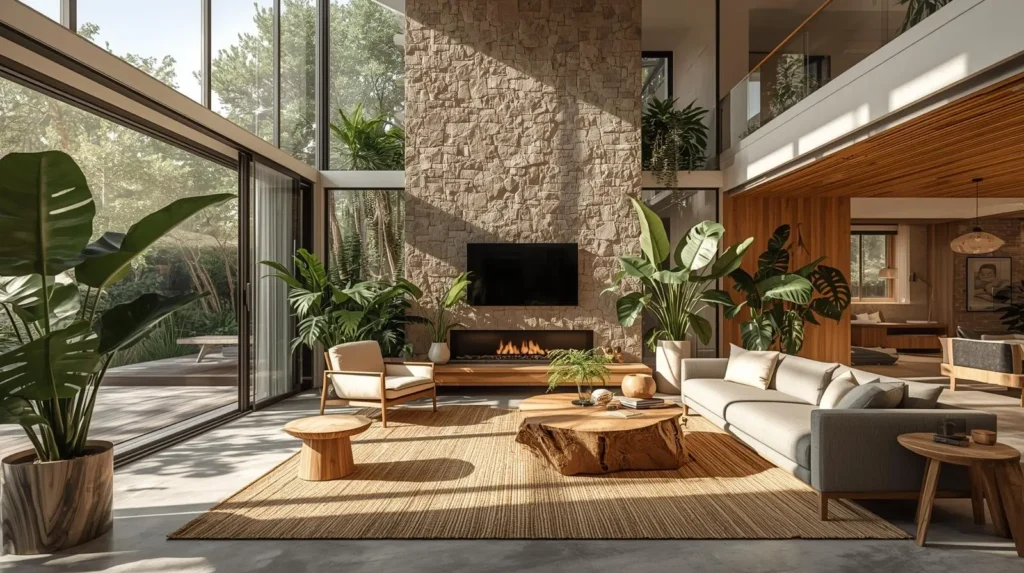
Understanding Biophilic Design Principles
Why Biophilic Design Works
Biophilic design rests on solid evolutionary science. Humans evolved in natural environments over millions of years, developing deep psychological responses to natural elements that remain hardwired in modern brains. Our ancestors’ survival depended on reading natural environments—finding water, seeking shelter, identifying food sources—creating preferences for specific natural features that biophilic design leverages today.
Stress reduction theory explains how biophilic design lowers cortisol levels and activates parasympathetic nervous system responses that promote calm. Research by environmental psychologist Roger Ulrich shows that even brief nature exposure—including views through windows or images of natural scenes—significantly reduces stress markers and promotes faster recovery from stressful events.
Attention restoration theory describes how biophilic design combats mental fatigue through “soft fascination” that allows directed attention capacity to restore. Natural environments capture attention gently and effortlessly, unlike digital devices or urban environments that exhaust cognitive resources. This restorative quality makes biophilic design particularly valuable for home offices and study spaces.
Cognitive benefits extend beyond stress reduction to include improved concentration (up to 15% productivity increase ), enhanced creativity, better problem-solving, and reduced sick days. These benefits apply to residential biophilic design just as powerfully as workplace applications, supporting everything from children’s homework to adult creative projects.
Core Biophilic Design Patterns
Direct experience of nature involves actual contact with living natural elements—indoor plants, living walls, water features, natural ventilation, sunlight, and views of outdoor nature. This represents the most powerful biophilic design intervention for supporting wellbeing.
Indirect experience of nature incorporates natural materials, colors, patterns, and forms that evoke nature without involving living elements. Wood, stone, natural fibers, nature-inspired colors, fractal patterns, and organic shapes all trigger positive responses similar to direct nature contact, making biophilic design accessible even where living plants aren’t practical.
Experience of space and place addresses how biophilic design creates connections between indoor and outdoor environments while honoring local ecology. This includes prospect and refuge (ability to see without being seen), organized complexity, transitional spaces, and integration with local landscape—creating homes that feel connected to their specific places rather than generic containers.
Maximizing Natural Light in Biophilic Design
Strategic Window Placement
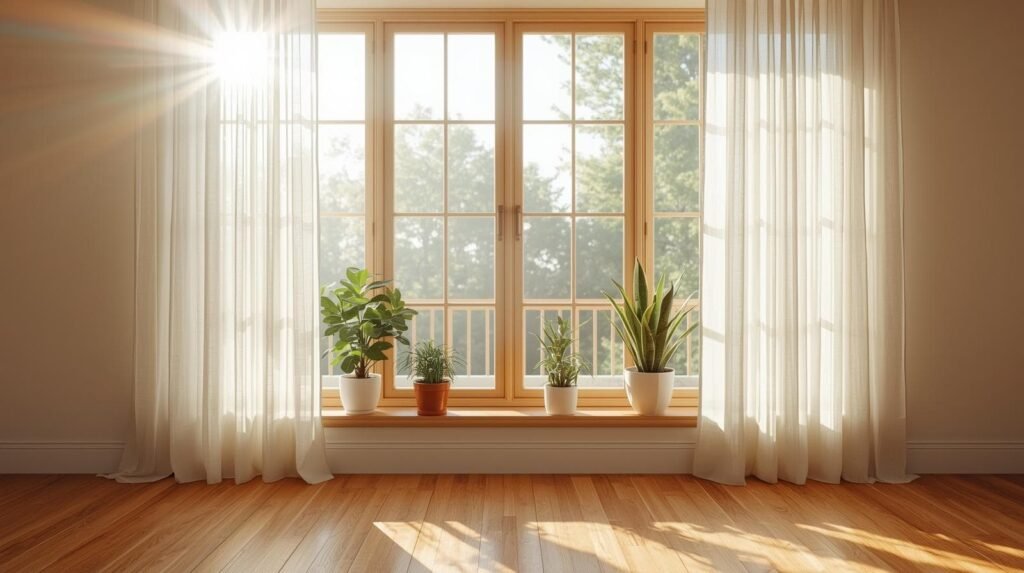
Natural light represents one of the most important elements in biophilic design, profoundly influencing circadian rhythms, mood, and overall wellbeing. South-facing windows (Northern Hemisphere) provide consistent daylight throughout the day, while east-facing windows offer energizing morning light that supports healthy sleep-wake cycles.
Window treatments in biophilic design should maximize light while providing privacy when needed. Sheer curtains, top-down bottom-up shades, or adjustable blinds allow light control without completely blocking nature views. Choose natural materials like linen, cotton, or bamboo that align with biophilic design principles.
Skylights and light tubes bring natural light into interior spaces lacking exterior walls, extending biophilic design benefits throughout homes. Skylights provide dramatic overhead light and sky views, while light tubes offer more affordable options for bathrooms, hallways, or closets.
Reflective surfaces amplify natural light through strategically placed mirrors, light-colored walls, and reflective finishes that bounce daylight deeper into rooms. This technique extends natural light’s reach without adding windows, making biophilic design more achievable in existing homes.
Supporting Circadian Rhythms
Biophilic design recognizes that natural light’s color temperature and intensity change throughout the day, providing important circadian cues that regulate sleep-wake cycles and overall health.
Morning light exposure supports healthy circadian rhythms by signaling wake time to your body’s internal clock. Prioritize east-facing windows in bedrooms and morning spaces like breakfast nooks or home offices. If east-facing windows aren’t available, consider circadian lighting systems that mimic natural dawn light.
Daytime brightness maintains alertness through light levels of 300-500 lux in living spaces—significantly brighter than typical artificial lighting but easily achieved through adequate windows and skylights.
Evening light reduction prepares bodies for sleep by allowing natural dimming as sunset approaches. Support this through dimmable lighting, warm-toned evening lights, and routines that minimize bright artificial light exposure.
Recommended Natural Light Products:
Sheer Linen Curtains – Maximize light while providing privacy
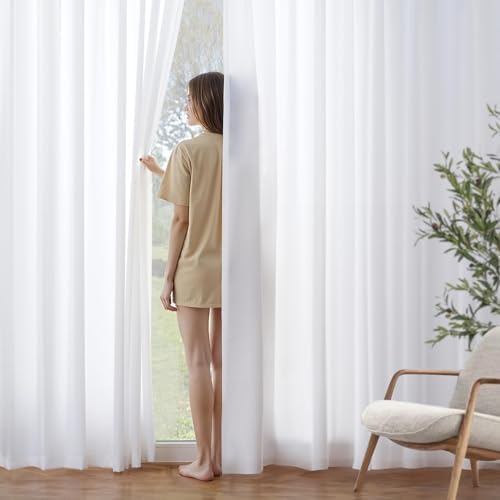
- Well Made: high-quality Non-See-Through semi-sheer curtains 2 panels per package.Each curtain panel measures 52 inch x 8…
- Quality Fabric: These curtains are pretty and light.The quality is outstanding and fabric is soft.They are smooth enough…
- Finely Crafted:The seams of the curtains are very smooth and even, with no loose threads. This excellent sewing not only…
Full Spectrum Light Bulbs – Supplement natural light naturally
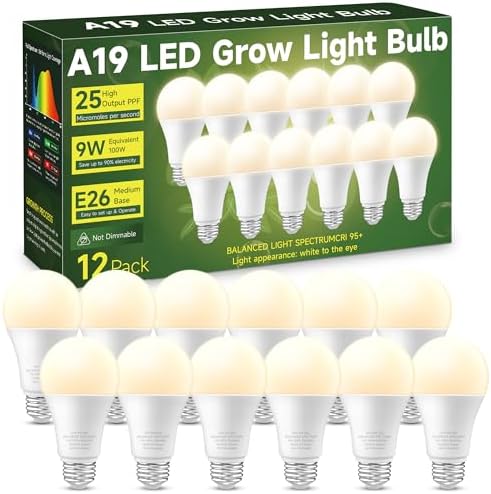
- FULL SPECTRUM LIGHT BULB: A19 grow light bulbs feature a full spectrum of light with a red/blue light spectrum similar t…
- HIGH PERFERMANCE and ENERGY SAVING: Our LED plant light bulbs deliver a 240-degree 1000LM bright light output, while onl…
- HIGH EFFICIENCY and PPF25: Our grow light bulb for indoor plants features high transmittance, which means more light can…
Adjustable Window Shades – Control light levels throughout the day

- Size Selection Guide: Blind Width: 20 inches; Fabric Width: 19 inches (Order Width 20″ = 19″ fabric width + 1″ hardware …
- Easy Installation and Measurement: Our motorized blinds with remote are easy to install and available for both inside an…
- Effortless Motorization: Embrace the Comfort of our smart motors, compatible with popular smart home systems like Alexa(…
Incorporating Plants and Living Elements
Selecting Plants for Biophilic Design
Living plants represent the most direct form of biophilic design, bringing actual nature indoors while providing air purification, humidity regulation, and psychological benefits.
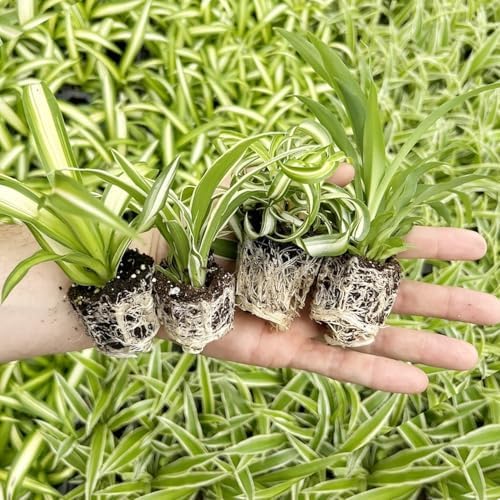
Low-maintenance options make biophilic design accessible for beginners. Snake plants (Sansevieria), pothos, ZZ plants, and spider plants thrive with minimal care while providing significant benefits. These hardy plants tolerate various light conditions and forgive occasional neglect.
Air-purifying plants enhance biophilic design by actively improving indoor air quality. NASA research identified several plants particularly effective at removing common indoor pollutants: peace lilies, Boston ferns, rubber plants, and English ivy provide both aesthetic value and functional air purification.
Varied plant sizes create layered biophilic design that mimics natural environments’ complexity. Combine large floor plants like fiddle leaf figs or monstera, medium tabletop plants like philodendrons, and small plants like succulents to create visual interest and depth.
Edible plants add functional dimensions through kitchen herb gardens or small vegetable containers. Growing basil, mint, rosemary, or cherry tomatoes indoors provides fresh ingredients while strengthening connection with food sources and natural growth cycles.
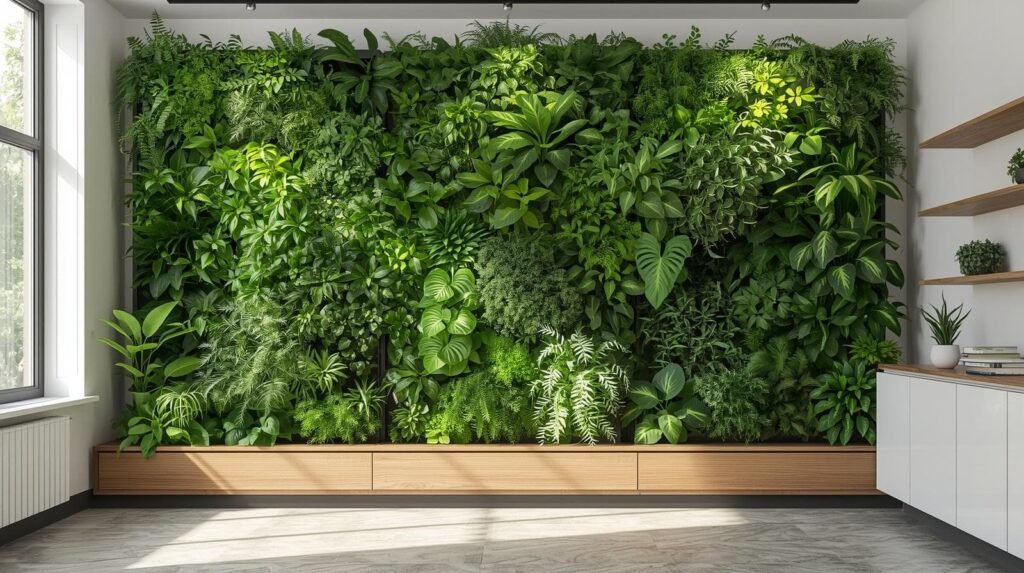
Living Walls and Water Features
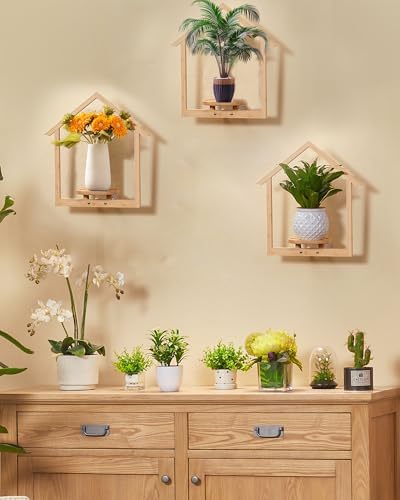
Living walls create dramatic biophilic design interventions that maximize nature presence while saving floor space. Modular living wall systems make vertical gardens accessible through pre-designed panels with integrated irrigation. Start small with 2×2 foot panels before expanding to larger installations.
DIY vertical gardens offer budget-friendly alternatives using wall-mounted planters, hanging pockets, or repurposed materials like pallets. These provide flexibility to customize vertical gardens to specific spaces while maintaining biophilic design benefits.
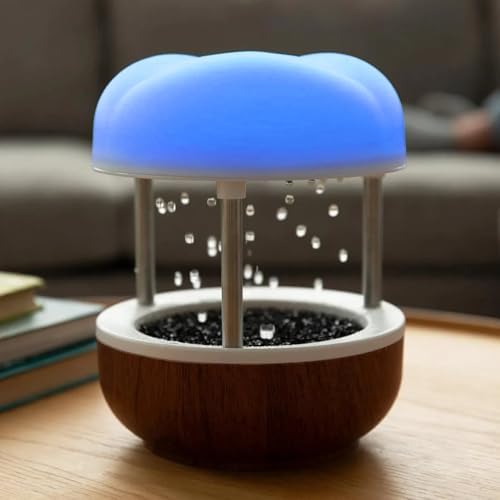
Water features engage multiple senses through sound, movement, and humidity while evoking powerful associations with water as life source. Tabletop fountains provide accessible options that fit any space and budget. The gentle sound of flowing water masks distracting noises while creating calming ambiance.
Aquariums combine water with living elements, creating complex biophilic design features that engage attention through movement and color. Even small aquariums provide substantial benefits, though they require ongoing maintenance commitment.
Recommended Plant & Water Products:
Indoor Plant Variety Pack – Start with easy-care plants


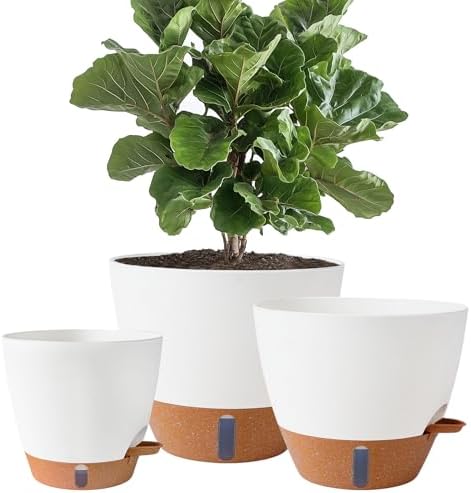
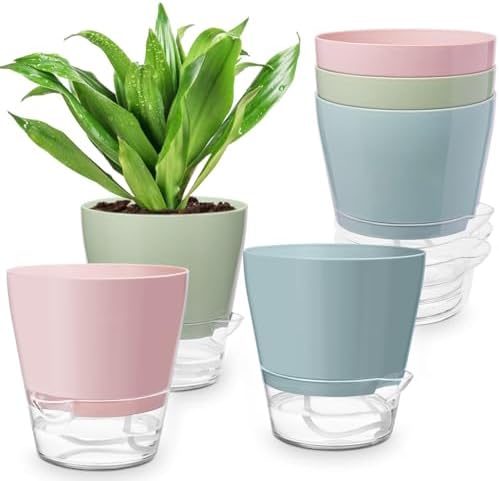
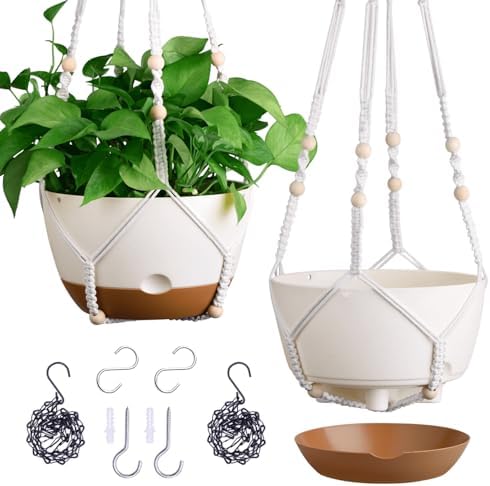
Self-Watering Planters – Reduce maintenance
Tabletop Water Fountain – Add water element


Living Wall Planter System – Create vertical gardens


Natural Materials in Biophilic Design
Wood Elements
Wood represents the most versatile natural material in biophilic design, providing warmth, texture, and direct connection with living trees.
Hardwood flooring creates foundational biophilic design through extensive natural material presence underfoot. Oak, maple, walnut, and bamboo flooring provide authentic nature connection while offering durability. If solid hardwood isn’t feasible, engineered wood or high-quality wood-look alternatives can provide similar benefits.
Exposed wood beams add dramatic elements to ceilings, creating visual interest while celebrating wood’s structural beauty. Original beams in older homes provide authentic character, while new construction can incorporate decorative beams that enhance biophilic design without structural function.
Wood furniture and accents extend biophilic design through tables, chairs, shelving, and decorative objects that showcase natural grain patterns. Choose solid wood over veneers when possible, and consider live-edge pieces that celebrate trees’ natural shapes.
Reclaimed wood adds sustainability while providing rich character and history. Barn wood, salvaged beams, and repurposed wood create unique elements with environmental benefits and authentic patina that new wood can’t replicate.
Stone and Natural Textiles
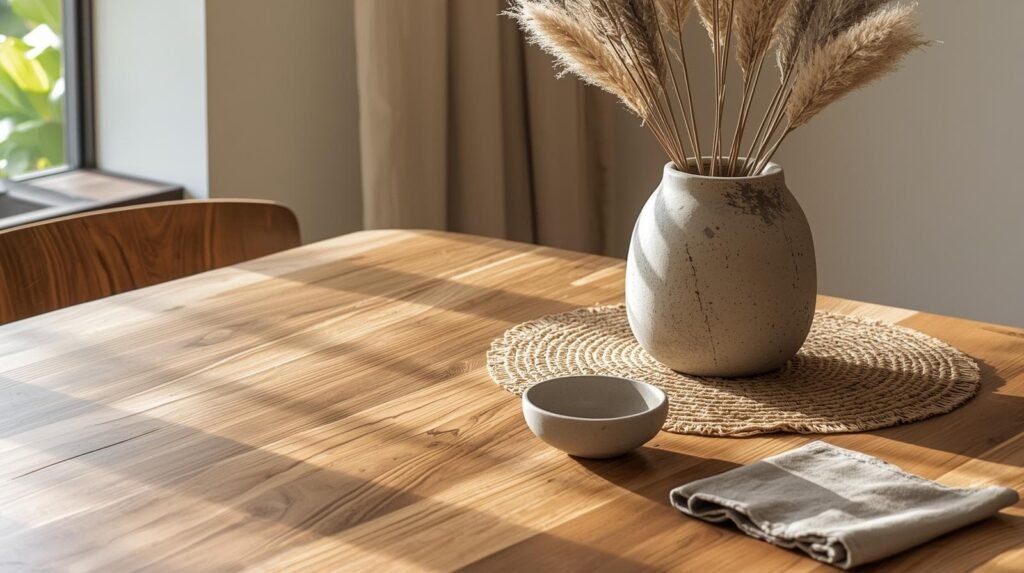
Stone elements bring earth’s ancient presence into biophilic design through materials that connect homes with geological time. Stone countertops in kitchens and bathrooms, stone flooring in entryways, and stone accent walls around fireplaces all provide durable, beautiful biophilic design foundations. Each stone slab offers unique characteristics, making every installation one-of-a-kind.
Natural textiles provide tactile nature connection through materials derived from plants and animals. Cotton and linen offer breathable comfort for bedding, curtains, and upholstery. Wool and silk add luxury through area rugs and throw blankets. Jute, sisal, and seagrass create textured options for area rugs and baskets. Bamboo and rattan provide sustainable materials for furniture, blinds, and decorative objects.
Recommended Natural Material Products:
Solid Wood Shelving – Display on natural materials

- Floating Shelves for Wall – Set of 2 Wood Floating Shelves: Add beautiful extra storage and turn empty walls into stylis…
- Floating Shelves Bathroom / Bathroom Shelves Wall Mounted: Perfect for towels, toiletries, candles, and small décor item…
- Wall Mounted Shelves with Hidden Support: Floating shelf design with no visible brackets for a clean, seamless look that…
Natural Fiber Area Rug – Ground spaces organically
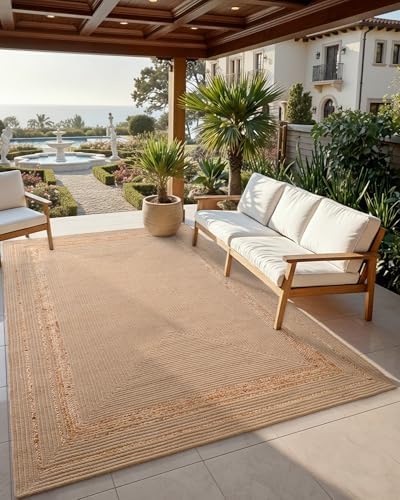
- Non-Slip Backing: Designed with jute backing, it stays firmly in place on hardwood, tile floors, providing added safety …
- Comfort Under Feet: Made from jute, it offers a comfortable and sturdy surface that’s gentle on bare feet, providing jus…
- Easy to Clean: Crafted with non-shedding construction, making it a safe and practical choice for home with kids or pets….
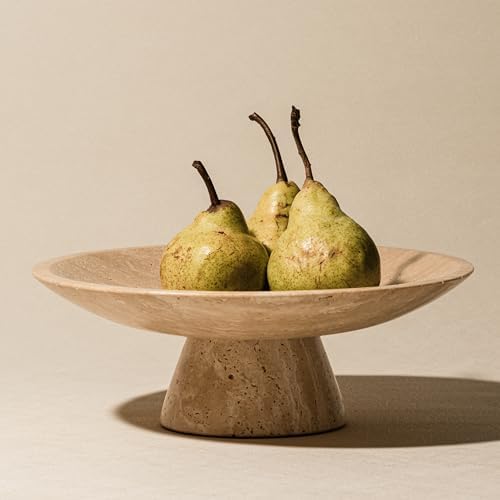
Stone Decorative Bowl – Add mineral elements

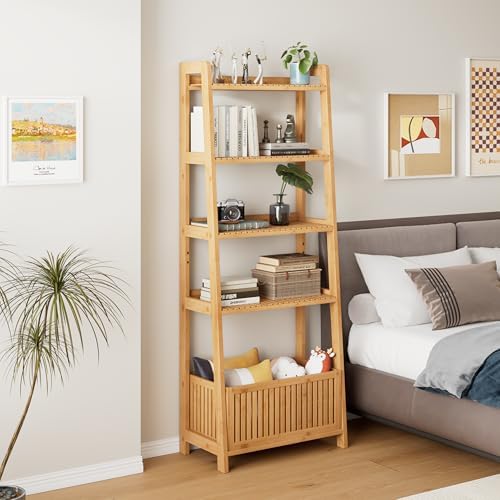
Bamboo Furniture Pieces – Sustainable natural materials


Biophilic Design Color Palettes
Nature-Inspired Colors
Color selection in biophilic design draws from natural environments, creating palettes that feel instinctively harmonious and calming.
Earth tones form the foundation through browns, tans, beiges, and warm grays that evoke soil, sand, and stone. These neutral bases provide versatile backgrounds that work with accent colors while maintaining natural aesthetic.
Green variations bring plant life into color palettes through sage, moss, olive, forest, and mint greens. These colors create immediate nature associations while supporting calm and renewal. Layer multiple green shades to mimic natural environments’ complexity.
Blue tones evoke water and sky through navy, teal, aqua, and soft blue-grays. These colors promote tranquility and openness, working particularly well in bathrooms, bedrooms, and meditation spaces.
Natural accent colors add vitality through terracotta, rust, ochre, and warm yellows that reference flowers, sunsets, and autumn leaves. These prevent biophilic design from feeling monotonous while maintaining nature connection.
What to Avoid
Biophilic design generally avoids highly saturated artificial colors that don’t appear in nature, instead favoring muted, complex tones that feel organic. Neon and fluorescent colors have no place in biophilic design. If you love bright colors, choose versions with natural undertones rather than synthetic intensity.
Pure white can feel sterile—instead, choose warm whites with cream, beige, or gray undertones that feel more organic. These softer whites work better with natural materials and lighting.
Creating Indoor-Outdoor Connections
Transitional Spaces
Blurring boundaries between indoor and outdoor spaces represents a key biophilic design strategy that extends nature connection throughout homes.
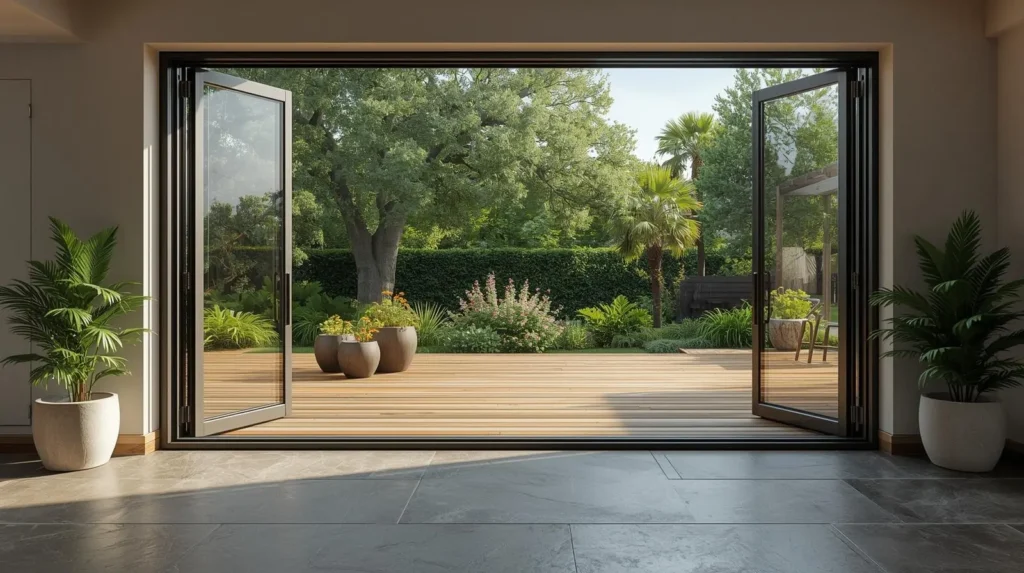
Large glass doors create seamless transitions through sliding, folding, or French doors that open living spaces to patios, decks, or gardens. When open, these doors eliminate barriers between inside and outside, extending living space while maximizing nature connection.
Screened porches and sunrooms provide protected spaces that offer outdoor experience with weather protection. These transitional rooms allow year-round nature connection while protecting from insects, rain, or extreme temperatures.
Indoor-outdoor flooring extends biophilic design by using the same or similar materials inside and outside, visually connecting spaces. Stone, tile, or concrete can flow from interior to exterior, creating unified environments that enhance nature connection.
Consistent plant palettes strengthen indoor-outdoor connections by using similar plants inside and immediately outside. This makes transitions feel natural rather than abrupt.
Views and Visual Connections
Even without physical access to outdoor spaces, visual connections with nature provide significant biophilic design benefits.
Framing views through thoughtful window placement and landscaping creates focal points that draw attention to nature. Consider what each window frames, potentially adding outdoor features like bird feeders, water features, or specimen plants that enhance views.
Removing visual barriers between indoor spaces and nature views maximizes benefits. Minimize window treatments during daytime, avoid placing furniture that blocks views, and consider removing interior walls that obstruct nature sightlines.
Creating views where none exist extends biophilic design to spaces without exterior walls through interior windows, skylights, or high-quality nature photography and artwork. While not equivalent to actual views, these alternatives provide some benefits in otherwise view-less spaces.
Recommended Indoor-Outdoor Products:
Outdoor-Indoor Area Rug – Durable for transitional spaces

- [STAIN, WEATHER, & UV-RESISTANT]: Expertly machine-woven from enhanced synthetic durable fibers that are stain, weather,…
- [KID APPROVED AND PET-FRIENDLY]: Safe for everyday indoor or outdoor high foot traffic and areas more prone to life’s un…
- [TRENDY STYLE]: Design works beautifully in any room, including the patio, deck, porch, backyard, sunroom, kitchen, dini…
Folding Patio Doors – Create seamless connection

- These aluminum folding patio doors offer a stylish and practical solution for seamlessly connecting your indoor and outd…
- Featuring a durable aluminum construction and a clean white finish, these 96″ x 80″ doors are designed to withstand the …
- The 3-panel folding design maximizes space and provides flexible access to your patio, allowing you to easily adjust the…
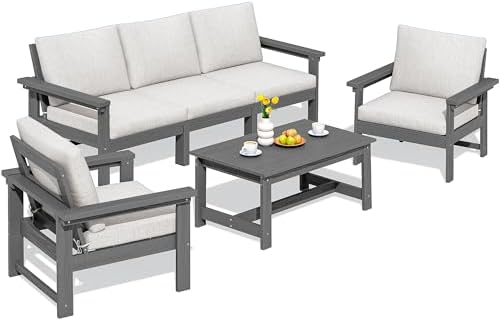
Weather-Resistant Furniture – Furnish transitional spaces

Room-by-Room Biophilic Design
Living Rooms
Large plants make dramatic statements through fiddle leaf figs, monstera, or bird of paradise positioned in corners or flanking furniture. These create immediate nature presence while improving air quality.
Natural material furniture extends biophilic design through wood coffee tables, stone accent tables, and upholstery in natural fibers. Choose pieces that celebrate materials’ natural characteristics.
Nature views should be prioritized by arranging seating to face windows with outdoor views. If views are limited, create nature focal points through large plant groupings or nature-inspired artwork.
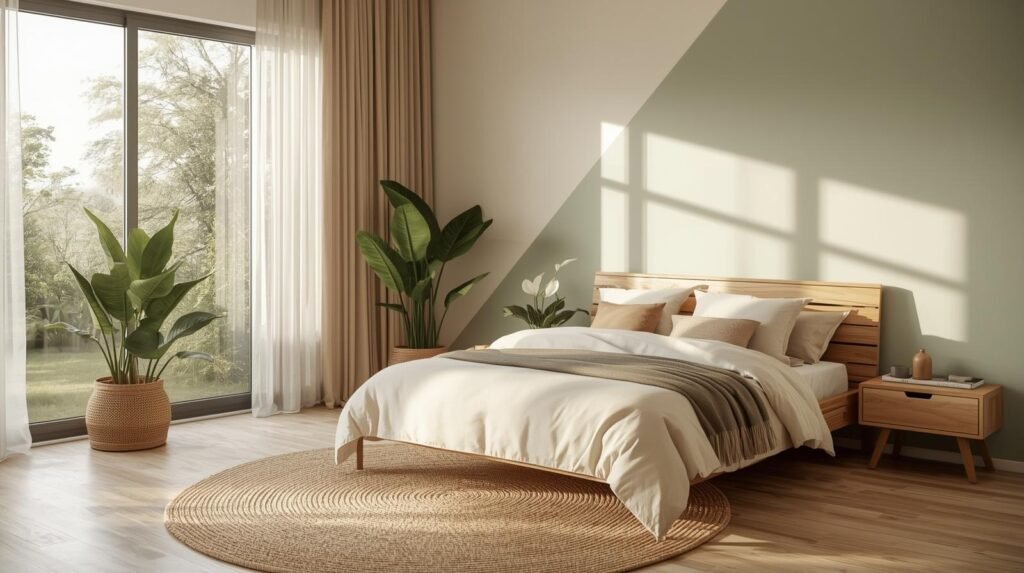
Bedrooms
Natural bedding provides tactile biophilic design through organic cotton, linen, or bamboo sheets and natural fiber blankets. These materials feel better against skin while supporting temperature regulation for better sleep.
Plants for bedrooms should be chosen carefully—snake plants and peace lilies release oxygen at night, making them excellent choices. Avoid heavily scented plants that might disrupt sleep.
Natural light control balances light maximization with sleep requirements through blackout curtains or shades that can be fully opened during day and completely closed at night.
Kitchens
Herb gardens provide functional biophilic design through windowsill planters or countertop gardens that supply fresh herbs while creating living green presence. This connection between food and growing plants strengthens nature awareness.
Natural materials extend through wood cutting boards, stone countertops, and ceramic dishware that celebrate natural materials’ beauty and function.
Views while cooking enhance biophilic design by positioning sinks or prep areas to face windows with nature views.
Bathrooms
Humidity-loving plants thrive in bathrooms, including ferns, orchids, and air plants that appreciate moisture-rich environments. These transform bathrooms into nature-connected sanctuaries.
Natural stone creates luxurious biophilic design through stone countertops, tile, or pebble floors that evoke natural water environments.
Natural light enhances bathrooms through windows, skylights, or light tubes that eliminate cave-like feelings while supporting circadian rhythms.
Budget-Friendly Biophilic Design
Low-Cost Strategies
Rearranging furniture to maximize nature views and natural light provides free improvements. Move desks to face windows, reposition beds to receive morning light, and remove furniture blocking nature sightlines.
Adding plants represents the most cost-effective intervention. Start with inexpensive, easy-care plants from local nurseries or propagate cuttings from friends’ plants.
Decluttering supports biophilic design by removing visual chaos that competes with nature elements for attention. Simplified spaces allow natural elements to shine.
Nature collections bring free biophilic design through found objects like interesting stones, driftwood, pinecones, or shells displayed in bowls or on shelves.
DIY Projects
Building plant stands from reclaimed wood creates custom displays while showcasing natural materials. Simple designs require minimal woodworking skills.
Creating nature art through pressed flowers, leaf prints, or nature photography brings personalized elements to walls. Frame creations in natural wood frames for cohesive design.
Making natural dye textiles connects with traditional crafts through pillows, curtains, or wall hangings colored with plant-based dyes.
Recommended Budget Products:
Propagation Station – Grow new plants from cuttings

- Faith-Inspired and Functional – Featuring the words “Rooted in Grace,” this wooden propagation station encourages spirit…
- Spacious and Flourishing – Designed with 5 test tubes, this plant propagation station gives you plenty of space to root …
- Compact and Charming – This plant propagation holder’s compact design makes it a lovely addition to desks, kitchen count…
Natural Wood Picture Frames – Display nature photography

- HANDMADE AND UNIQUE – Each wood frame is a one-of-a-kind work of art, featuring intricate designs and beautiful detailin…
- QUALITY CRAFTMANSHIP – Your frame has been painstakingly hand-carved and hand-painted by artisans using traditional tech…
- SUSTAINABLE AND HIGHLY DURABLE – Crafted using Mango Wood that is sustainable and highly durable, this will last and loo…
Plant Starter Kit – Begin affordably

- COMPLETE INDOOR HERB GARDEN STARTUP KIT – EVERYTHING INCLUDED.This ultimate herb garden kit is a true all-in-one herb st…
- PREMIUM QUALITY SEEDS & SOIL – GUARANTEED TO SPROUT.Experience the unparalleled freshness of home-grown herbs! Our herb …
- THE PERFECT UNIQUE GIFT FOR WOMEN & PLANT LOVERS.Beautifully packaged and gift-ready, this herb kit makes a memorable bi…
Measuring Success
Track Your Progress
Plant count and coverage provides simple metrics—aim for at least one substantial plant per room, with total plant coverage of 5-10% of floor space for significant impact.
Natural light levels can be measured using light meters or smartphone apps. Target 300-500 lux in living spaces during daytime hours.
Natural material percentage tracks how much of your home features authentic natural materials versus synthetic alternatives. Successful biophilic design typically includes 40-60% natural materials in visible surfaces.
Notice the Difference
Stress reduction represents a primary goal—notice whether you feel calmer and more relaxed in redesigned spaces. Track stress levels through journaling or simple self-assessment.
Connection with nature should strengthen through implementation. Notice whether you feel more aware of natural cycles, seasons, and outdoor conditions.
Space satisfaction typically increases with successful biophilic design. Pay attention to whether you enjoy spending time in redesigned spaces and feel reluctant to leave them.
Frequently Asked Questions
What is biophilic design and how does it differ from simply adding plants?
Biophilic design is a comprehensive approach integrating nature through multiple strategies including natural light, living elements, natural materials, nature views, and organic patterns. While plants are one element, complete implementation addresses lighting, materials, colors, spatial design, and sensory experiences for holistic nature connection.
Can I implement biophilic design in a small apartment?
Yes, biophilic design works in any space size. Focus on maximizing natural light through window treatments, adding appropriate-scale plants, using natural materials in furniture and textiles, and creating nature views through windows or artwork. Even small interventions provide significant benefits.
Is biophilic design expensive to implement?
Biophilic design can be implemented at any budget level. Low-cost strategies include rearranging furniture to maximize natural light, adding inexpensive plants, decluttering to highlight natural elements, and collecting natural objects. More substantial investments provide greater impact but aren’t necessary for meaningful benefits.
What are the best plants for biophilic design beginners?
Start with low-maintenance plants like pothos, snake plants, ZZ plants, or spider plants that tolerate various conditions and forgive occasional neglect. These hardy plants provide substantial benefits while you develop plant care skills.
How do I maintain biophilic design elements?
Plant maintenance varies by species but generally includes regular watering, occasional fertilizing, and pruning. Natural materials require appropriate cleaning—wood needs periodic conditioning, stone should be sealed, and natural textiles benefit from gentle washing. Start with low-maintenance elements and expand as you develop routines.
Conclusion: Creating Nature-Connected Homes
Biophilic design offers powerful frameworks for creating homes that support wellbeing through systematic nature integration. By understanding and applying core principles—maximizing natural light, incorporating living plants, using natural materials, creating indoor-outdoor connections, and choosing nature-inspired colors—you transform ordinary houses into environments that actively support health and happiness.
Start with accessible changes like adding plants and maximizing natural light, then gradually expand your implementation as skills and budgets allow. Even small interventions provide measurable benefits, while comprehensive implementation creates transformative environments that profoundly influence daily experience.
The beauty of biophilic design lies in its accessibility—regardless of home size, budget, or climate, everyone can implement principles that strengthen nature connection and support wellbeing. Whether designing new construction or gradually adding nature elements to existing spaces, the goal remains the same: creating homes that honor humanity’s innate need for nature connection while supporting modern living requirements.
Related Articles
Explore these complementary guides to create harmonious, nature-connected homes:
•Feng Shui Colors for Each Room: Complete Guide – Color selection for harmonious spaces
•Minimalist Living Room Ideas: Zen-Inspired Design – Simplified living spaces
•How to Ground Yourself Spiritually: 8 Techniques – Connect with earth energy
References
[1] Wilson, E.O. (1984). Biophilia. Harvard University Press.
[2] Kellert, S.R., Heerwagen, J., & Mador, M. (2008 ). Biophilic Design: The Theory, Science and Practice of Bringing Buildings to Life. Wiley.