

Your bedroom should be a sanctuary—a place where the chaos of the world dissolves and you can truly rest, recharge, and reconnect with yourself. Yet for many people, bedrooms have become cluttered storage spaces, home offices, entertainment centers, and catch-all rooms that serve every purpose except the one that matters most: peaceful sleep and restoration.
Zen bedroom design offers a solution to this modern dilemma. Rooted in Japanese Buddhist philosophy and refined through centuries of practice, these principles create spaces that naturally promote relaxation, mental clarity, and deep rest. A zen bedroom isn’t just aesthetically pleasing—it’s functionally designed to support your physical, mental, and spiritual wellbeing.
The core philosophy is elegantly simple: eliminate the unnecessary to reveal the essential. This doesn’t mean your bedroom must be stark or uncomfortable. Instead, every element is chosen intentionally, serves a purpose, and contributes to an atmosphere of tranquility. The result is a space that feels spacious even when small, calming even when the world outside is chaotic, and deeply restorative.
Research supports what zen practitioners have known for centuries: our physical environment profoundly affects our mental state and sleep quality. Cluttered, chaotic spaces increase cortisol (stress hormone) levels, while organized, minimal environments promote relaxation and better sleep [1]. The colors, textures, lighting, and arrangement of your bedroom all influence how quickly you fall asleep, how deeply you sleep, and how rested you feel upon waking.
This comprehensive guide will walk you through everything you need to know to create your own zen bedroom sanctuary. You’ll learn foundational design principles, discover specific color palettes and furniture choices that promote serenity, explore lighting strategies for better sleep, and receive 15 practical ideas you can implement immediately—whether you’re completely redesigning your bedroom or making small adjustments to your current space.
Table of Contents

The Foundation: Seven Principles of Zen Bedroom Design
Understanding these core principles helps you make decisions that align with zen philosophy, rather than simply copying aesthetic elements without grasping their purpose. Each principle builds upon the others, creating a cohesive approach to bedroom design.
Simplicity: The Art of Intentional Minimalism
Zen design embraces kanso (簡素)—the elimination of clutter and the celebration of simplicity. In practice, this means every item in your bedroom should either serve a functional purpose or bring you genuine joy and peace. That decorative vase you don’t really like? The exercise equipment you haven’t used in months? The stack of books you’ll never read? All of these create visual and energetic clutter that disrupts the room’s peaceful atmosphere.
This principle extends beyond physical objects to include patterns, colors, and even furniture styles. Clean lines, unadorned surfaces, and thoughtful negative space all contribute to a sense of calm. When your eyes have fewer things to process, your mind can more easily relax—creating the mental space necessary for true rest. This aligns beautifully with zen minimalism and mindful decluttering practices that extend throughout your home.
Natural Materials: Connecting to the Earth
The second principle favors materials that come from nature: wood, stone, cotton, linen, wool, and bamboo. These organic materials connect us to the natural world and create environments that feel alive rather than synthetic. Unlike plastic or manufactured materials, natural elements age beautifully, developing patina and character over time rather than simply looking worn out. This aligns with the zen appreciation for impermanence and the beauty of aging—concepts central to wabi-sabi design philosophy.
Beyond aesthetics, natural materials offer practical benefits. They regulate humidity, don’t off-gas harmful chemicals, and create healthier sleeping environments. Wood furniture, linen bedding, wool rugs, and cotton curtains all contribute to better air quality and more comfortable temperature regulation. The subtle textural interest they provide adds warmth without creating visual clutter.
Color as Calm: The Neutral Palette Approach
Zen bedrooms use colors found in nature—the soft neutrals of stone, sand, wood, and sky. These muted, harmonious tones create a sense of calm and don’t overstimulate the nervous system before sleep. Unlike bright, saturated colors that energize and stimulate, neutral earth tones have a grounding, calming effect. They also create a timeless aesthetic that won’t feel dated or require frequent updates.
Color psychology research confirms that cool, muted colors promote relaxation and better sleep, while bright, warm colors increase alertness and energy [1]. This doesn’t mean your bedroom must be boring or monochromatic—rather, it means choosing a harmonious base palette and adding depth through varied tones, textures, and carefully selected accents. We’ll explore specific color combinations later in this guide.
Balance and Harmony: Creating Visual Peace
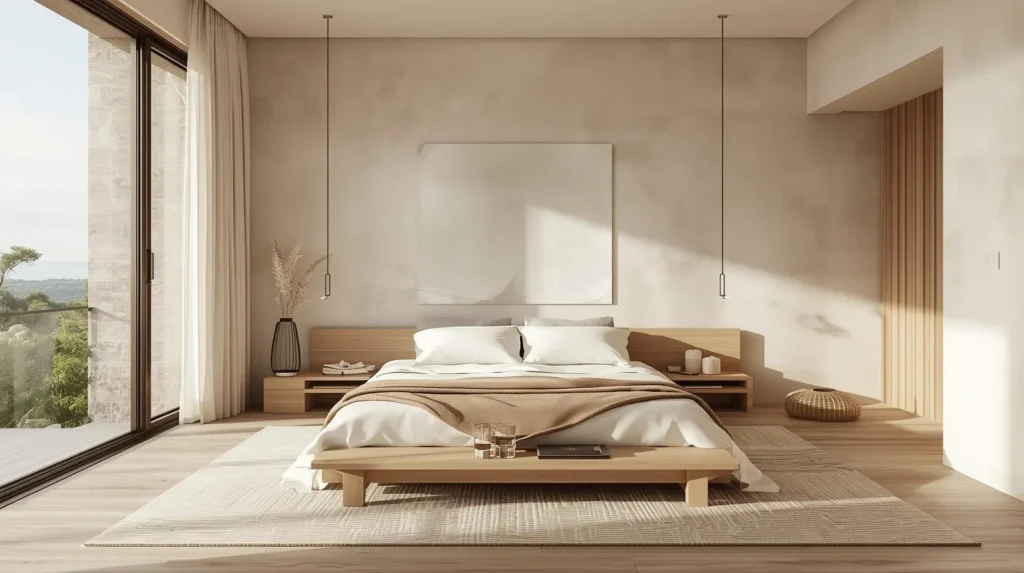
Zen design seeks wa (和)—harmony and balance. This doesn’t mean perfect symmetry, which can feel static and lifeless. Instead, it means creating visual equilibrium where no single element dominates or creates tension. Balance in a zen bedroom includes visual balance (arrangement of furniture and objects), textural balance (mixing smooth and rough, soft and hard), tonal balance (light and dark values), and energetic balance (yin and yang, active and passive).
This principle overlaps significantly with feng shui bedroom principles, which also emphasize the importance of balanced energy flow and harmonious arrangement. When spaces feel balanced, they inherently feel more peaceful. Visual tension—even if we don’t consciously notice it—creates subtle stress that interferes with relaxation.
Nature Connection: Bringing the Outside In
Zen philosophy recognizes no separation between humans and nature. This principle, called shizen (自然), encourages incorporating living plants, natural light, views of nature, and organic shapes into the bedroom. Biophilic design research shows that connection to nature reduces stress, improves mood, and enhances sleep quality. Even small natural elements—a single plant, a smooth stone, a piece of driftwood—make measurable differences in how we feel in a space.
The Power of Empty Space
In Japanese aesthetics, empty space (ma, 間) is not absence but presence. It’s the pause between notes in music, the blank canvas that allows the painting to breathe, the silence that makes sound meaningful. In zen bedroom design, empty space is as important as the objects in the room. It allows the eye and mind to rest, creates a sense of spaciousness, and prevents the room from feeling cluttered even with minimal furnishings.
This might be the most challenging principle for Western sensibilities, where we’re often taught to “fill” empty spaces. Resist this urge. Leave walls mostly bare. Keep floor space open and clear. Don’t fill every corner or surface. Create breathing room around furniture. The empty space you create becomes a gift to your nervous system—a place for your mind to settle rather than constantly processing visual information.
Lighting: The Circadian Rhythm Connection
The final principle recognizes that light profoundly affects our circadian rhythms, mood, and ability to sleep. Zen bedrooms maximize natural light during the day and create soft, warm, dimmable lighting for evening. Harsh overhead lighting and blue-spectrum light (from screens and LED bulbs) disrupt sleep hormones and interfere with the body’s natural preparation for rest.
Proper lighting supports both guided sleep meditation practices and energizing zen morning routines. Light is the primary regulator of circadian rhythm—exposure to bright light in the morning promotes wakefulness, while dim, warm light in the evening signals the body to produce melatonin (the sleep hormone).
Color Palettes That Promote Serenity
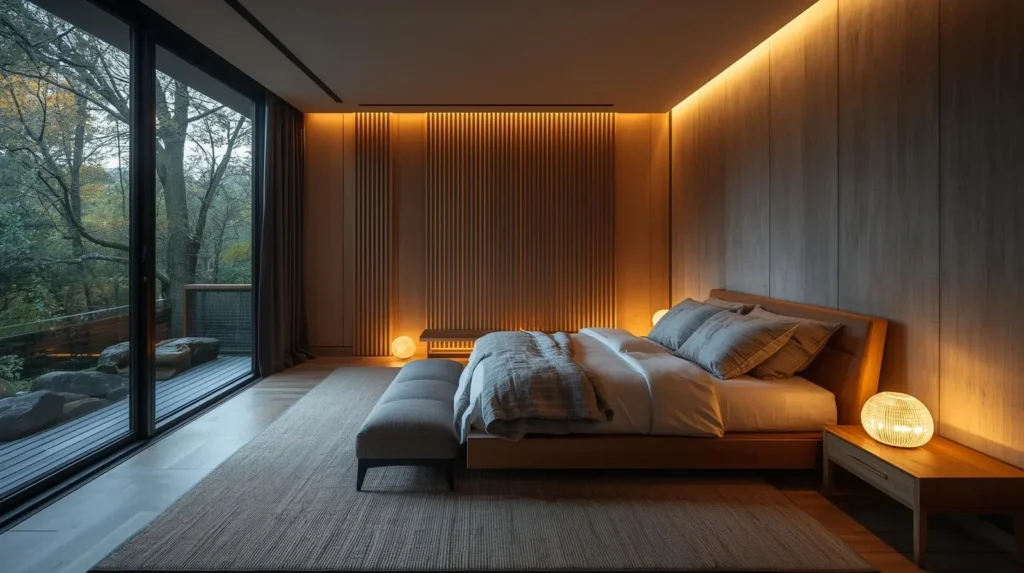
Now that we understand the principles, let’s explore how to apply them through color. The right palette promotes relaxation, while the wrong colors can subtly energize and disrupt sleep. Think of color as setting the emotional tone for your sanctuary.
Building Your Foundation
Start with a neutral base that creates a calm, grounded foundation. Avoid stark white, which feels clinical and creates glare. Instead, choose warm whites with slight yellow or beige undertones—colors like Benjamin Moore’s “Swiss Coffee” or Farrow & Ball’s “Pointing.” These create softness and warmth while reflecting light without harshness.
Beiges and taupes offer another excellent foundation, ranging from pale sand to deeper taupe. These warm, grounding neutrals work particularly well in rooms with good natural light, creating a cozy, enveloping feeling. Popular choices include “Accessible Beige,” “Revere Pewter,” and the increasingly popular “Greige” (gray-beige hybrids).
Soft grays provide a cooler alternative, though it’s important to choose warm grays with beige or brown undertones rather than cool grays that can feel sterile. These create a serene, contemplative atmosphere and work in both warm and cool-toned rooms. Consider “Agreeable Gray,” “Repose Gray,” or “Edgecomb Gray.”
Adding Depth Through Accent Colors
Once you have your neutral base, add depth through carefully chosen accents. Muted greens—sage, moss, olive, celadon—connect to nature and provide calming, restorative energy. Use these in textiles, plants, or small painted accents to represent growth and renewal without overwhelming the space.
Dusty blues evoke sky and water, and research shows they can lower heart rate and blood pressure. Soft blue-gray, slate blue, or powder blue work beautifully as accent colors, though use them sparingly to avoid the room feeling cold. These represent tranquility and peace.
Warm earth tones like terracotta, rust, clay, and warm brown add grounding, stabilizing energy. They’re particularly effective for adding warmth to cool-toned rooms. Use these in small doses—a pillow, throw, or pottery piece—to represent earth and stability without creating visual heaviness.
Finally, charcoal and deep grays provide contrast and depth, grounding lighter colors. Use these in furniture, frames, or accents, but avoid making them dominant colors, as they can feel heavy in large quantities.
Four Color Combinations That Work
Monochromatic Serenity uses various shades of one color family—for example, warm white walls, beige bedding, taupe curtains, and a cream rug. This creates ultimate calm and cohesion, is easy to execute successfully, and never feels busy or overwhelming.
Natural Harmony combines warm neutrals with muted green—beige walls, white bedding, sage green throws, and natural wood furniture. This brings nature indoors with a fresh but calming aesthetic that works in any size room.
Coastal Zen pairs soft grays with dusty blue—gray walls, white bedding, blue-gray accents, and driftwood elements. This creates a serene, spacious feeling that evokes beach and sky, working best in rooms with good natural light.
Earthy Warmth combines warm beige with terracotta—warm white walls, linen bedding, terracotta accents, and rich wood tones. This creates a cozy, grounding atmosphere that works particularly well in cooler climates, creating an intimate, womb-like feeling.
Avoid bright, saturated colors (red, orange, bright yellow, electric blue) that stimulate the nervous system and increase alertness. Skip stark white, which feels too clinical. And steer clear of dark, heavy colors as dominant tones, as well as busy patterns and high-contrast combinations that create visual stimulation preventing relaxation.
Essential Furniture: What You Actually Need
Zen bedroom design asks a simple question before adding any piece of furniture: “Is this necessary?” The goal is to include only what serves your sleep, rest, and morning/evening routines. This approach creates spaciousness and calm while eliminating the visual noise of superfluous furniture.
The Bed: Your Only True Essential
The bed is the only truly essential piece of furniture in a bedroom. Everything else is optional. For zen aesthetics, choose low-profile platform beds or simple wooden frames with clean lines. Avoid ornate carved headboards, bulky sleigh beds, or beds with built-in storage that becomes a clutter magnet.
Japanese platform beds offer the most authentic zen aesthetic—low to the ground, simple construction, and natural wood finish. If this style doesn’t suit your needs, look for minimalist wooden platform frames, low-profile upholstered frames in natural linen, or simple metal frames. The key is proportion—don’t overwhelm your space with an oversized bed.
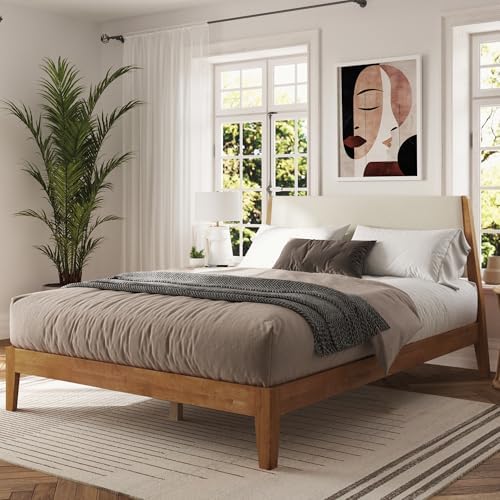
For those seeking quality platform beds, the Zinus Moiz Wood Platform Bed offers excellent value with its clean lines and solid wood construction. For a more premium option, the Thuma Bed features Japanese-inspired design with no tools required for assembly.

Nightstands: Simple and Functional
If you need bedside storage for essentials—lamp, book, water, phone—choose simple nightstands. Small and simple designs in natural wood or stone work best, with one drawer or shelf maximum. The nightstand should be proportional to your bed height, creating visual harmony.
Alternatives include a small wooden stool, floating shelf, simple side table, or even stacked books or a wooden box. The Lifewit Small Nightstand offers minimalist design with just enough storage, while floating shelves like the WELLAND Floating Shelf create visual lightness.
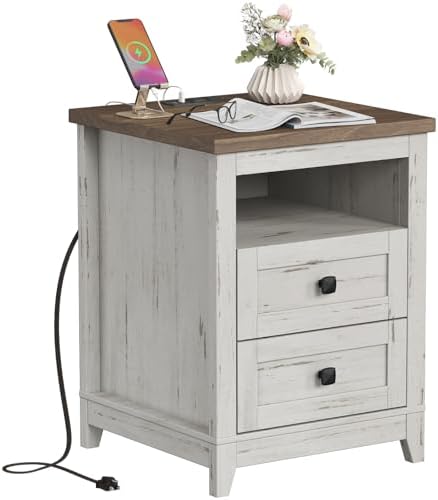
- Stand Dimensions: Measuring 18″L(45.7cm)×18″W(45.7cm)×24″H(60.5cm), this nightstand boasts two drawers and an open compa…
- Wooden Farmhouse Nightstand: Rustic barn door design with generous space, this bedside table serves as both a storage un…
- Built-in Power Outlet: Featuring a charging station with 2 AC outlets and 2 USB ports, this end table includes a 2.3-inc…
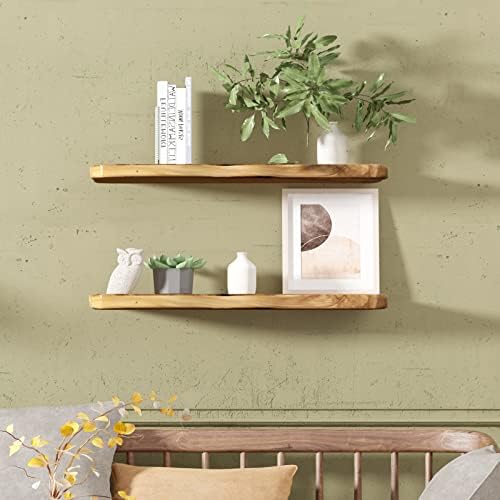
- Handcrafted Quality – Made from 100% solid cedar wood, these live-edge floating shelves combine strength, durability, an…
- Unique Appearance – Skilled artisans hand-select, cut, and splice each wood slab to preserve its natural edge. The resul…
- Study & Load bearing – Through rigorous testing and design refinements, we’ve created a solid metal bracket system capab…
Optional Seating: A Place for Stillness
A place to sit while dressing or meditating can be valuable, but choose carefully. Simple wooden benches at the foot of the bed, floor cushions (zafu) for meditation, small upholstered chairs in natural fabric, or wooden stools all work well. Avoid large armchairs, recliners, or office chairs that crowd the room and create the wrong energy.
For meditation practice, a traditional Zafu Meditation Cushion provides authentic support. For a multi-purpose bench, the Assembly Wood Bench offers clean lines and solid construction.

- Sturdy and comfortable cover
- Fill with natural buckwheat hulls, adjustable with a zipper opening
- Convenient handle for carrying and double stitched for extra strength
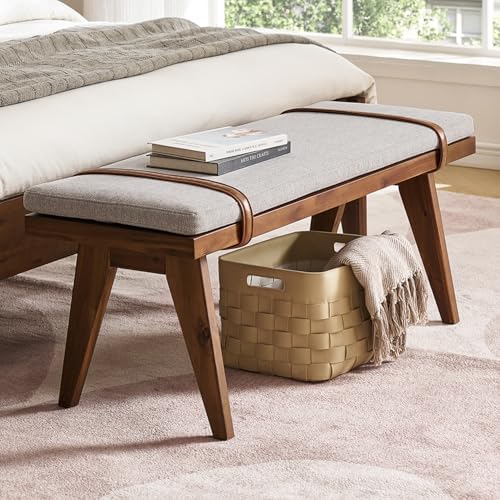
- Dimensions: Overall: 44.9 (W) x 15.8 (D) x 17.3 (H) inches
- Weight Capacity: Sturdy construction supports up to 2 x 220 lbs
- Construction: Built with sturdy legs for excellent stability and long-lasting use
What to Eliminate: Furniture That Doesn’t Serve Rest
Televisions don’t belong in zen bedrooms. They emit blue light that disrupts sleep, create mental stimulation before bed, and turn the bedroom into an entertainment space rather than a rest sanctuary. If you absolutely must have a TV, hide it in a cabinet or behind a screen that can be closed when not in use.
Desks and workspaces also don’t belong in bedrooms. Working in your bedroom associates the space with stress and productivity rather than rest. Your brain learns that the bedroom is for work, making it harder to relax there. Create a dedicated workspace elsewhere, even if it’s just a small corner of another room.
Large dressers often become clutter magnets and take up significant visual and physical space. Instead, use built-in closet organization, maintain a minimalist wardrobe (fewer clothes, higher quality), utilize under-bed storage (out of sight), or place a small chest of drawers inside your closet.
Exercise equipment, large bookshelves, and multiple decorative furniture pieces all detract from the bedroom’s primary purpose. These belong in dedicated spaces elsewhere in your home.
Arranging for Flow and Balance
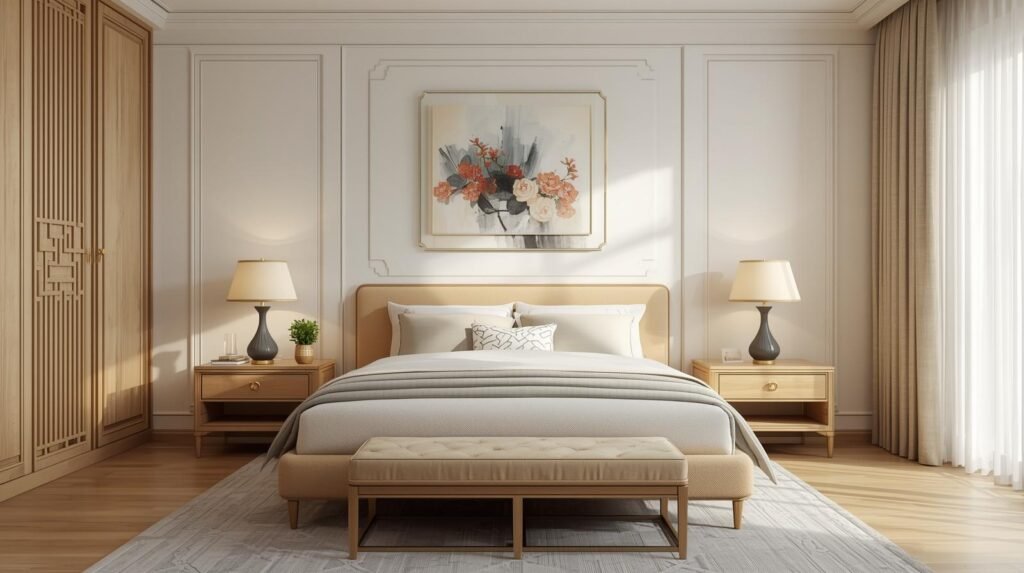
How you arrange essential furniture matters as much as what furniture you choose. Place your bed against a solid wall (not under a window) in a position where you can see the door from bed but aren’t directly in line with it. Allow space on both sides if your room permits, creating symmetry and balance.
Keep clear pathways around the bed—minimum 24-30 inches of walking space. Avoid furniture blocking natural traffic patterns, and keep floor space as open as possible. These principles align with feng shui bedroom layout practices that emphasize energy flow and harmonious arrangement.
Lighting Your Sanctuary: A Layered Approach
Lighting is one of the most important—and most overlooked—elements of zen bedroom design. The right lighting supports your circadian rhythm, creates ambiance, and enhances the room’s peaceful atmosphere. A zen bedroom uses multiple light sources at different heights and intensities, allowing you to adjust lighting for different times of day and activities.
Layer One: Harnessing Natural Light
Natural light is the foundation of healthy sleep-wake cycles. During the day, keep windows unobstructed and use sheer curtains that filter but don’t block light. Position your bed to receive morning light if possible, and keep window areas clean and clear. Thoughtfully placed mirrors can reflect natural light deeper into the room.
For sleeping, however, you need complete darkness. Even small amounts of light during sleep can disrupt sleep quality. Install blackout curtains or shades that create total darkness. Layered window treatments—sheer curtains for day plus blackout curtains for night—offer the best of both worlds.
The NICETOWN Blackout Curtains provide excellent light blocking while maintaining a soft, natural appearance. For sheer curtains, the Deconovo Sheer Curtains filter light beautifully while maintaining privacy.

- 100% Polyester
- Imported
- READY MADE: 1 panel per package. Each Classic Lined Patio Door Curtain measures 100″ wide x 84″ long. The unique design …
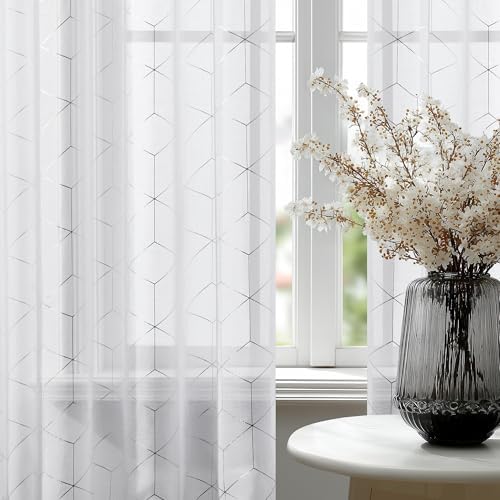
- Package Includes: 2 white sheer curtain panels.Each panel measures 52×84 Inch.
- Quality Fabric: Deconovo sheer curtains are made from 100 percent high quality polyester fabric. Imported, the linen-loo…
- Light Filtering: These beautifully designed voile curtains filter and allow natural light to into the room, transforming…
Layer Two: Ambient Lighting for Evening
Soft, diffused light that illuminates the entire room without glare or harsh shadows creates the foundation for evening lighting. Ceiling-mounted paper lanterns (Japanese-inspired), recessed lighting with dimmers, indirect lighting that bounces off the ceiling, or soft pendant lights with fabric shades all work well.
The key specifications: warm color temperature (2700K-3000K), dimmable controls (essential), diffused rather than direct light, and positioning that avoids glare. Avoid bright overhead fluorescent lights, cool-toned LED bulbs, non-dimmable fixtures, and harsh downlights.
The Lutron Caseta Dimmer Switch allows you to control lighting levels perfectly, while the IKEA Pendant Lamp offers affordable Japanese-inspired ambient lighting.

- PEACE OF MIND: Set lights to automatically adjust with changing seasons so your family always comes back to a well-lit h…
- MOST CONNECTED: Caséta connects with more leading smart home devices – including Alexa, Apple Home Kit, the Google Assis…
- CONTROL YOUR WAY: Caséta puts the smarts in the switch so you can control your lights a variety of ways – via the free L…
Layer Three: Task Lighting for Reading
Focused light for specific activities like reading comes from simple table lamps on nightstands, wall-mounted reading lights, or adjustable arm lamps. Choose warm bulbs (2700K-3000K), adjustable or directional fixtures, and ensure sufficient brightness for reading without eye strain. Dimmable options provide even more flexibility.
The LED Desk Lamp offers adjustable brightness and color temperature, while the Simple Designs Stick Lamp provides classic minimalist style.

- 1. Perfect for Home Office and Study: This versatile desk lamp is ideal for your home office and study space. With its a…
- 2. Nail Art and Craft Enthusiasts’ Favorite: If you are into nail art or other crafting activities, this lamp is a must-…
- 3. Innovative Features for Convenience: This LED desk lamp comes with a one-touch timer function, allowing you to set th…
Layer Four: Accent Lighting for Ambiance
Soft, decorative lighting creates atmosphere in the evening. Candles (real or LED), Himalayan salt lamps, warm white string lights, small uplights highlighting plants or art, and paper lanterns all work beautifully. Keep these very dim and warm, used only in evening, creating relaxing ambiance without stimulation.
The Himalayan Glow Salt Lamp provides soft, warm light with potential air-purifying benefits. For LED candles, the Enpornk Flameless Candles offer realistic flickering without fire risk.

- 100% Pure & Natural: Expertly hand-carved from authentic Himalayan Salt found only in Pakistan. Each and every lamp has …
- Adjustable Brightness: The integrated dimmer switch allows you to fully adjust the warmth and glow of your lamp for use …
- Good Vibes: Pink Himalayan salt is known for its therapeutic and relaxing properties. Ambient and atmospheric, our Himal…

- Smart control:With One Remote Control, You Could Control All Our Flameless Candles Sets of 6, (Diameter:3″ x Height:4″)
- 10 Key Remote Timer-for Easy & Convenient Operation.Out Led Candles Lets You Choose among 2/4/6/8 Hours Timers as Well a…
- Battery Operated-This flameless candle is operated by 2 x AA battery (Not included) with Flickering effect
Creating Your Evening Lighting Ritual
Two hours before bed, dim ambient lighting to 50%, turn off overhead lights, and use only table lamps and accent lights. Eliminate all screen use or use blue-light filters. One hour before bed, dim lighting further to 25%, light candles, and use only bedside lamps to create a very soft, warm atmosphere. At bedtime, create complete darkness—blackout curtains closed, all lights off (including electronics with LED indicators), and use a sleep mask if needed.
This ritual supports guided sleep meditation practices by signaling your body it’s time to wind down. Even small amounts of light during sleep can disrupt sleep quality, so eliminate electronics with LED indicators (cover with tape), light from under doors (use draft stoppers), street lights through windows (blackout curtains), digital clocks (use dim red displays or turn away), and charging devices (charge in another room).
Bringing Nature Indoors: Plants and Natural Elements
Incorporating living plants and natural elements connects your zen bedroom to the natural world and creates a more vibrant, healthy environment. The key is choosing plants that thrive in bedroom conditions and styling them with the same minimalist intentionality that guides the rest of your design.
The Best Plants for Zen Bedrooms
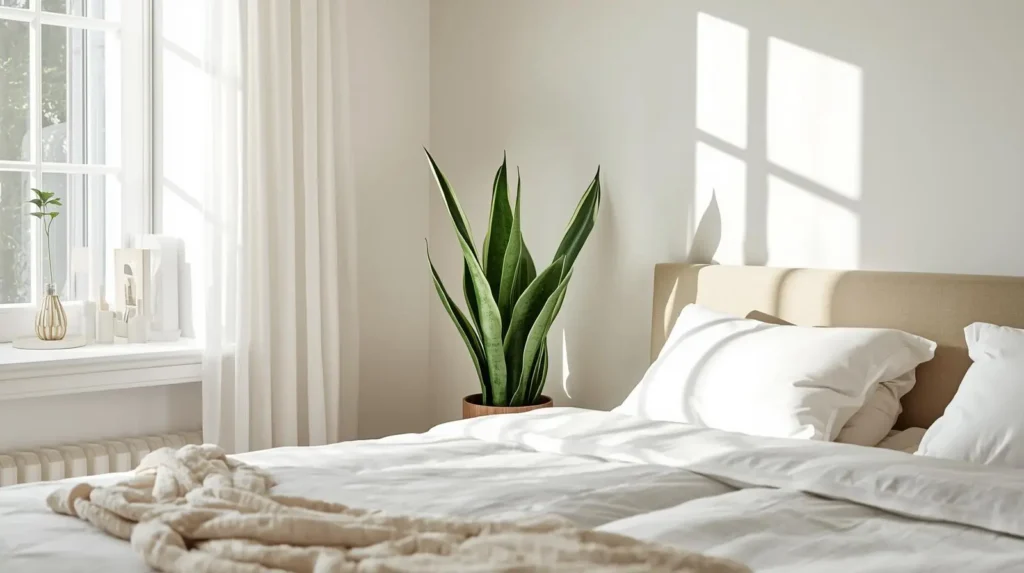
Snake Plant (Sansevieria) is the ultimate low-maintenance bedroom plant. It tolerates low light, requires minimal watering, and—unlike most plants—releases oxygen at night rather than consuming it. Its sculptural, vertical form adds architectural interest without taking up much space. The Costa Farms Snake Plant arrives ready to display in a simple pot.
ZZ Plant (Zamioculcas zamiifolia) features glossy, architectural leaves and is nearly impossible to kill. Extremely drought-tolerant and thriving in low light, it offers a modern, sculptural appearance perfect for zen aesthetics. The American Plant Exchange ZZ Plant provides a substantial specimen.
Pothos (Epipremnum aureum) offers trailing vines that can be placed on shelves or hung, thriving in low light with minimal care. Its forgiving nature makes it perfect for beginners. The Costa Farms Pothos comes in a hanging basket ready to display.
For those with brighter light, Aloe Vera is a succulent requiring minimal watering that releases oxygen at night and offers medicinal properties. Lavender, if you have a sunny window, provides calming scent proven to promote sleep, though it requires more care than the other options.
Styling Plants with Intention
Place one large plant as a focal point, or 2-3 smaller plants maximum. Avoid cluttering with too many plants—remember the principle of intentional empty space. Use simple, neutral pots in ceramic, terracotta, or concrete. Natural materials and neutral colors (white, beige, gray, natural clay) maintain the zen aesthetic.
The LA JOLIE MUSE Ceramic Planter Set offers minimalist design in neutral tones, while the POTEY Ceramic Plant Pots provide simple, elegant options with proper drainage.
Elevate plants on simple stands or place them on the floor rather than cluttering every surface. Choose plants matching your care capacity—struggling plants create stress rather than peace. Establish a simple care routine, remove dead leaves promptly, and keep plants healthy.
Beyond Living Plants: Natural Elements
River rocks in a simple bowl, larger stones as sculptural elements, or crystals for meditation on your nightstand all bring earth energy into your space. Driftwood pieces, simple wooden branches in vases, or natural wood furniture (not painted) connect to the forest.
Dried botanicals like pampas grass, preserved eucalyptus, dried flowers in neutral tones, or branches with interesting shapes add organic beauty without requiring care. Natural textiles—wool throws, linen bedding, cotton rugs, and jute or sisal baskets—complete the connection to nature.
Avoid artificial plants (which lack life energy), plastic decorations, synthetic flowers, and overly decorative or busy natural elements. These natural elements support energy cleansing and chakra balancing practices by creating a space that feels alive and connected to the earth.
Fifteen Practical Ideas: From Simple to Transformative
Here are specific, actionable ideas for creating a zen bedroom, organized from simplest to most involved. Each includes time required and estimated cost, allowing you to choose based on your resources and commitment level.
Quick Wins: Immediate Impact (Under 1 Hour)
Clear All Surfaces by removing everything from nightstands, dressers, and floor except absolute essentials. Keep only your lamp, current book, water glass, and perhaps a small plant. Store everything else in drawers or closets. Create a “one in, one out” rule to maintain clarity. This takes 30 minutes, costs nothing, and creates immediate visual calm.
Implement the “One Artwork” Rule by removing all wall decorations except one piece that brings you peace. Hang it at eye level above your bed or on a focal wall, keeping it simple, calming, and meaningful. Leave other walls bare. This takes 30 minutes and costs nothing if you use what you have, or $50-500 for new art. A single focal point creates visual rest and prevents overstimulation.
Create a Technology-Free Zone by moving your TV to another room (or hiding it in a cabinet), charging your phone elsewhere, using a traditional alarm clock, and removing computers and tablets. The Peakeep Twin Bell Alarm Clock offers classic design without screens. This takes 1 hour, costs $20-40, and eliminates blue light exposure while re-associating your bedroom with rest only.

- 【Classic Vintage Alarm Clock】 The 4-inch classic alarm clock brings vintage style and practical function to your nightst…
- 【Silent No Ticking】 The small double bell alarm clock is made of high quality quartz movement, silent no ticking, won’t …
- 【Loud Bell】 The alarm clock features an antique double bell design with a classic and charming sound that will wake you …
Weekend Projects: Meaningful Changes (2-4 Hours)
Switch to Natural Fiber Bedding by investing in linen or organic cotton sheets, choosing a duvet with natural fill (cotton, wool, down), and selecting pillows with natural materials. Stick to neutral colors—white, beige, gray, soft blue. The Mellanni Bed Sheet Set offers affordable quality, while Brooklinen Linen Core Sheet Set provides premium linen. This takes 1 hour and costs $150-400, but natural fibers regulate temperature better, feel more luxurious, and create healthier sleep environments.
Install Dimmer Switches on all bedroom lights. Purchase dimmer switches (about $15-30 each), install yourself if comfortable or hire an electrician, replace all bedroom lights with dimmable bulbs, and create an evening dimming ritual.
Add Blackout Curtains or Shades by measuring windows accurately, purchasing quality blackout curtains or cellular shades, installing properly with no light gaps at edges, and layering with sheer curtains for daytime. Test for complete darkness at night.
Create a Morning Meditation Corner by choosing a corner with natural light, placing a meditation cushion (zafu) or yoga mat, adding a small table for candles or incense, and keeping the area clear and uncluttered. Use it daily for morning practice. A Zafu Meditation Cushion Set provides everything needed. This takes 30 minutes, costs $50-150, and reinforces daily meditation habits while starting your day with intention.
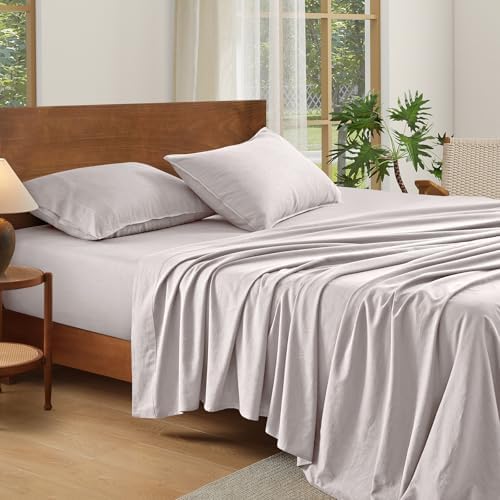
- LUXURIOUS 100% NATURAL FRENCH LINEN: AGGBEERY linen sheets queen size are crafted from premium French flax, grown and pr…
- ALL-SEASON COMFORT: As widely recognized, high-quality linen fabric is exceptionally breathable, moisture-wicking, and t…
- DURABLE & SOFT: Pure linen is one of the strongest natural fibers commonly used—even more durable than cotton. Our linen…

- Our flagship, 4-piece and 6-piece queen-size sheets sets offers a touch of luxury at an affordable price. The Bundle set…
- Temperature Regulating – Moisture-wicking, breathable, & silky to the touch. Experience the cozy or cooling comfort of o…
- Unparalleled Quality & Construction – Oeko-Tex certified & environmentally friendly, our queen size sheets are free from…
Deeper Transformations: Significant Changes (4+ Hours)
Implement a Capsule Bedroom Wardrobe by keeping only current season clothes in your bedroom, limiting items to what you actually wear regularly, storing off-season and rarely worn items elsewhere, organizing remaining clothes neatly, and maintaining a minimalist closet. The Simple Houseware Closet Organizer helps maintain order. This takes 3-4 hours, costs nothing (and may save money), and reduces decision fatigue while eliminating clutter.
Paint Walls in Warm Neutral by choosing warm white, beige, or soft gray, testing samples on your wall (live with them for a week), painting all walls the same color (no accent walls), using low-VOC or natural paint, and keeping the finish matte or eggshell. This takes 1-2 days, costs $100-300, and creates a calm backdrop that makes the room feel larger and won’t feel dated.
Install Floating Nightstand Shelves by removing current nightstands, installing simple wooden floating shelves, keeping only essentials on the shelf (lamp, book, water), ensuring sturdy installation, and maintaining clear space beneath. The WELLAND Floating Shelf Set offers clean lines. This takes 1-2 hours, costs $50-150, and creates visual lightness while opening floor space.
Add Natural Texture Through Textiles by layering linen duvet covers, wool or cotton throw blankets, jute or wool rugs beside the bed, linen curtains, and cotton or linen pillow covers—all in neutral, complementary tones. The Simple&Opulence Linen Duvet Cover offers quality at reasonable prices. This takes 2-3 hours, costs $200-500, and adds visual and tactile interest without color or pattern, creating warmth in minimal space.

- Declutter Your Space with Additional Storage: Hangs behind standard doors to keep clutter off the floor while still keep…
- Six Extra-Large Pockets for Versatile Storage: Each pocket is 6 inches tall, with 8.5 inches of space between pocket bot…
- Clear Front Windows for Easy Viewing: Large transparent panels let you see what’s inside each pocket at a glance, so you…
Major Investments: Complete Transformation
Add a Low Platform Bed by researching Japanese platform beds or simple wooden platforms, measuring your space carefully, purchasing or building a simple platform, keeping design minimal with natural wood finish, and pairing with a low-profile mattress. The Zinus Moiz Wood Platform Bed offers excellent value. This takes 2-4 hours for assembly, costs $300-1,200, and creates a sense of spaciousness while grounding the room in traditional zen aesthetics.
Create an Indoor Zen Garden by purchasing or creating a small desktop zen garden, placing it in a visible location, using it for brief meditation breaks, raking patterns mindfully, and keeping it simple and uncluttered. Our complete guide to indoor zen gardens provides detailed instructions. The Nature’s Mark Desktop Zen Garden offers a quality starter kit. This takes 30 minutes, costs $30-100, and provides a meditative focus object while reinforcing zen aesthetics.

- Bring balance and serenity to your desk at work, great for momentary escapes or channeling creativity
- Entertain guests and start a conversation, great for living rooms or reception areas
- Channel positive vibes and peaceful energy, great as a decor item
Establishing Rituals: Ongoing Practice
Create a Scent Ritual by choosing calming essential oils (lavender, chamomile, sandalwood), using a diffuser, incense, or linen spray, applying scent 30 minutes before bed, keeping scent consistent (your brain will associate it with sleep), and using only natural scents. The URPOWER Essential Oil Diffuser offers quality and value. This takes 15 minutes, costs $30-80, and powerfully affects mood while signaling your brain it’s time to sleep.
Establish a Nightly Closing Ritual by setting a specific bedtime, dimming lights and closing curtains one hour before, lighting candles and applying scent 30 minutes before, practicing meditation or gentle stretching 15 minutes before, and creating complete darkness at bedtime. This takes 15-60 minutes nightly, costs nothing, and creates a consistent ritual that signals your body it’s time to sleep.

Common Mistakes and How to Avoid Them
As you create your zen bedroom, be aware of these common pitfalls. Confusing minimalism with coldness happens when spaces become so minimal they feel sterile and unwelcoming. The solution is adding warmth through natural textures, soft lighting, and a few meaningful objects. Zen minimalism should feel peaceful, not empty.
Neglecting comfort for aesthetics occurs when furniture or bedding looks good but isn’t comfortable. Always prioritize comfort—test mattresses thoroughly, choose soft natural bedding, ensure adequate pillows. Beauty and comfort aren’t mutually exclusive in zen design.
Trying to transform everything overnight leads to overwhelm and half-finished projects. Instead, implement changes gradually. Start with decluttering, then add one new element per month. Slow transformation is more sustainable and allows you to truly experience each change.
Copying aesthetics without understanding principles results in zen-styled spaces rather than authentically zen spaces. Learn the principles first, then make choices that align with them. This creates genuine transformation rather than superficial decoration.
Ignoring personal needs and preferences happens when following zen rules so rigidly that the room doesn’t serve your actual needs. Adapt zen principles to your life. If you need a small desk for journaling, include it mindfully. Zen is about intentionality, not dogma.
Using too many “zen” decorative objects creates the opposite of zen—cluttered spaces filled with Buddha statues, bamboo, and Asian-inspired decor. Zen is about simplicity, not Asian kitsch. Choose one or two meaningful objects maximum.
Forgetting about storage occurs when removing all storage in pursuit of minimalism, leading to hidden clutter. Include adequate closed storage—built-in closets, under-bed storage, simple dressers in closets. Clutter must be eliminated, not just hidden poorly.
Maintaining Your Sanctuary: Daily and Seasonal Practices
Creating a zen bedroom is one thing; maintaining it requires ongoing practice. Each morning, make your bed immediately upon rising, open curtains to let in natural light, remove any items that don’t belong, and spend one minute appreciating your space. Each evening, do a quick tidy (return everything to its place), prepare your bed for sleep, dim lights progressively, and close curtains.
Weekly, dust all surfaces, vacuum or sweep floors, wash bedding, water plants, and wipe down nightstands. Remove items that have accumulated, return borrowed items to proper places, discard trash or items no longer needed, and maintain clear surfaces.
Monthly, wash curtains or window treatments, clean under the bed, organize your closet, deep clean floors, and refresh any natural elements like dried flowers. Assess what’s working and what isn’t, remove anything that no longer serves you, consider small adjustments, and maintain commitment to principles.
Seasonally, rotate textiles (lighter in summer, heavier in winter), adjust lighting for seasonal changes, deep clean the entire room, reassess and recommit to zen principles, and consider small updates or changes. This rhythm of care keeps your sanctuary functioning as intended.
Conclusion: Your Bedroom as Sacred Space
A zen bedroom is more than beautiful design—it’s a commitment to honoring your need for rest, peace, and renewal. In a world that constantly demands your attention, energy, and productivity, your bedroom can be a sanctuary where you’re allowed to simply be.
Creating a zen bedroom doesn’t require expensive furniture, complete renovation, or perfect execution. It requires intention, mindfulness, and a willingness to let go of what doesn’t serve you. Every item you remove, every surface you clear, every intentional choice you make brings you closer to a space that truly supports your wellbeing.
The principles we’ve explored—simplicity, natural materials, neutral colors, balance, connection to nature, intentional empty space, and mindful lighting—work together to create an environment that naturally promotes relaxation and deep sleep. When you align your bedroom with these principles, you’re not just changing your decor; you’re changing your relationship with rest itself.
As you implement these ideas, remember that perfection isn’t the goal. A zen bedroom isn’t about achieving some ideal aesthetic; it’s about creating a space that feels peaceful to you. Your zen bedroom will be unique to your needs, your space, and your life. Trust the process, make changes gradually, and notice how each adjustment affects how you feel in the space.
May your bedroom become a true sanctuary—a place where the world’s chaos dissolves, where you can rest deeply, and where you wake each morning feeling renewed and ready to meet the day with presence and peace.
References
[1] Augustin, S. (2009). Place Advantage: Applied Psychology for Interior Architecture. Wiley. https://www.wiley.com/en-us/Place+Advantage%3A+Applied+Psychology+for+Interior+Architecture-p-9780470422908
[2] Kondo, M. (2014). The Life-Changing Magic of Tidying Up: The Japanese Art of Decluttering and Organizing. Ten Speed Press. https://www.penguinrandomhouse.com/books/247227/the-life-changing-magic-of-tidying-up-by-marie-kondo/
Affiliate Disclosure: This article contains affiliate links. As an Amazon Associate, we earn from qualifying purchases at no additional cost to you. We only recommend products we’ve researched and believe will genuinely benefit your zen bedroom transformation.