

The Ancient Art of Scent and Stillness
Since the dawn of civilization, incense has been an integral part of spiritual ceremonies and rituals across the globe. From the temples of ancient Egypt to the monasteries of Tibet, the burning of aromatic resins and woods has been used to purify spaces, quiet the mind, and create a bridge to the divine. When used in meditation, incense does more than just create a pleasant aroma; it signals to our minds and bodies that it is time to enter a state of stillness and introspection.
The sense of smell is a powerful gateway to memory and emotion. The scent of a specific incense can quickly transport you to a state of calm and focus, making it an invaluable tool for a consistent meditation practice. Research has shown that burning certain incenses activates ion channels in the brain, which can help reduce anxiety and depression [1]. The gentle wisp of smoke also provides a visual anchor, a physical representation of the impermanence of thoughts as they rise and dissipate.
This guide will introduce you to the best and most sacred incenses for meditation. You will learn about the unique properties of each scent, how to choose the right incense for your intention, and how to use it safely to create a truly transformative meditation experience. For those new to meditation practices, you may also want to explore our comprehensive guide on meditation for beginners to establish a solid foundation.
Table of Contents
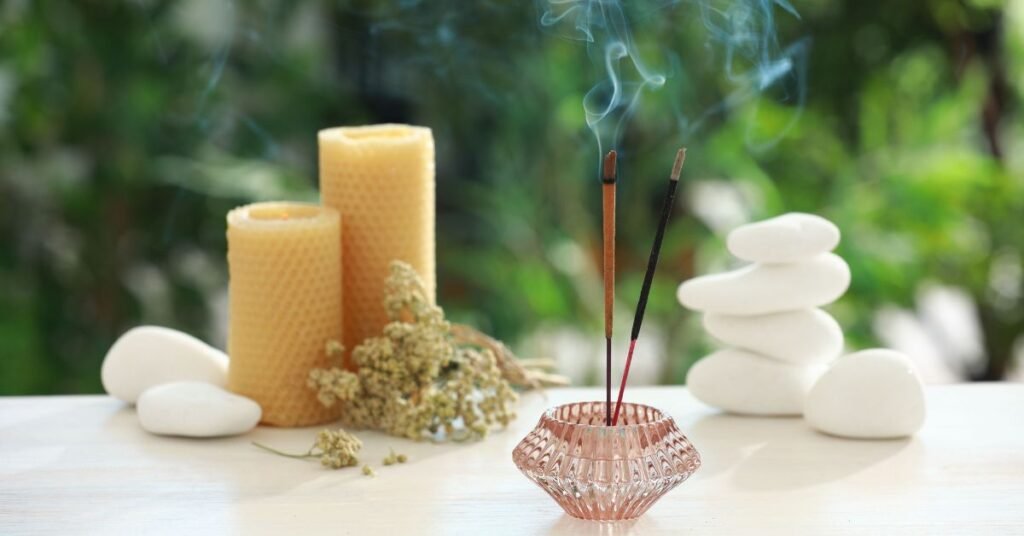
How to Use Incense in Your Meditation Practice
Using incense is a simple yet profound way to enhance your meditation. The following steps will help you incorporate this ancient practice into your modern-day ritual.
Step 1: Choose Your Incense
Select an incense that aligns with your intention for the session. If you seek grounding and stability, Sandalwood is an excellent choice. For purification and spiritual connection, Frankincense is ideal. Trust your intuition and choose a scent that resonates with you.
Step 2: Create a Safe and Sacred Space
Always use a proper incense holder to catch the ash and protect your surfaces. Place it on a heat-resistant surface and ensure the area is well-ventilated. Open a window to allow for fresh air and to prevent the smoke from becoming overwhelming. This is particularly important as studies have shown that proper ventilation is essential when burning incense to minimize any potential health risks [2].
Step 3: Light the Incense with Intention
As you light the tip of the incense stick or cone, hold your intention in your mind. Watch the flame for a moment, then gently blow it out, allowing the glowing ember to release its fragrant smoke. This simple act can be a powerful ritual in itself, marking the beginning of your sacred time.
Step 4: Meditate with the Scent
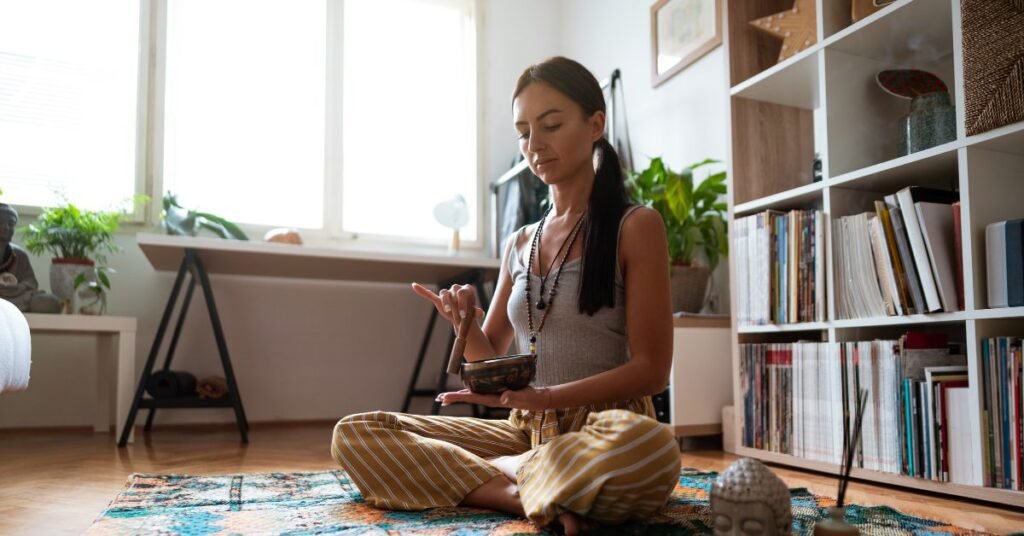
As you settle into your meditation posture, allow the scent of the incense to fill the space. You can use the aroma as a focal point for your meditation, gently returning your attention to it whenever your mind wanders. You can also observe the rising smoke, using it as a visual reminder of the transient nature of all things.
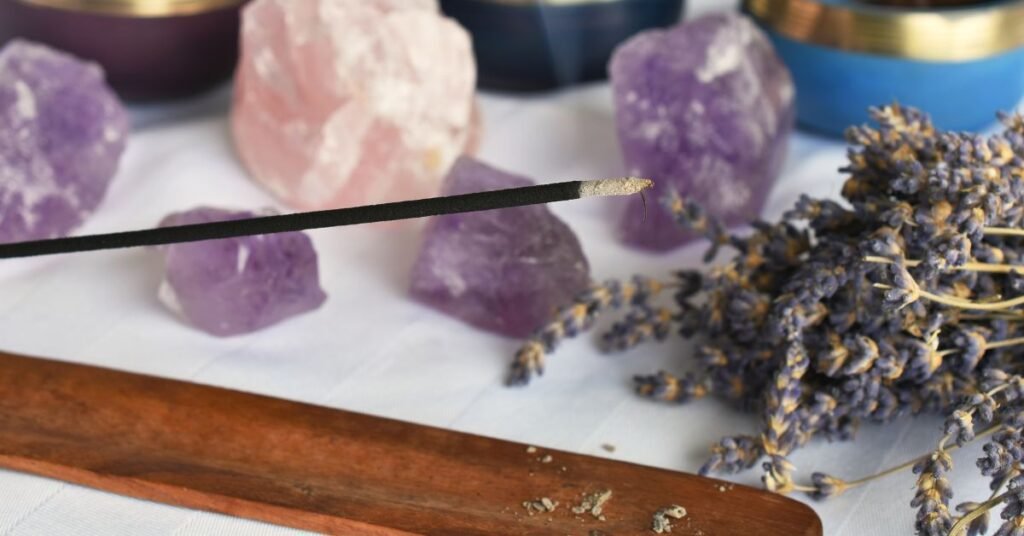
The 7 Best Incense for Meditation
Each type of incense carries its own unique energetic properties. The following seven are particularly well-suited for creating a sacred and supportive atmosphere for meditation.
| Incense | Primary Benefit | Energetic Properties | Why It’s Great for Meditation |
| Sandalwood | Grounding and Calming | Reduces anxiety, promotes mental clarity | Its earthy, woody scent is deeply grounding, helping to quiet the mind and create a sense of inner peace. |
| Frankincense | Purification and Spiritual Connection | Elevates consciousness, cleanses negative energy | One of the most ancient and sacred scents, it is ideal for creating a sacred space and connecting to higher wisdom. |
| Lavender | Relaxation and Sleep | Soothes the nervous system, reduces stress | Its gentle, floral aroma is perfect for evening meditations, promoting deep relaxation and restful sleep. |
| Nag Champa | Sacred Atmosphere and Focus | Creates a holy space, aids in concentration | A traditional blend from India, it is widely used in ashrams and temples to create a sacred atmosphere for meditation. |
| Palo Santo | Cleansing and Healing | Clears negative energy, inspires creativity | Known as “holy wood,” its sweet, woody scent is powerfully cleansing and uplifting, perfect for clearing your space and mind. |
| Copal | Heart Opening and Purification | Connects to the heart, purifies energy | A sacred resin from Mexico, it has a clean, crisp scent that is both purifying and heart-opening. |
| Cedarwood | Strength and Stability | Promotes courage, grounding, and security | Its strong, woody aroma is deeply grounding and helps to build a sense of inner strength and resilience. |
1. Sandalwood: The Scent of Inner Peace
Sandalwood is one of the most cherished scents for meditation, and for good reason. Its rich, woody aroma is deeply grounding and has a calming effect on the nervous system. It helps to quiet the mental chatter, reduce anxiety, and promote a state of profound inner peace. Sandalwood is an excellent choice for any meditation practice, but it is particularly beneficial when you are feeling scattered or overwhelmed. This grounding quality makes it an ideal complement to zen living practices that emphasize simplicity and mindfulness.
2. Frankincense: The Scent of the Divine
Used for thousands of years in religious and spiritual ceremonies, Frankincense is a powerful tool for purification and spiritual connection. Its resinous, earthy scent is said to elevate consciousness, cleanse negative energy, and create a direct link to the divine. Burning Frankincense during meditation can help you to access deeper states of awareness and create a truly sacred space. For those interested in energy cleansing practices, Frankincense serves as an excellent complement to other purification methods.
3. Lavender: The Scent of Tranquility
Lavender is well-known for its relaxing properties, and it is a wonderful choice for evening meditations or for any time you need to de-stress. Its gentle, floral aroma soothes the nervous system, eases tension, and promotes a sense of tranquility. Meditating with Lavender can help to prepare your mind and body for a restful night’s sleep.
4. Nag Champa: The Scent of the Sacred
Nag Champa is a traditional incense blend from India that is made from a combination of Sandalwood and the Champa flower. It is one of the most popular incenses in the world and is widely used in ashrams and temples to create a sacred atmosphere for meditation. Its unique, sweet, and earthy scent is both grounding and uplifting, making it an ideal choice for a daily meditation practice.
5. Palo Santo: The Holy Wood
Palo Santo, which means “holy wood” in Spanish, is a sacred tree native to South America. Its sweet, woody, and slightly citrusy scent is powerfully cleansing and healing. It is often used to clear negative energy from a space, a person, or an object. Burning Palo Santo before meditation can help to purify your energy field and create a clear and positive space for your practice.
6. Copal: The Scent of the Heart
Copal is a sacred resin that has been used for centuries in the spiritual ceremonies of the indigenous peoples of Mexico and Central America. It has a clean, crisp, and slightly piney scent that is both purifying and heart-opening. Meditating with Copal can help to cleanse your energy, connect you to your heart, and elevate your spirit.
7. Cedarwood: The Scent of Strength
Cedarwood has a strong, woody, and slightly sweet aroma that is deeply grounding and stabilizing. It is a powerful scent for building a sense of inner strength, courage, and resilience. Meditating with Cedarwood can help you to feel more rooted, centered, and confident in your ability to navigate life’s challenges.
A Note on Safety and Sustainability
When using incense, always do so in a well-ventilated area and never leave it unattended. Be mindful of the source of your incense, particularly when it comes to sacred plants like Palo Santo and Sandalwood. Choose sustainably harvested products from reputable suppliers to ensure that these sacred traditions can continue for generations to come.
Your Aromatic Journey
The simple act of burning incense can transform your meditation practice from a daily chore into a sacred ritual. The scents in this guide offer a starting point for your aromatic journey, but the most important guide is your own nose. Experiment with different scents and discover the ones that transport you to a place of peace, stillness, and connection.
Whether you’re just beginning your meditation journey or looking to deepen your existing practice, incorporating the right incense can create a powerful sensory anchor that supports your spiritual growth and inner peace.
Enjoyed this content? Read more on our website.
References
1.Hasheminia, S., et al. (2023). The effect of musk incense stick aroma inhalation on anxiety and depression. Journal of Medical Engineering & Technology, 47(3), 123-130. https://www.sciencedirect.com/science/article/abs/pii/S1746809423000915
2.Lee, C. W., et al. (2021). The Adverse Impact of Incense Smoke on Human Health: A Comprehensive Review. International Journal of Environmental Research and Public Health, 18(19), 10274. https://www.ncbi.nlm.nih.gov/pmc/articles/PMC8548258/
3.Farrer, J. (2019). The Incense Bible: A Guide to the Spiritual and Magickal Properties of Incense. CreateSpace Independent Publishing Platform.
4.Cunningham, S. (2011). Cunningham’s Encyclopedia of Magical Herbs. Llewellyn Publications.
Elevate your meditation practice today with the sacred power of incense and discover a new dimension of peace and spiritual connection.
5 thoughts on “Best Incense for Meditation: Sacred Scents Guide”