

In our modern world, eating has become something we do while doing something else. We eat while scrolling through phones, working at computers, watching television, or driving. We consume food unconsciously, barely tasting it, often not even remembering what we ate. Meals that could nourish not just our bodies but our spirits have been reduced to fuel stops—quick, mindless, and disconnected.
Zen eating offers a radically different approach. Rooted in Buddhist philosophy and refined through centuries of monastic practice, zen eating transforms the ordinary act of consuming food into an extraordinary practice of mindfulness, gratitude, and spiritual cultivation. It teaches us that how we eat is as important as what we eat. That the ritual of preparing and consuming a meal can be as profound as formal meditation. That every bite offers an opportunity for presence, awareness, and connection.
The philosophy of zen eating is beautifully captured in the words of thirteenth-century Zen master Dōgen Zenji: “At the very moment when we eat, we are possessed of ultimate reality, essence, substance, energy, activity, causation. So dharma is eating, and eating is dharma” [1]. In this view, eating is not separate from spiritual practice—it is spiritual practice.
Zen eating is not a diet in the conventional sense. It doesn’t prescribe specific foods, count calories, or promise weight loss (though these may be natural byproducts). Instead, it’s a complete philosophy of relating to food and nourishment that addresses body, mind, and spirit simultaneously. It asks us to slow down, pay attention, express gratitude, and recognize the profound interconnection between ourselves and all beings through the simple act of eating.
This comprehensive guide will explore the ancient practices and modern applications of zen eating. You’ll learn about oryoki—the formal Zen meal ritual—and how to adapt its principles to contemporary life. You’ll discover the Five Contemplations that frame each meal with gratitude and awareness. You’ll explore practical techniques for bringing mindfulness to shopping, cooking, and eating. And you’ll understand how zen eating can transform not just your relationship with food, but your entire approach to nourishment, health, and wellbeing.
Whether you’re struggling with mindless eating, seeking a more spiritual relationship with food, or simply wanting to bring more presence and joy to your meals, zen eating offers timeless wisdom for modern life.
Table of Contents

The Philosophy of Zen Eating
Food as Dharma Practice
In Zen Buddhism, there is no separation between “spiritual” and “mundane” activities. Chopping vegetables, washing dishes, and eating meals are not interruptions to practice—they are practice. This perspective fundamentally shifts how we relate to food and eating.
Master Dōgen, founder of the Soto Zen school in Japan, devoted extensive writing to the practice of eating, particularly in his text Fushukuhanpō (The Dharma for Taking Food). He emphasized that eating with full awareness and proper form is itself enlightenment. The food we eat, the bowls we use, the posture we maintain, the gratitude we express—all of these are manifestations of Buddha nature.
This philosophy stands in stark contrast to many spiritual traditions that view the body and its needs with suspicion or even contempt. Zen doesn’t see eating as a necessary evil or a base physical need to be transcended. Instead, it recognizes eating as a fundamental human activity that, when done with awareness and intention, connects us to the deepest truths of existence: impermanence, interconnection, and the preciousness of life.
The Middle Way and Eating
The Buddha’s teaching of the Middle Way—avoiding extremes of indulgence and asceticism—has direct application to eating. Before his enlightenment, the Buddha practiced severe asceticism, eating so little that he nearly died. He discovered that starving the body doesn’t lead to spiritual awakening; it simply makes clear thinking impossible.
After abandoning extreme fasting, the Buddha accepted a bowl of rice milk from a young woman named Sujata. Properly nourished, he sat under the Bodhi tree and attained enlightenment. This experience shaped his teaching: we need to care for the body appropriately—neither indulging every craving nor denying legitimate needs.
Zen eating embodies this Middle Way. It’s not about restriction, guilt, or deprivation. It’s about eating “just the right amount”—enough to nourish the body and support practice, but not so much that we become sluggish or attached to sensory pleasure. This principle, called oryoki (応量器), literally means “just enough” or “the vessel that contains just the right amount.”
Interconnection and Gratitude
Zen eating cultivates awareness of the vast web of interconnection that makes each meal possible. A simple bowl of rice required:
•Sun, rain, and soil to grow the grain
•Farmers who planted, tended, and harvested
•Workers who processed and transported the rice
•Countless beings who contributed to the infrastructure (roads, trucks, stores)
•The cook who prepared the meal
•Generations of ancestors who preserved agricultural knowledge
•The earth itself, which provides all sustenance
When we truly recognize this interconnection, gratitude arises naturally. We’re not eating alone; we’re participating in a vast network of giving and receiving that includes all beings and the earth itself. This awareness transforms eating from a solitary, transactional act into a profound expression of relationship and reciprocity.

Non-Attachment and Eating
Zen practice cultivates non-attachment—the ability to experience things fully without clinging to them or pushing them away. Applied to eating, this means:
•Enjoying food without being controlled by cravings
•Eating simple food with appreciation rather than always seeking elaborate meals
•Accepting what’s offered without complaint
•Not being attached to specific tastes, textures, or preferences
•Eating to nourish the body, not to fill emotional voids
Non-attachment doesn’t mean not caring or not enjoying. It means experiencing food fully in the present moment without the suffering that comes from craving, aversion, or trying to hold onto pleasant experiences.
Oryoki: The Formal Zen Meal Ritual
Origins and Meaning
Oryoki (応量器) is the formal meal practice used in Zen monasteries, particularly in the Soto Zen tradition. The word combines ō (応, “to respond”), ryō (量, “amount”), and ki (器, “vessel”), meaning “the vessel that contains just the right amount” or “responding with just enough.”
The practice originated with the Buddha and his wandering monks, who carried begging bowls as one of their few possessions. As Buddhism moved to China and Japan and monks settled in monasteries, the meal practice evolved into the highly choreographed ritual we know today as oryoki.
Oryoki is practiced in complete silence (except for chants of gratitude) and involves a set of nested bowls, utensils, and cloths that are unwrapped, used, cleaned, and rewrapped in a precise sequence. Every movement is deliberate and mindful. Nothing is wasted. Each person takes only what they need and finishes everything on their plate.
The Oryoki Set
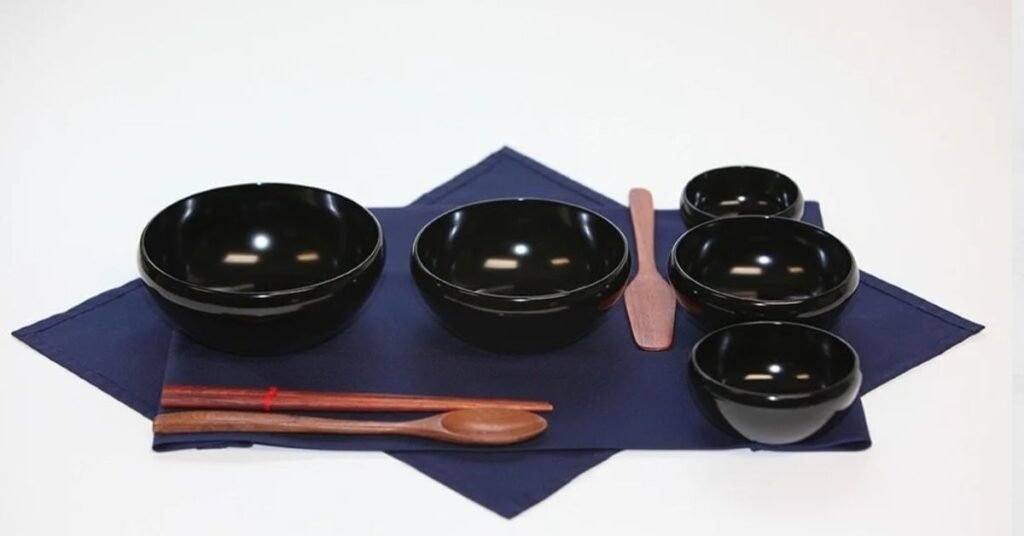
A traditional oryoki set (jihatsu) includes:
Three to Four Nested Bowls:
•Zuhatsu (Buddha bowl): The largest bowl, representing the Buddha’s skull
•Medium bowl: For soup or secondary dishes
•Small bowl(s): For pickles, condiments, or additional items
Utensils:
•Wooden spoon (saji)
•Chopsticks (hashi)
•Setsu: A flat wooden spatula for cleaning bowls
Cloths:
•Outer wrapping cloth that becomes the placemat
•Napkin
•Small cleaning cloth
The bowls nest inside each other and are wrapped in the cloth with a topknot resembling a lotus flower, symbolizing enlightenment emerging from the mud of daily life.
The Oryoki Ritual
While the complete oryoki ritual is complex and takes time to learn, its basic structure includes:
1. Unwrapping (Opening the Buddha’s Mind): The wrapped set is placed before you. Through a series of precise movements, you untie the topknot, unfold the cloth to create a placemat, and arrange the bowls and utensils in specific positions. Each movement is done with full attention.
2. Receiving Food (Accepting What Is Offered): Servers move through the hall with pots of food. Using hand gestures (the practice is silent), you indicate how much food you want in each bowl. The principle is to take just enough—not too much (greed) or too little (false modesty). You must finish everything you take.
3. Chanting (Expressing Gratitude): Before eating, the community chants the Five Contemplations (which we’ll explore in detail later), expressing gratitude and setting intention for the meal.
4. Eating (Meditation in Action): Eating proceeds in silence with full attention. You eat at a moderate pace, neither rushing nor dawdling, staying in harmony with the group. Each bite is taken mindfully, tasting fully, chewing thoroughly.
5. Cleaning (Leaving No Trace): After eating, hot water or tea is poured into the largest bowl. Using the setsu, you scrape every grain of rice and drop of liquid, transferring the cleaning water from bowl to bowl. You drink some of the water (consuming any remaining food particles) and pour the rest into a collection bucket. The water is later distributed in the garden, completing the cycle—nothing is wasted.
6. Wrapping (Closing the Practice): Bowls are dried with the cleaning cloth and nested back together. The cloths are folded precisely, and the set is rewrapped with the lotus topknot. The practice is complete.
The Deeper Meaning of Oryoki
Oryoki is not just an efficient way to feed a group. It’s a profound teaching method that reveals the patterns of our minds. As Zen teacher Norman Fischer explains, “The intensity of oryoki practice is such that you get to see your own tendencies in relation to eating and serving a meal. Someone eating can ask for too much food, and a server can give too little—greed and stinginess arise. Oryoki practice develops kindness and clarity and the sense of not overdoing or under-doing anything” [1].
The ritual exposes our habits:
•Do we take more than we need (greed)?
•Do we take less than we need (false humility or fear)?
•Can we accept what’s offered without complaint?
•Do we eat mindfully or let our mind wander?
•Can we maintain presence through repetitive, simple actions?
Oryoki also teaches impermanence and non-attachment. The beautiful arrangement of bowls and food is created, enjoyed, and then completely dismantled. Nothing remains. This mirrors the nature of all experiences—arising, existing briefly, and passing away.
The Five Contemplations: Framing Each Meal with Awareness
The Five Contemplations (gokan no ge) are verses recited before meals in Zen monasteries. They frame eating with gratitude, ethical awareness, and spiritual intention. While the exact wording varies between lineages, the essence remains consistent.
First Contemplation: Recognizing the Work That Brought This Food
Traditional Version: “We reflect on the effort that brought us this food and consider how it comes to us.”
Modern Interpretation: “I consider all the work and energy that went into this meal.”
Practice: Before eating, pause and reflect on the journey your food took to reach you. The farmer who grew the vegetables. The sun and rain that nourished them. The workers who harvested, processed, and transported the food. The person who shopped for ingredients. The cook who prepared the meal. The infrastructure that made it all possible.
This contemplation cultivates gratitude and awareness of interconnection. We don’t eat alone; we’re supported by countless beings and natural forces.
Application: When you sit down to eat, take 30 seconds to trace one item on your plate back to its source. Where did it come from? Who grew it? How did it arrive here?

Second Contemplation: Reflecting on Our Virtue and Practice
Traditional Version: “We reflect on our own virtue and practice, and whether we are worthy of this offering.”
Modern Interpretation: “I reflect on my own conduct and whether I’m living in a way that deserves this nourishment.”
Practice: This contemplation invites honest self-reflection. Have I lived this day with integrity, kindness, and awareness? Have I contributed positively to the world? Am I using my life well?
This isn’t about guilt or unworthiness—it’s about accountability and intention. The food we eat sustains our life. Are we using that life wisely? Are we contributing to the wellbeing of others and the earth?
Application: Before eating, ask yourself: “How have I used my energy today? Have I lived in alignment with my values?” Let this reflection inform how you’ll use the energy this meal provides.
Third Contemplation: Guarding Against Greed
Traditional Version: “We must be free from greed, anger, and delusion.”
Modern Interpretation: “I will eat with awareness, free from greed and mindless consumption.”
Practice: This contemplation addresses our tendency to eat reactively—out of boredom, stress, emotional need, or simple habit rather than true hunger. It invites us to examine our relationship with food and eating.
Are we eating because our body needs nourishment, or are we trying to fill an emotional void? Are we eating mindlessly while distracted, or with full presence? Are we consuming more than we need?
Application: Before eating, check in with your body. Are you physically hungry? What are you actually hungry for? Commit to eating this meal with full attention, noticing when you’re satisfied.
Fourth Contemplation: Eating as Medicine
Traditional Version: “We take this food as medicine to maintain our bodies.”
Modern Interpretation: “I eat this food as medicine to nourish my body and support my practice.”
Practice: This contemplation frames food as functional nourishment rather than entertainment or emotional comfort. We eat to sustain the body so it can support our life and practice.
This doesn’t mean food can’t be delicious or enjoyable—but pleasure isn’t the primary purpose. We eat to live, not live to eat. This perspective helps us make wise choices about what and how much to consume.
Application: Consider: “Will this food nourish my body and support my wellbeing?” This doesn’t mean only eating “health food,” but it does mean eating with awareness of how food affects you.

Fifth Contemplation: Eating to Realize Our True Nature
Traditional Version: “We take this food to realize the Way of the Buddha.”
Modern Interpretation: “I accept this food to fulfill my life’s purpose and serve others.”
Practice: This contemplation connects eating to our deepest aspirations. We nourish our bodies not for selfish reasons, but so we can contribute to the world, serve others, and realize our full potential.
What is your life’s purpose? What are you here to do? The food you eat provides energy for that purpose. This contemplation transforms eating from a mundane necessity into a sacred act aligned with your highest values.
Application: Before eating, connect with your sense of purpose. “I eat this food so I can [your purpose: be present for my family, create meaningful work, serve my community, practice compassion, etc.].”
Practical Zen Eating Techniques for Modern Life
Mindful Shopping: Where Zen Eating Begins
Zen eating starts before food reaches your kitchen. The choices you make while shopping reflect your values and set the stage for mindful consumption.
Practice Presence While Shopping:
•Shop without rushing; allow adequate time
•Avoid shopping when hungry (which triggers reactive buying)
•Leave your phone in your pocket
•Notice the colors, textures, and aromas of fresh food
•Express silent gratitude for the abundance available
Choose with Intention:
•Buy whole, minimally processed foods when possible
•Select seasonal and local produce (shorter journey from earth to table)
•Consider the environmental and ethical impact of your choices
•Buy only what you’ll actually use (reducing waste)
•Choose quality over quantity
Connect with Food Sources:
•Shop at farmers markets when possible
•Talk with farmers and producers
•Learn where and how your food was grown
•Support sustainable and ethical food systems
•Grow some of your own food if possible
Connection: This aligns with zen living principles of intentionality and mindfulness in all activities.
Mindful Cooking: Meditation in the Kitchen
Cooking offers a perfect opportunity for meditation in action. The kitchen becomes a dojo (practice hall) where we cultivate presence, care, and creativity.
Create a Calm Cooking Environment:
•Clean and organize your kitchen before cooking
•Turn off distractions (TV, phone notifications)
•Play gentle music or cook in silence
•Light a candle or incense to mark cooking as sacred time
•Take three conscious breaths before beginning
Cook with Full Attention:
•Focus completely on each task (washing, chopping, stirring)
•Notice the colors, textures, and aromas of ingredients
•Feel the weight of the knife, the texture of vegetables
•Listen to the sounds of cooking
•Move deliberately, without rushing
Practice Gratitude While Cooking:
•Thank the plants and animals that gave their lives
•Appreciate the farmers and workers who made this meal possible
•Feel gratitude for the ability to nourish yourself and others
•Cook with the intention of offering nourishment and love
Zen Cooking Principles:
•Use simple, fresh ingredients
•Don’t waste anything; use all parts of vegetables
•Cook just enough (not too much or too little)
•Taste mindfully as you cook, adjusting seasonings consciously
•Clean as you go, maintaining order
Traditional Zen Temple Food (Shojin Ryori): Zen monasteries developed shojin ryori, a vegetarian cuisine that emphasizes:
•Seasonal vegetables, grains, and legumes
•Simple preparation that honors the natural flavor of ingredients
•Balance of colors, textures, and tastes
•No waste—using vegetable peels, stems, and leaves
•Gratitude for all ingredients
You don’t need to become vegetarian to practice zen eating, but the principles of simplicity, seasonality, and minimal waste apply universally.

Setting the Table: Creating Sacred Space
How you set up your eating environment significantly impacts your ability to eat mindfully.
Physical Environment:
•Eat at a table, not on the couch or in bed
•Use real plates and utensils, not disposable items
•Set the table thoughtfully, even for solo meals
•Include a simple centerpiece (flowers, candle, or natural object)
•Ensure adequate lighting—neither too bright nor too dim
•Remove clutter from the table and surrounding area
Eliminating Distractions:
•Turn off TV, computer, and phone
•Put devices in another room if possible
•If eating with others, make conversation the focus
•If eating alone, eat in silence or with gentle background music
Creating Ritual:
•Light a candle before meals
•Ring a small bell to mark the beginning of eating
•Place your hands together in gassho (prayer position) and bow slightly
•Take three conscious breaths before eating
•Recite a short gratitude phrase or the Five Contemplations
Connection: Creating harmonious eating spaces aligns with feng shui and home harmony principles.
The Practice of Mindful Eating
Once you’re seated with food before you, the core practice of zen eating begins.
Before the First Bite:
1.Pause: Don’t immediately start eating. Sit for a moment with your food.
2.Observe: Look at your food. Notice colors, arrangement, steam rising.
3.Smell: Bring awareness to the aromas. Let anticipation build.
4.Express Gratitude: Silently or aloud, thank all who made this meal possible.
5.Set Intention: “I will eat this meal with full presence and gratitude.”
During the Meal:
Eat Slowly:
•Put your utensils down between bites
•Chew each bite thoroughly (20-30 times)
•Don’t load the next bite while still chewing
•Pause periodically to check in with your body
Engage All Senses:
•Sight: Notice the colors and presentation
•Smell: Appreciate the aromas with each bite
•Taste: Identify different flavors (sweet, salty, sour, bitter, umami)
•Texture: Notice smooth, crunchy, creamy, chewy
•Sound: Hear the sounds of chewing and swallowing
Maintain Presence:
•When your mind wanders (and it will), gently bring attention back to the food
•Notice thoughts about the food without getting lost in them
•If eating with others, balance conversation with periods of silent eating
•Treat each bite as if it’s the first—fresh and new
Check In with Your Body:
•Notice the sensation of hunger diminishing
•Eat until satisfied, not stuffed (about 80% full)
•Recognize the difference between physical hunger and emotional craving
•Stop eating when your body signals fullness, even if food remains
After the Meal:
1.Pause: Don’t immediately rush away. Sit for a moment.
2.Express Gratitude: Thank the food, the cooks, and all beings who contributed.
3.Notice: How does your body feel? Satisfied? Energized? Uncomfortable?
4.Clean Mindfully: Wash dishes with the same presence you brought to eating.

Adapting Oryoki Principles to Home Practice
You don’t need a formal oryoki set or monastery setting to practice zen eating. You can adapt the core principles to your everyday meals.
Simplified Home Oryoki:
Equipment:
•Three simple bowls (one large, two smaller)
•Chopsticks or fork and spoon
•Cloth napkin
•Placemat
Practice:
1.Set your place mindfully, arranging bowls and utensils with care
2.Serve yourself “just the right amount”—not too much or too little
3.Recite a simplified version of the Five Contemplations
4.Eat in silence (or with minimal, mindful conversation)
5.Finish everything you served yourself
6.Clean your bowls thoroughly, wasting nothing
7.Put everything away mindfully
Weekly Practice: Designate one meal per week as your “formal” zen eating practice. Perhaps Sunday breakfast or Wednesday dinner. Use this meal to deepen your practice without the pressure of doing it perfectly every time.
Zen Eating for Specific Situations
Eating Alone
Solo meals offer a perfect opportunity for deep practice without the social dynamics of group eating.
Advantages:
•Complete control over environment and pace
•No social pressure or conversation to navigate
•Opportunity for deep introspection and presence
Practice Tips:
•Don’t treat solo meals as less important than social meals
•Set the table properly, even for yourself
•Eat at the table, not standing at the counter
•Use the silence to deepen awareness
•Consider it a meditation retreat, even if just for 20 minutes
Eating with Family or Friends
Social meals present unique challenges and opportunities for zen eating.
Balancing Presence and Connection:
•Be present with both the food and the people
•Alternate between mindful eating and engaged conversation
•Suggest beginning the meal with a moment of silence or gratitude
•Model mindful eating without being preachy
•Chew thoroughly even while conversing
Teaching Children:
•Make mealtime device-free for everyone
•Involve children in cooking and table setting
•Play “mindful eating games” (describing flavors, eating in silence for 2 minutes)
•Express gratitude before meals as a family ritual
•Don’t force it—model it and let them absorb naturally

Eating at Restaurants
Restaurant meals can still be mindful, though they require adaptation.
Before Ordering:
•Take three conscious breaths after sitting down
•Read the menu without rushing
•Order food that will truly nourish you
•Consider portion sizes (you don’t have to finish everything)
During the Meal:
•Put your phone away completely
•Appreciate the work of the chef and servers
•Eat slowly, even if others eat quickly
•Engage in meaningful conversation between bites
•Express gratitude to servers
Managing Social Pressure:
•You don’t need to explain your practice to everyone
•Simply eat more slowly and mindfully without announcing it
•If asked, briefly say you’re trying to enjoy your food more fully
•Don’t judge others’ eating habits
Eating at Work
Workplace eating is often the most mindless—eating at desks, in meetings, or while working.
Creating Mindful Lunch Breaks:
•Step away from your desk completely
•Find a quiet space (outside if possible)
•Take a full lunch break, even if just 20 minutes
•Turn off work notifications
•Use lunch as a mental reset, not just refueling
Quick Mindful Eating at Work: Even if you only have 10 minutes:
1.Take three conscious breaths before eating
2.Express brief gratitude
3.Eat without screens or work
4.Chew thoroughly
5.Notice when you’re satisfied

Eating During Stressful Times
Stress often triggers mindless or emotional eating. Zen eating practices can help.
Stress Eating Awareness:
•Before eating, ask: “Am I physically hungry or emotionally hungry?”
•If emotional, acknowledge the feeling without judgment
•Consider whether food will actually help or just distract
•If you choose to eat, do so mindfully rather than compulsively
Using Eating as Stress Relief:
•Mindful eating itself can be calming and grounding
•The ritual of preparing and eating a simple meal offers structure during chaos
•Focus on nourishing, comforting foods prepared with care
•Let eating be a brief refuge of presence and calm
Connection: Combine zen eating with meditation practices and energy protection techniques during difficult periods.
The Health Benefits of Zen Eating
While zen eating is primarily a spiritual practice, it offers significant physical and psychological health benefits.
Physical Health Benefits
Improved Digestion:
•Thorough chewing breaks down food more completely
•Eating slowly allows digestive enzymes to work properly
•Reduced stress during meals improves digestive function
•Better nutrient absorption from well-chewed food
Weight Management:
•Eating slowly allows satiety signals to reach the brain (takes 20 minutes)
•Mindful awareness prevents overeating
•Reduced emotional eating
•Better recognition of true hunger vs. cravings
Reduced Inflammation:
•Stress reduction during meals lowers cortisol
•Mindful food choices often lead to healthier selections
•Improved gut health from better digestion
•Reduced inflammatory response from stress eating
Blood Sugar Regulation:
•Slower eating leads to more gradual blood sugar rises
•Better insulin sensitivity
•Reduced cravings and energy crashes
Psychological and Emotional Benefits
Reduced Stress and Anxiety:
•Mindful eating activates the parasympathetic nervous system (rest and digest)
•Provides regular breaks from mental chatter
•Creates islands of calm in busy days
•Reduces anxiety around food and eating
Improved Relationship with Food:
•Breaks cycles of guilt, restriction, and bingeing
•Develops trust in body’s hunger and fullness signals
•Reduces food-related shame and judgment
•Cultivates appreciation rather than fear of food
Enhanced Enjoyment:
•Actually tasting food increases satisfaction
•Smaller amounts of food become more satisfying
•Develops appreciation for simple, whole foods
•Eating becomes pleasurable rather than stressful
Greater Self-Awareness:
•Reveals patterns and habits around eating
•Increases body awareness and interoception
•Develops capacity for self-regulation
•Strengthens mind-body connection
Spiritual Benefits
Cultivation of Gratitude:
•Regular practice of appreciation
•Recognition of interconnection
•Reduced sense of entitlement
•Increased generosity and compassion
Development of Mindfulness:
•Training attention and presence
•Practice returning to the present moment
•Strengthening concentration
•Integration of practice into daily life
Ethical Awareness:
•Greater consciousness of food choices’ impact
•Consideration of environmental and social justice
•Reduced consumption and waste
•Alignment of eating with values
Connection to Something Greater:
•Recognition of participation in vast web of life
•Sense of belonging and relationship
•Reduced isolation and separation
•Experience of the sacred in the ordinary

Common Challenges and How to Overcome Them
“I Don’t Have Time to Eat Mindfully”
This is the most common objection to zen eating.
Reality Check:
•You’re eating anyway—mindful eating doesn’t take more time
•In fact, eating slowly often means eating less, which can save time
•Even 5 minutes of mindful eating is valuable
Solutions:
•Start with one mindful meal per week
•Practice mindful eating for just the first 5 minutes of meals
•Recognize that time spent eating mindfully reduces stress, potentially saving time elsewhere
•Consider what you’re currently doing while eating—is scrolling social media really a better use of time?
“My Family Won’t Participate”
You don’t need everyone to practice zen eating for it to be valuable.
Approaches:
•Practice individually without requiring others to join
•Model mindful eating without preaching
•Suggest small changes (moment of gratitude, device-free meals) without full zen eating
•Find one family member willing to try with you
•Accept that others’ choices are their own
“I Forget to Practice”
Mindful eating requires intention, especially when establishing the habit.
Reminders:
•Set a phone alarm for meal times with a mindfulness reminder
•Place a note on your plate or placemat
•Use a specific plate or bowl only for mindful eating
•Create a pre-meal ritual (lighting candle, three breaths) that triggers mindfulness
•Start with just one meal per day at a consistent time
“My Mind Wanders Constantly”
A wandering mind is normal—it’s not a failure of practice.
Understanding:
•The practice isn’t having a focused mind; it’s noticing when the mind wanders and returning
•Each time you notice distraction and return to the food, that’s a successful repetition
•Over time, the mind will wander less, but it will always wander sometimes
Techniques:
•Use sensory awareness as an anchor (taste, texture, smell)
•Count chews to maintain focus
•Describe flavors silently to yourself
•Return to breath between bites
•Be patient and compassionate with yourself
“I Feel Awkward or Self-Conscious”
Eating differently than those around you can feel uncomfortable.
Perspectives:
•Most people won’t notice or care how you’re eating
•You don’t need to announce or explain your practice
•Eating mindfully doesn’t mean eating strangely—just more slowly and attentively
•Your discomfort will decrease with practice
•Consider whether others’ opinions matter more than your wellbeing
“Mindful Eating Feels Too Slow”
If mindful eating feels painfully slow, examine what’s driving the rush.
Reflection:
•Why do you feel the need to eat quickly?
•What are you rushing toward?
•Is the discomfort with slowness revealing something about your relationship with presence?
•Can you tolerate being with yourself and your experience for 20 minutes?
Adjustment:
•You don’t have to eat extremely slowly—just slower than usual
•Find a pace that feels both mindful and natural
•Remember that eating slowly is actually the natural human pace—fast eating is the aberration
Integrating Zen Eating into a Holistic Practice
Zen eating is most powerful when integrated with other mindfulness and wellness practices.
Zen Eating and Meditation

Formal meditation practice supports mindful eating, and vice versa.
Connections:
•Both cultivate present-moment awareness
•Both train the mind to return from distraction
•Both develop non-judgmental observation
•Eating meditation can be part of formal practice
Integration:
•Begin meals with brief meditation
•Use eating as meditation practice
•Notice how formal meditation affects eating habits
•Use insights from eating practice to deepen seated meditation
Zen Eating and Zen Living
Zen eating naturally extends to other areas of life.
Broader Applications:
•Mindful shopping, cooking, and cleaning
•Bringing presence to all daily activities
•Simplifying life to focus on what matters
•Cultivating gratitude in all areas
•Living with intention and awareness
Connection: Explore zen living principles, zen morning routines, and daily zen practices to create a comprehensive practice.
Zen Eating and Energy Work
Food affects not just physical body but energetic body.
Considerations:
•Quality and source of food affects your energy
•Mindful eating enhances energy absorption
•Gratitude and intention charge food energetically
•Eating in calm state improves energy flow
Integration:
•Practice chakra balancing before meals
•Use energy cleansing to clear space before eating
•Consider how different foods affect your energy body
•Bless food with intention before eating
Zen Eating and Sustainability
Zen eating naturally leads to more sustainable food choices.
Connections:
•Awareness of interconnection extends to environmental impact
•Gratitude reduces waste
•Mindful consumption means consuming less
•Appreciation for simple food reduces demand for resource-intensive foods
Practices:
•Choose local, seasonal, and organic when possible
•Reduce meat consumption
•Minimize food waste
•Compost food scraps
•Support sustainable food systems
•Grow some of your own food
Conclusion: Transforming Life One Meal at a Time
Zen eating is not about perfection. It’s not about never eating mindlessly again or following rigid rules. It’s about bringing more awareness, gratitude, and presence to the fundamental human activity of nourishing ourselves. It’s about recognizing that every meal is an opportunity—an opportunity to practice mindfulness, to express gratitude, to connect with the web of life, and to nourish not just our bodies but our spirits.
In our fast-paced, distracted world, the simple act of eating a meal with full attention is revolutionary. It’s a form of resistance against the cultural pressure to do everything quickly, efficiently, and while multitasking. It’s a declaration that this moment matters, that this food matters, that your life matters enough to be lived consciously.
You don’t need to practice oryoki in a monastery or follow every guideline in this article. Start simply: choose one meal this week to eat with full attention. Put away your phone. Sit at a table. Take three breaths before eating. Chew slowly. Notice flavors. Express gratitude. That’s enough.
Over time, as the practice deepens, you may find that zen eating transforms more than just your meals. The mindfulness you cultivate while eating begins to permeate other activities. The gratitude you express for food extends to appreciation for all of life’s gifts. The presence you bring to your plate becomes presence you bring to your relationships, your work, and your daily life.
As Master Dōgen taught, “At the very moment when we eat, we are possessed of ultimate reality.” Every meal is an opportunity to wake up, to be fully alive, to participate consciously in the miracle of existence. May your meals become meditation. May your eating become practice. May every bite be taken with awareness, gratitude, and love.
References
[1] Dōgen, E. (13th century). Fushukuhanpō (The Dharma for Taking Food). In Tanahashi, K. (Ed.), Treasury of the True Dharma Eye: Zen Master Dogen’s Shobo Genzo. Shambhala Publications. https://www.shambhala.com/treasury-of-the-true-dharma-eye-1784.html
[2] Kain, J. (2003). Eating Just The Right Amount: Oryoki. Tricycle: The Buddhist Review. https://tricycle.org/magazine/eating-just-right-amount/