

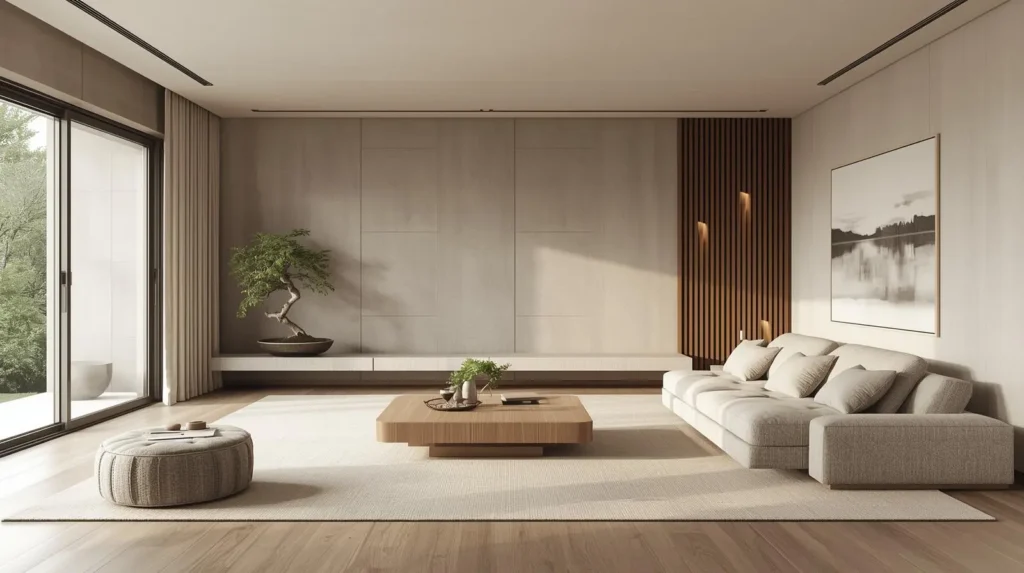
Minimalist living room ideas offer a transformative approach to home design that prioritizes peace, functionality, and intentional beauty over clutter and excess. Rooted in zen philosophy and Japanese design principles, these minimalist living room ideas create spaces that serve as sanctuaries from the chaos of modern life while supporting both relaxation and meaningful social connection. Unlike stark or cold interpretations of minimalism, zen-inspired minimalist living room ideas emphasize warmth, natural materials, and thoughtful curation that makes every element purposeful and beautiful.
The growing popularity of minimalist living room ideas reflects a deeper cultural shift toward intentional living and mindful consumption. Research published in the Journal of Environmental Psychology demonstrates that cluttered spaces increase cortisol levels and reduce cognitive performance, while organized, minimalist environments promote relaxation and mental clarity. These findings validate what zen practitioners have understood for centuries—that our physical environments profoundly influence our mental and emotional states.
Implementing minimalist living room ideas requires more than simply removing furniture and decorations. True minimalist design involves thoughtful consideration of how each element contributes to the room’s overall function and atmosphere. The most successful minimalist living room ideas balance simplicity with comfort, creating spaces that feel both serene and welcoming. This approach ensures that minimalism enhances rather than compromises the living room’s role as a gathering place for family and friends.
The zen-inspired approach to minimalist living room ideas emphasizes natural materials, neutral colors, and clean lines while maintaining the warmth and comfort essential for daily living. By understanding and applying these principles, you can create a living room that supports both relaxation and social connection while reflecting your values around intentional living and mindful consumption.
Table of Contents
Core Principles of Minimalist Living Room Ideas
The Philosophy Behind Zen-Inspired Design
Zen-inspired minimalist living room ideas draw from centuries-old Japanese design principles that emphasize harmony, balance, and connection with nature. The concept of “ma”—the purposeful use of empty space—forms the foundation of these design approaches, recognizing that what we choose not to include is as important as what we include. This philosophy transforms minimalist living room ideas from mere aesthetic choices into intentional practices that support mental clarity and emotional wellbeing.
Wabi-sabi principles influence minimalist living room ideas by embracing imperfection and natural aging as sources of beauty rather than flaws to be hidden or corrected. This approach encourages the selection of furniture and materials that develop character over time, such as solid wood pieces that show natural grain variations or handmade ceramics with subtle irregularities. Wabi-sabi minimalist living room ideas create spaces that feel authentic and lived-in rather than sterile or museum-like.
Functional beauty guides minimalist living room ideas by ensuring that every element serves both practical and aesthetic purposes. Furniture pieces should provide necessary function while contributing to the room’s visual harmony, decorative objects should have personal meaning or practical use, and storage solutions should maintain the clean lines essential to minimalist design while keeping necessary items organized and accessible.
Essential Elements of Minimalist Design
Successful minimalist living room ideas rely on careful attention to fundamental design elements that create visual harmony and functional efficiency without overwhelming the space with unnecessary complexity or decoration.
Quality over quantity represents the cornerstone of effective minimalist living room ideas, emphasizing the selection of fewer, better pieces rather than filling spaces with multiple mediocre items. This approach typically means investing in well-made furniture that will last for decades, choosing versatile pieces that serve multiple functions, and selecting decorative elements that provide genuine joy and meaning rather than temporary visual interest.
Clean lines and geometric forms create the visual foundation for minimalist living room ideas by establishing order and calm through simple, uncluttered shapes. Furniture with straight edges and geometric proportions contributes to the sense of order essential to minimalist design, while avoiding ornate details or complex curves that can create visual noise and distraction.
Negative space utilization transforms empty areas into active design elements that enhance rather than diminish the impact of minimalist living room ideas. Strategic placement of furniture creates natural pathways and conversation areas while allowing each piece to be appreciated individually rather than competing for attention with surrounding elements.
Color Palettes for Minimalist Living Room Ideas
Neutral Foundation Colors
The most effective minimalist living room ideas build upon neutral color palettes that create calm, timeless foundations for daily living while providing flexibility for seasonal changes and personal expression through carefully chosen accent pieces.
White and off-white variations serve as the primary colors in many minimalist living room ideas, creating bright, airy spaces that feel larger and more open than their actual dimensions. Pure white can feel stark in living spaces, so most designers recommend warmer whites with subtle undertones of cream, beige, or gray that maintain the clean aesthetic while adding warmth and comfort essential for family living.
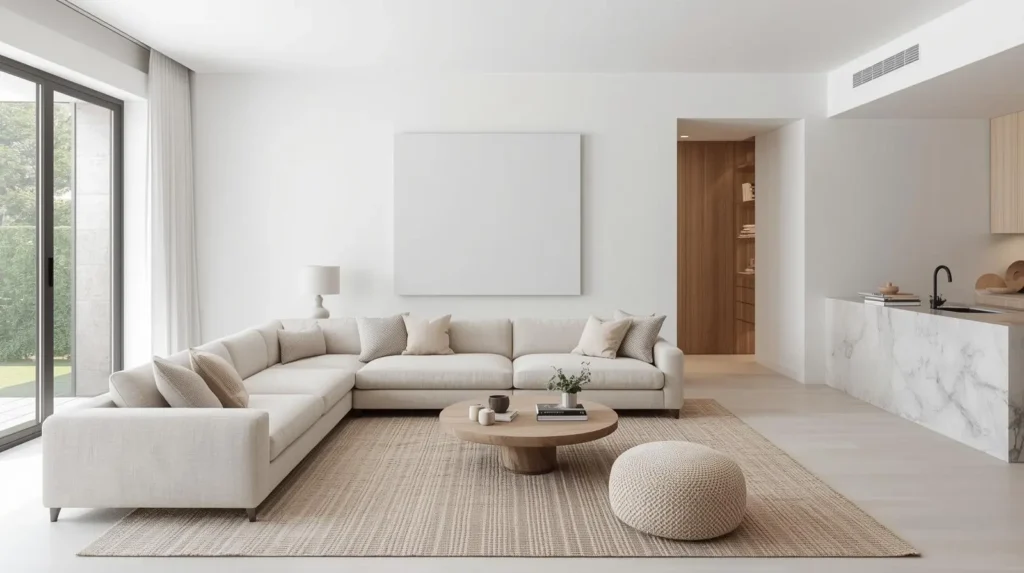
Gray spectrum applications offer sophisticated alternatives to white-based minimalist living room ideas, ranging from light dove gray to deeper charcoal tones that create dramatic yet peaceful environments. Gray provides excellent backdrop colors for natural wood furniture and colorful accent pieces while maintaining the neutral foundation essential to minimalist design principles.
Beige and earth tone integration connects minimalist living room ideas with natural environments through colors inspired by sand, stone, and natural fibers. These warmer neutrals create cozy, inviting spaces that feel grounded and peaceful while providing excellent foundations for incorporating natural materials and textures.
Strategic Accent Color Use
While neutral foundations dominate minimalist living room ideas, strategic use of accent colors can add personality and visual interest without compromising the clean, uncluttered aesthetic essential to successful minimalist design.
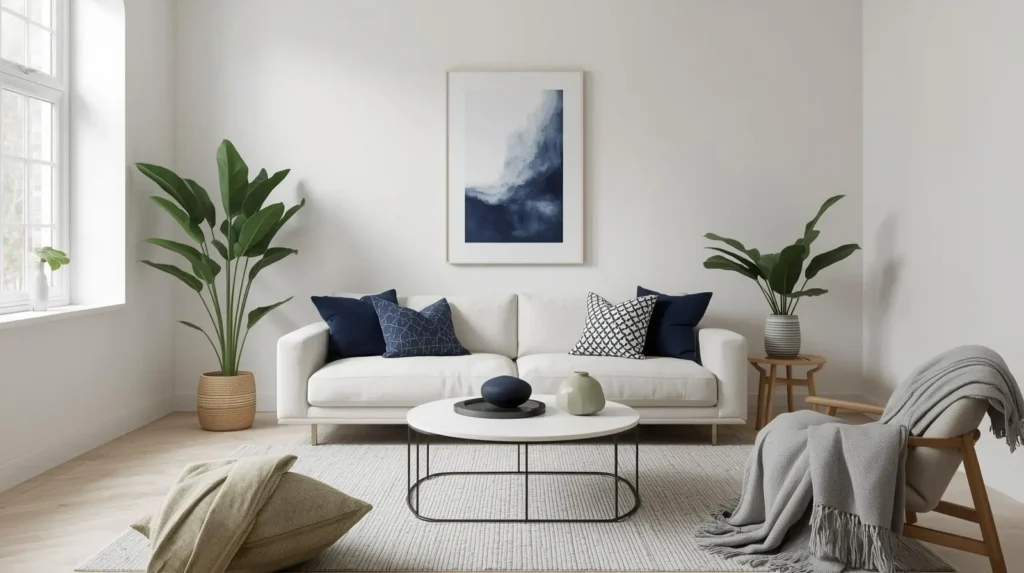
Single accent color approach maintains visual simplicity while adding personality to minimalist living room ideas through consistent use of one carefully chosen color throughout the space. This might involve navy blue pillows, artwork, and a single decorative object, or sage green plants, throw blankets, and ceramic pieces that create cohesion without overwhelming the neutral foundation.
Natural color inspiration draws accent colors from nature—deep forest greens, ocean blues, sunset oranges, or stone grays—that complement rather than compete with the natural materials often featured in minimalist living room ideas. These colors feel organic and timeless rather than trendy, ensuring that accent choices will remain appealing over time.
Seasonal color flexibility allows minimalist living room ideas to evolve throughout the year through simple changes in textile colors, artwork, or decorative objects. Summer might feature cool blues and greens, while winter could introduce warm oranges and deep reds, all within the same neutral foundation that provides consistency and calm.
Furniture Selection for Minimalist Living Room Ideas
Essential Furniture Pieces
Successful minimalist living room ideas require careful selection of furniture pieces that provide necessary function while maintaining the clean, uncluttered aesthetic essential to minimalist design principles.
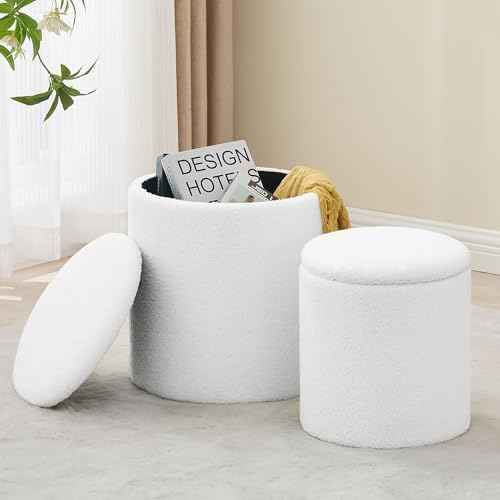
Multi-functional seating solutions maximize utility while minimizing visual clutter in minimalist living room ideas through pieces that serve multiple purposes. Ottoman storage benches provide seating, storage, and coffee table functions, while modular sectional sofas can be reconfigured for different occasions and room layouts. These versatile pieces reduce the total number of furniture items needed while maintaining functionality.
Storage-integrated furniture addresses the practical needs of daily living while supporting the clutter-free aesthetic essential to minimalist living room ideas. Coffee tables with hidden storage compartments, media consoles with closed storage, and built-in shelving systems keep necessary items organized and accessible while maintaining clean visual lines.
Quality construction priorities ensure that minimalist living room ideas feature furniture pieces that will maintain their appearance and function over decades of use. Solid wood construction, high-quality upholstery fabrics, and well-engineered joinery justify higher initial investments while reducing the need for frequent replacement that can disrupt minimalist design goals.
Recommended Minimalist Furniture
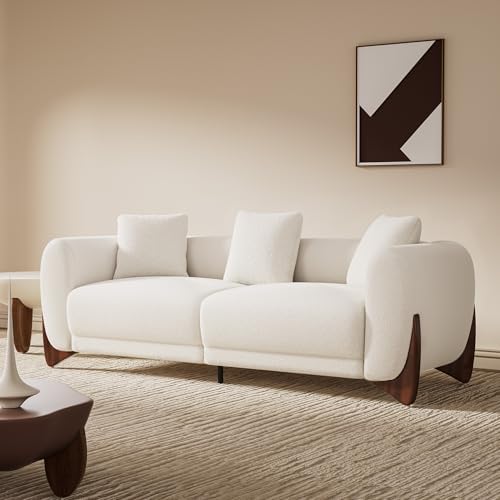
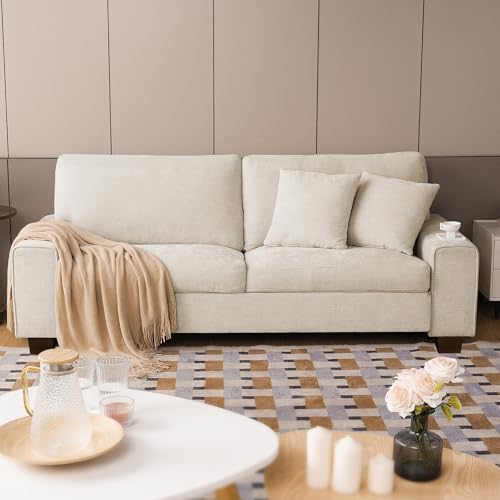
Modern Minimalist Sofa – Clean lines, neutral upholstery, quality construction for long-term use

Multi-Function Coffee Table – Hidden storage, simple design, solid wood construction
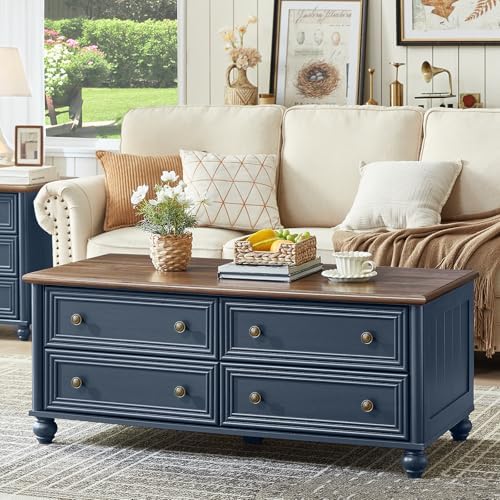
- SPACIOUS STORAGE SPACE: This rustic center table for living room measures 48″ W x 21.9″ D x 19.5″ H, featuring a wide ta…
- UNIQUE DETAILED DESIGN: Featuring 4 equally sized drawers and vintage round brass knobs, this wooden coffee table featur…
- FARMHOUSE COFFEE TABLE: Designed to coordinate with RWYHG furniture collections, this rustic center table features a dis…
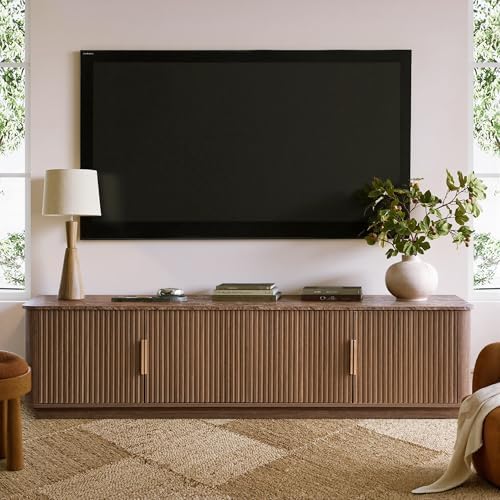
Minimalist Media Console – Closed storage, cable management, clean geometric form


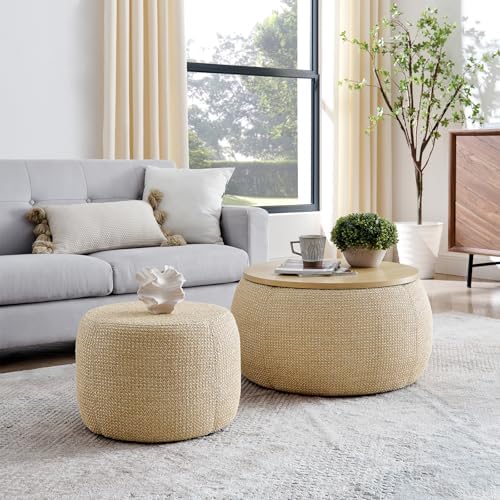
Storage Ottoman Set – Versatile seating and storage, neutral colors, quality materials

Layout and Space Planning
Effective minimalist living room ideas require thoughtful space planning that creates functional zones while maintaining the open, uncluttered feeling essential to minimalist design success.
Conversation area creation organizes seating to facilitate comfortable interaction while maintaining clear pathways and visual openness. Furniture should be close enough for easy conversation but not so close that the space feels cramped or cluttered. Area rugs can help define conversation zones without creating physical barriers.
Traffic flow optimization ensures that minimalist living room ideas support daily movement patterns while maintaining the clean lines and open feeling essential to successful minimalist design. Clear pathways between seating areas, entrances, and other rooms prevent the need to navigate around furniture while preserving the sense of spaciousness.
Focal point establishment creates visual interest in minimalist living room ideas through single, carefully chosen elements that draw attention without overwhelming the space. This might be a piece of artwork, a beautiful view, or an architectural feature that provides visual anchor points while maintaining overall simplicity.
Lighting Design for Minimalist Spaces
Natural Light Maximization
Natural light forms the foundation of successful minimalist living room ideas, creating bright, airy spaces that feel connected to the outdoors while reducing dependence on artificial lighting during daylight hours.
Window treatment selection supports minimalist living room ideas through simple, unobtrusive coverings that provide privacy and light control without adding visual clutter. Roller shades, simple panels, or sheer curtains maintain clean lines while allowing maximum natural light penetration when desired.
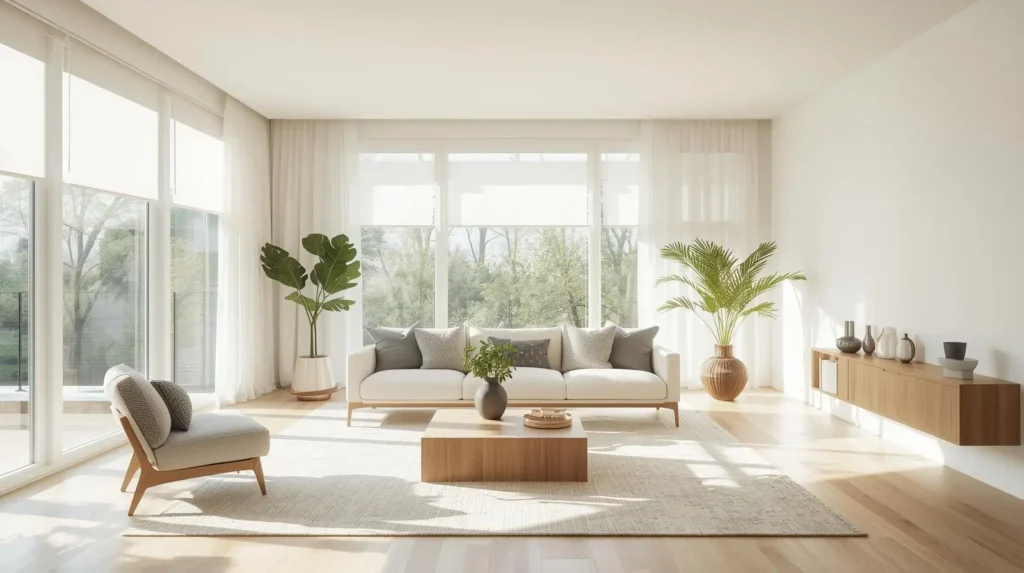
Light-reflecting surfaces amplify available natural light in minimalist living room ideas through strategic use of mirrors, light-colored walls, and glossy finishes that bounce light throughout the space. Large mirrors positioned opposite windows can effectively double the apparent amount of natural light while creating the illusion of expanded space.
Seasonal light adaptation acknowledges that natural light changes throughout the year, requiring flexible approaches to window treatments and artificial lighting that support minimalist living room ideas in all seasons. Summer might require more light filtering, while winter could benefit from maximum light admission and warmer artificial lighting supplements.
Artificial Lighting Solutions
Thoughtful artificial lighting design supports minimalist living room ideas by providing necessary illumination while maintaining the clean, uncluttered aesthetic essential to successful minimalist spaces.
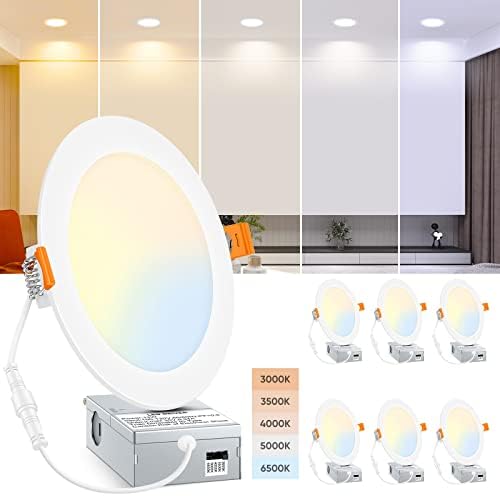
Layered lighting approach creates flexible illumination options for minimalist living room ideas through combination of ambient, task, and accent lighting that can be adjusted for different activities and moods. This might include recessed ceiling lights for general illumination, table lamps for reading, and subtle accent lighting to highlight artwork or architectural features.
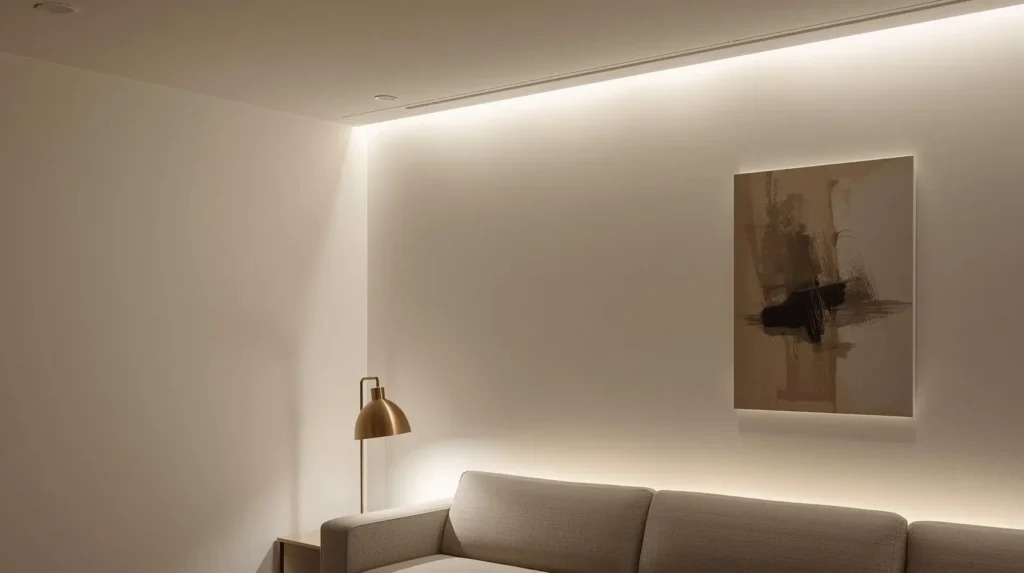
Hidden and integrated lighting maintains clean visual lines in minimalist living room ideas through lighting solutions that provide necessary illumination without adding visual clutter. LED strip lighting behind furniture, recessed fixtures, and built-in lighting systems offer effective illumination while preserving the minimalist aesthetic.
Quality fixture selection ensures that visible lighting elements enhance rather than detract from minimalist living room ideas through simple, well-designed fixtures that complement the overall aesthetic. Choose fixtures with clean geometric forms, quality materials, and timeless designs that will remain appealing over time.
Recommended Lighting Solutions:
Minimalist Floor Lamp – Clean lines, adjustable height, warm LED bulbs

- [7 CCT Adjustable and Dimmable] You may adjust the dimmable floor lamp to meet your requirement for home or business by …
- [Eye Caring & Cozy Light] Multiple light designs including accent lighting mode provide soft, no-flicker light to reduce…
- [RF-433 Remote Control] The RF-433 remote control can effortlessly control the corner lamp from 49 feet away, allowing y…
Recessed LED Lighting Kit – Hidden installation, dimmer compatible, energy efficient


Modern Table Lamp Set – quality materials, appropriate scale

- [Spiral Shape Lamp] This modern LED table lamp features a unique cool spiral infinity loop design, creating a one-of-a-k…
- [3 Colors Temperature] This bedside lamp choose from 3 colors to create the perfect ambiance for any occasion, including…
- [Stepless Dimmable & Eye Protection] The led table lamp comes with stepless dimming switch, to dim brightness smoothly f…
Natural Elements and Textures
Incorporating Plants and Greenery
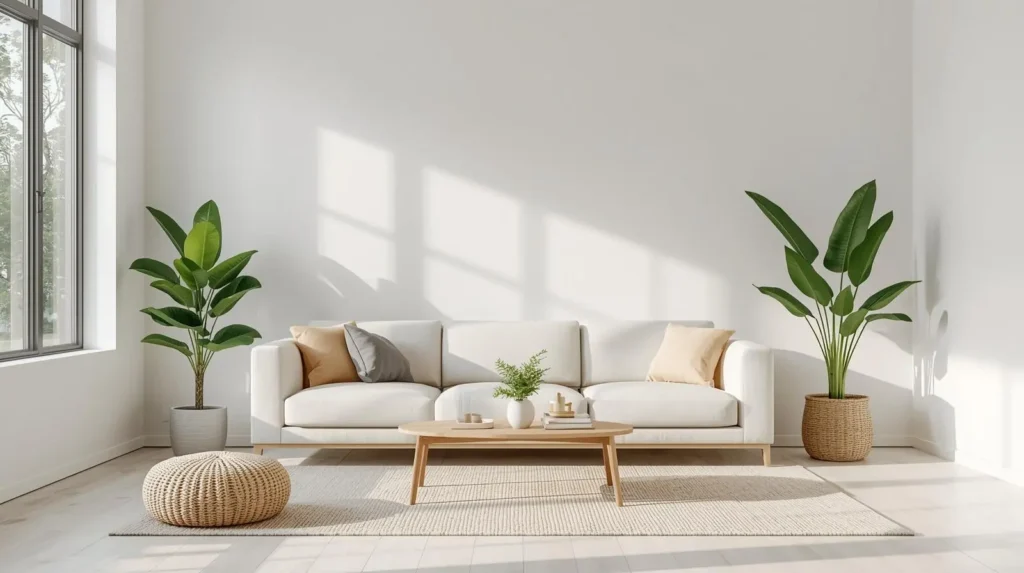
Plants provide essential life and natural beauty in minimalist living room ideas while supporting air quality and creating connections with nature that enhance the peaceful atmosphere essential to zen-inspired design.
Low-maintenance plant selection ensures that greenery enhances rather than complicates minimalist living room ideas through species that thrive with minimal care and attention. Snake plants, pothos, rubber trees, and peace lilies provide beautiful foliage while tolerating varying light conditions and occasional watering neglect.
Strategic plant placement integrates greenery into minimalist living room ideas without creating visual clutter through careful positioning that complements furniture arrangements and architectural features. Large floor plants can serve as natural sculptures, while smaller plants on side tables or shelves add life without overwhelming the space.
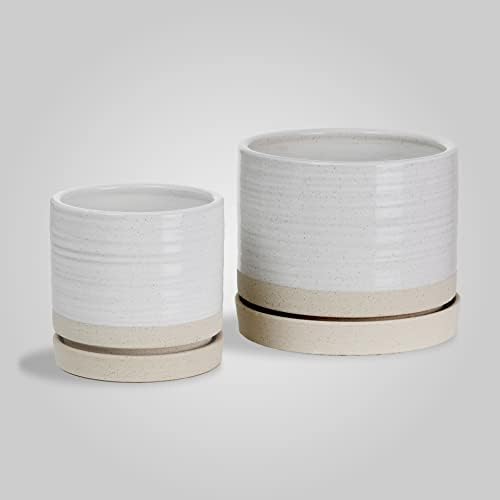
Container selection maintains the clean aesthetic of minimalist living room ideas through simple, well-designed planters that complement rather than compete with the overall design scheme. Neutral ceramic pots, natural fiber baskets, or simple geometric planters provide attractive homes for plants while supporting minimalist design principles.
Natural Material Integration
Natural materials form the foundation of successful minimalist living room ideas by providing warmth, texture, and connection with nature while maintaining the clean, uncluttered aesthetic essential to minimalist design.
Wood element incorporation adds warmth and natural beauty to minimalist living room ideas through furniture, flooring, or architectural elements that showcase natural grain patterns and organic forms. Light woods like oak or maple create bright, airy feelings, while darker woods like walnut provide dramatic contrast and sophisticated atmosphere.
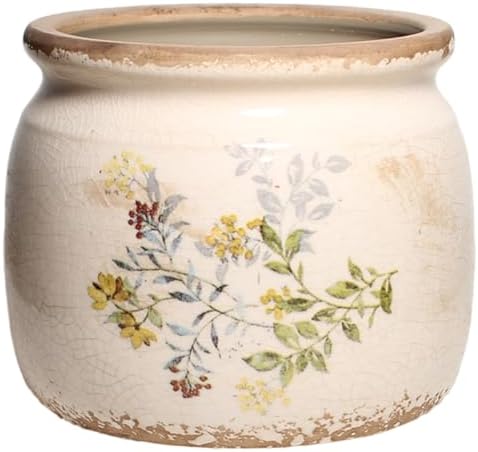
Stone and ceramic accents introduce natural textures and earthy colors into minimalist living room ideas through carefully chosen decorative objects, lighting fixtures, or architectural elements. These materials provide visual weight and grounding that balances the lightness often associated with minimalist design.
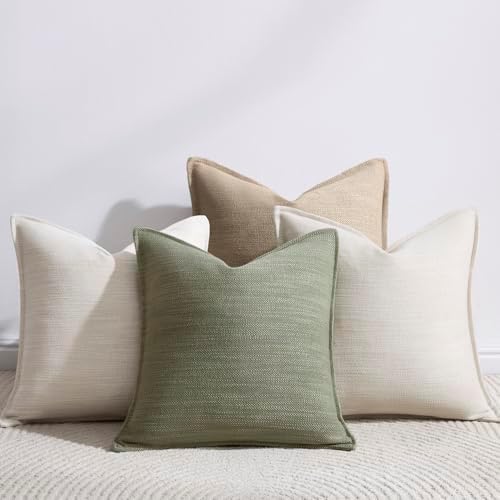
Natural fiber textiles soften the clean lines of minimalist living room ideas while adding comfort and warmth essential for daily living. Linen, cotton, wool, and jute provide beautiful textures and natural colors that complement minimalist aesthetics while supporting comfort and functionality.
Recommended Natural Elements:
Low-Maintenance Plant Collection – Snake plants, pothos, peace lilies for easy care


Natural Fiber Throw Pillows – Linen and cotton covers in neutral colors


Wooden Decorative Objects – Simple forms, natural finishes, quality craftsmanship



Ceramic Planter Set – Clean geometric forms, neutral colors, drainage holes



Storage Solutions and Organization
Hidden Storage Systems
Effective storage solutions support minimalist living room ideas by keeping necessary items organized and accessible while maintaining the clutter-free appearance essential to successful minimalist design.
Built-in storage integration provides seamless organization solutions for minimalist living room ideas through custom or semi-custom systems that blend with architectural elements. Built-in media centers, window seat storage, or wall-mounted shelving systems offer substantial storage capacity while maintaining clean visual lines.
Furniture with concealed storage addresses practical storage needs in minimalist living room ideas through pieces that serve dual purposes without compromising aesthetic goals. Storage ottomans, coffee tables with hidden compartments, and media consoles with closed storage keep items organized while maintaining the uncluttered appearance essential to minimalist success.
Vertical storage utilization maximizes storage capacity in minimalist living room ideas while minimizing floor space consumption through wall-mounted systems and tall, narrow furniture pieces. Floating shelves, wall-mounted cabinets, and tall bookcases provide storage without creating visual clutter at eye level.
Decluttering Strategies
Successful minimalist living room ideas require ongoing attention to organization and decluttering that prevents accumulation of unnecessary items while maintaining the peaceful, uncluttered atmosphere essential to minimalist living.
Regular assessment routines maintain the clutter-free environment essential to minimalist living room ideas through scheduled reviews of possessions and decorative elements. Monthly or seasonal assessments help identify items that no longer serve functional or aesthetic purposes, preventing gradual accumulation that can undermine minimalist goals.

One-in-one-out policies prevent clutter accumulation in minimalist living room ideas by requiring removal of existing items before adding new ones. This approach maintains consistent item counts while encouraging thoughtful consideration of new purchases and their contribution to overall design goals.
Seasonal rotation systems allow for variety and change in minimalist living room ideas while maintaining the essential simplicity through strategic storage and rotation of decorative elements, textiles, and seasonal items. This approach provides visual interest and seasonal adaptation without permanent clutter accumulation.
Budget-Friendly Minimalist Living Room Ideas
DIY and Upcycling Projects
Creating beautiful minimalist living room ideas doesn’t require expensive purchases when approached with creativity and willingness to invest time in DIY projects and thoughtful upcycling of existing pieces.
Furniture refinishing projects transform existing pieces into minimalist-appropriate furniture through simple techniques like sanding, painting, or staining that emphasize clean lines and neutral colors. Removing ornate hardware, simplifying decorative elements, and applying fresh finishes can dramatically update furniture to support minimalist living room ideas.
Simple decorative projects create custom elements for minimalist living room ideas through basic crafting techniques that produce beautiful, personalized pieces. Hand-thrown pottery, simple macrame wall hangings, or framed botanical prints provide unique decorative elements while maintaining the clean aesthetic essential to minimalist design.
Organization system creation addresses storage needs in minimalist living room ideas through DIY solutions that provide custom organization while maintaining visual simplicity. Simple wooden boxes, fabric storage bins, or custom shelving systems can be created to meet specific storage needs while supporting overall design goals.
Smart Shopping Strategies
Implementing minimalist living room ideas on limited budgets requires strategic shopping approaches that prioritize quality and longevity while avoiding impulse purchases that can undermine both financial and aesthetic goals.
Investment piece prioritization focuses limited budgets on high-impact items that will serve as foundations for minimalist living room ideas over many years. Quality sofas, solid wood coffee tables, or well-designed lighting fixtures justify higher initial costs through longevity and continued satisfaction.
Secondhand and vintage shopping provides access to quality pieces for minimalist living room ideas at reduced costs while supporting sustainable consumption practices. Vintage furniture often features the solid construction and simple designs that work well in minimalist spaces, while secondhand shopping allows for experimentation with different pieces before making major investments.
Gradual implementation approaches spread costs over time while allowing for thoughtful consideration of each addition to minimalist living room ideas. Building minimalist spaces slowly prevents budget strain while ensuring that each new element genuinely contributes to overall design goals rather than simply filling empty space.
Budget-Friendly Minimalist Essentials:
Affordable Minimalist Decor – Simple vases, neutral textiles, basic storage solutions

- VERSATILE SET: Collection includes 4 uniquely shaped ceramic vases in complementary neutral tones – Terracotta, Cacao br…
- MODERN DESIGN: Minimalist matte finish vases feature clean lines and contemporary silhouettes perfect for farmhouse and …
- PERFECT SIZES: Varied heights and shapes create visual interest, with the vase measuring approximately 10 inches, 6.9in,…
DIY Project Supplies – Sandpaper, paint, basic tools for furniture updates
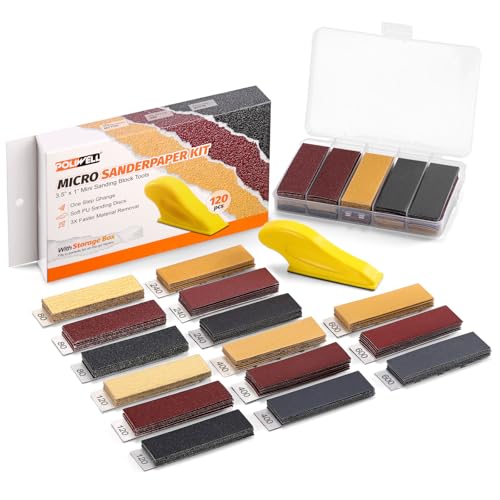
- 【Assorted Grit Sandpaper Sheets】This sandpaper kit includes 24 sheets each of grits 80, 120,240, 400, and 600,1 pcs sand…
- 【Grit Organizer Box】Efficient Grit Management System.This sandpaper kit allows for quick grit identification in just one…
- 【Variety Sandpaper Sheets】This sandpaper kit features 3 types of materials: red aluminum oxide sandpaper, yellow coated …
Organization Containers – Simple baskets, boxes, bins for hidden storage

- Sturdy&Durable: The 13x15x13in cube storage bins made of superior thick fabric and cardboard, with shiny metal handles. …
- Complementary Decor: With a choice of 5 neutral hues – grey, coffee, white, black and begie, these chic, fashionable and…
- Practical Design: The foldable feature of the fabric storage cubes is that it’s space-saving, convenient to use and take…
Common Mistakes in Minimalist Living Room Design
Avoiding Sterile Environments
One of the most frequent challenges in implementing minimalist living room ideas involves creating spaces that feel warm and inviting rather than cold or institutional, requiring careful attention to texture, color, and personal elements.
Texture and warmth integration prevents minimalist living room ideas from feeling sterile through strategic use of natural materials, soft textiles, and varied surface treatments that add visual and tactile interest without creating clutter. Wool throws, wooden furniture, and natural fiber rugs provide essential warmth while maintaining clean aesthetic lines.
Personal element inclusion ensures that minimalist living room ideas reflect individual personality and lifestyle needs rather than appearing like generic showrooms. Carefully chosen artwork, meaningful decorative objects, or family photos can provide personal connection while supporting overall minimalist principles.
Comfort prioritization maintains the livability essential to successful minimalist living room ideas through attention to seating comfort, appropriate lighting for various activities, and practical considerations that support daily use rather than just visual appeal.
Balancing Function and Aesthetics
Successful minimalist living room ideas require careful balance between visual simplicity and practical functionality that supports comfortable daily living for individuals and families.
Storage reality acknowledgment addresses the practical storage needs of real life while maintaining the clutter-free appearance essential to minimalist living room ideas. Most families require substantial storage for books, games, electronics, and seasonal items that must be accommodated without compromising aesthetic goals.
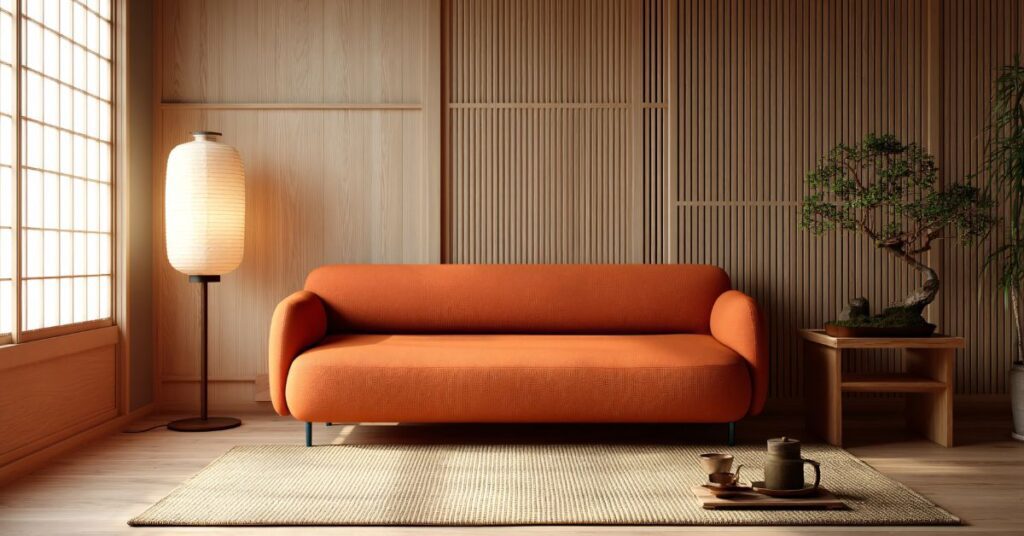
Lifestyle accommodation ensures that minimalist living room ideas support rather than restrict daily activities and family needs. Families with children, pet owners, or people who entertain frequently require different solutions than single adults or couples without children.
Maintenance consideration recognizes that minimalist living room ideas must be sustainable over time through realistic approaches to cleaning, organization, and upkeep that don’t require excessive time or effort to maintain.
Conclusion: Creating Your Minimalist Living Room Sanctuary
Implementing minimalist living room ideas successfully requires patience, intentionality, and commitment to the underlying principles of simplicity, functionality, and beauty that define zen-inspired design. The most effective minimalist living room ideas balance aesthetic goals with practical needs, creating spaces that serve as peaceful retreats from daily stress while supporting comfortable living and meaningful social connection.
Remember that minimalist living room ideas are not about deprivation or stark emptiness, but rather about thoughtful curation that allows each element to be appreciated and enjoyed. The goal is creating spaces that feel both serene and welcoming, supporting relaxation and social connection while reflecting your values around intentional living and mindful consumption.
As you develop your minimalist living room ideas, trust the process and allow your understanding to deepen through experience and reflection. The most profound benefits often emerge gradually as new habits become established and as you discover the peace and clarity that come from living with greater intentionality in your most important spaces.
Whether you’re seeking to reduce stress, improve focus, or simply create more beautiful and functional living spaces, minimalist living room ideas provide practical frameworks and design principles that can transform your home while supporting your vision of a life well-lived.
Frequently Asked Questions
How do I start implementing minimalist living room ideas on a tight budget?
Begin with decluttering and reorganizing existing items, which costs nothing but can dramatically improve your space. Focus on one investment piece at a time, such as a quality sofa or coffee table, while using DIY projects to update existing furniture. Shop secondhand for solid wood pieces that can be refinished to match minimalist aesthetics.
Can minimalist living room ideas work with children and pets?
Absolutely. Choose durable, easy-to-clean materials and furniture with hidden storage for toys and supplies. Focus on quality pieces that can withstand daily use, and create designated storage areas that maintain the clean aesthetic while accommodating family needs.
What’s the difference between minimalist and Scandinavian design?
While both emphasize simplicity and functionality, minimalist living room ideas focus more strictly on reducing elements to essentials, while Scandinavian design incorporates more texture, pattern, and cozy elements (hygge). Minimalist design tends to be more austere, while Scandinavian design prioritizes warmth and comfort.
How many decorative items should I include in minimalist living room ideas?
Focus on quality over quantity—choose 3-5 meaningful decorative pieces that serve as focal points rather than filling surfaces with multiple small items. Each piece should have personal significance or exceptional beauty that justifies its presence in the space.
Related Articles
Explore these complementary guides to enhance your minimalist living approach:
•Minimalist Lifestyle Guide: Transform Your Life – Comprehensive approach to minimalist living
References
[1] Saxbe, D. E., & Repetti, R. (2010). “No place like home: Home tours correlate with daily patterns of mood and cortisol.” Personality and Social Psychology Bulletin, 36(1), 71-81.
[2] McMains, S., & Kastner, S. (2011). “Interactions of top-down and bottom-up mechanisms in human visual cortex.” Journal of Neuroscience, 31(2), 587-597.
[3]SHANAY. Zen Living Room Ideas: Create Peace with Minimalist Design. Disponível em: <https://divinedecorfinds.com/zen-living-room-ideas-create-peace-with-minimalist-design/>. Acesso em: 7 dez. 2025.