

Choosing feng shui colors for each room in your home creates harmonious environments that support specific activities, enhance energy flow, and promote wellbeing through intentional color selection based on ancient Chinese principles. Unlike arbitrary color choices driven solely by aesthetic preferences, feng shui colors for each room consider the five elements (wood, fire, earth, metal, water ), directional associations, and the specific functions that different spaces serve in your home. This systematic approach to color selection transforms ordinary rooms into balanced environments that support everything from restful sleep to productive work and joyful family gatherings.
Understanding feng shui colors for each room begins with recognizing that colors carry specific energetic qualities that interact with the natural elements and influence human psychology and physiology. Red stimulates activity and passion, blue promotes calm and introspection, green encourages growth and healing, while earth tones provide stability and grounding. When you apply feng shui colors for each room strategically, you create environments where the color palette actively supports the room’s intended purpose rather than working against it.
The beauty of using feng shui colors for each room lies in the flexibility of the system—you don’t need to paint entire walls in specific colors to benefit from feng shui principles. Accent walls, textiles, artwork, and decorative objects all contribute to a room’s color energy, allowing you to incorporate feng shui colors for each room while maintaining personal aesthetic preferences. This approach makes feng shui accessible to renters, those working with existing furniture, and anyone who wants to experiment gradually rather than committing to dramatic changes.
Learning to select appropriate feng shui colors for each room empowers you to create homes that feel instinctively right, supporting your daily activities and long-term goals through environments that work with rather than against natural energy patterns. Whether you’re designing a new home, refreshing existing spaces, or simply curious about how color influences energy, understanding feng shui colors for each room provides valuable frameworks for creating harmonious, supportive living environments.
Table of Contents
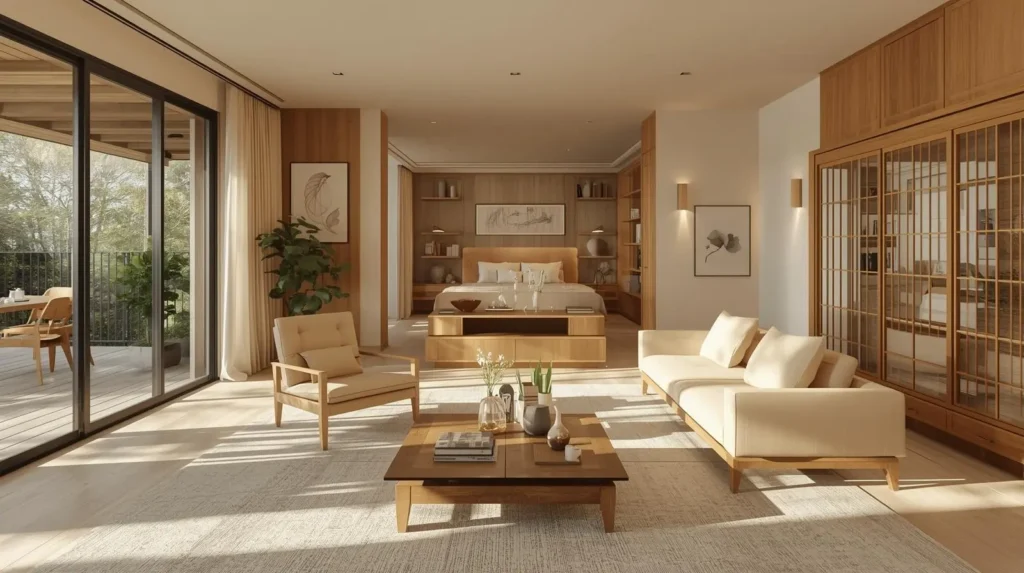
Understanding Feng Shui Color Theory
The Five Elements and Their Colors
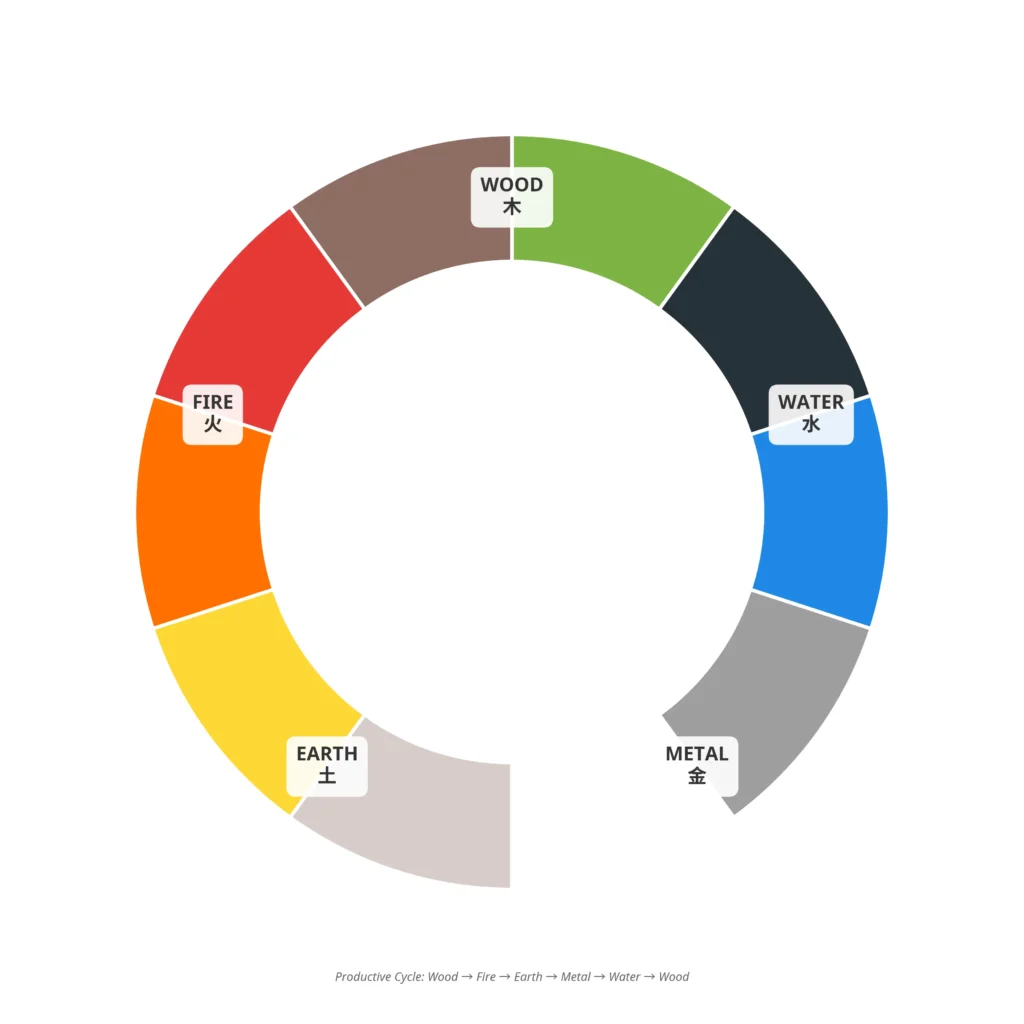
The foundation of feng shui colors for each room rests on the five-element system that associates specific colors with elemental energies that influence different aspects of life and wellbeing.
Wood Element connects with green and brown colors that represent growth, vitality, new beginnings, and upward movement. In feng shui colors for each room, wood element colors work beautifully in spaces dedicated to creativity, learning, family activities, and health. These colors bring the energy of spring—fresh, renewing, and full of potential. Light greens promote gentle growth and healing, while deeper greens provide more substantial grounding. Brown tones, representing tree trunks and earth, add stability to wood element spaces.
Fire Element manifests through red, orange, pink, and purple—colors that stimulate activity, passion, recognition, and transformation. When selecting feng shui colors for each room, fire element colors energize spaces intended for social interaction, celebration, and dynamic activity. Red represents the strongest fire energy, promoting excitement and intensity, while softer pinks provide gentler warmth. Orange combines fire’s vitality with earth’s stability, making it excellent for social spaces. Purple, especially deep shades, connects with spiritual awareness and luxury.
Earth Element expresses through beige, tan, yellow, and sandy tones that create stability, nourishment, and centeredness. Earth element colors in feng shui colors for each room provide grounding energy that supports rest, digestion, and contemplation. These colors work particularly well in spaces where you want to feel secure and supported. Light yellows bring cheerful earth energy, while deeper tans and browns provide more substantial grounding. Earth tones create excellent foundations for other colors, making them versatile choices when planning feng shui colors for each room.
Metal Element appears in white, gray, and metallic colors (gold, silver, copper, bronze) that represent clarity, precision, efficiency, and completion. Metal element colors in feng shui colors for each room create clean, organized environments that support focus and productivity. White provides fresh, clean energy that enhances clarity and new beginnings. Gray offers sophisticated neutrality that calms without being cold. Metallic accents add refinement and completion energy to spaces.
Water Element flows through black, dark blue, and deep charcoal colors that embody wisdom, introspection, career success, and emotional depth. Water element colors in feng shui colors for each room create contemplative, restful environments that support deep thinking and spiritual practice. Black, used judiciously, adds sophistication and depth. Navy and deep blues provide calming water energy without the heaviness of pure black. Water colors work best as accents rather than dominant colors in most residential spaces.
The Bagua Map and Directional Colors
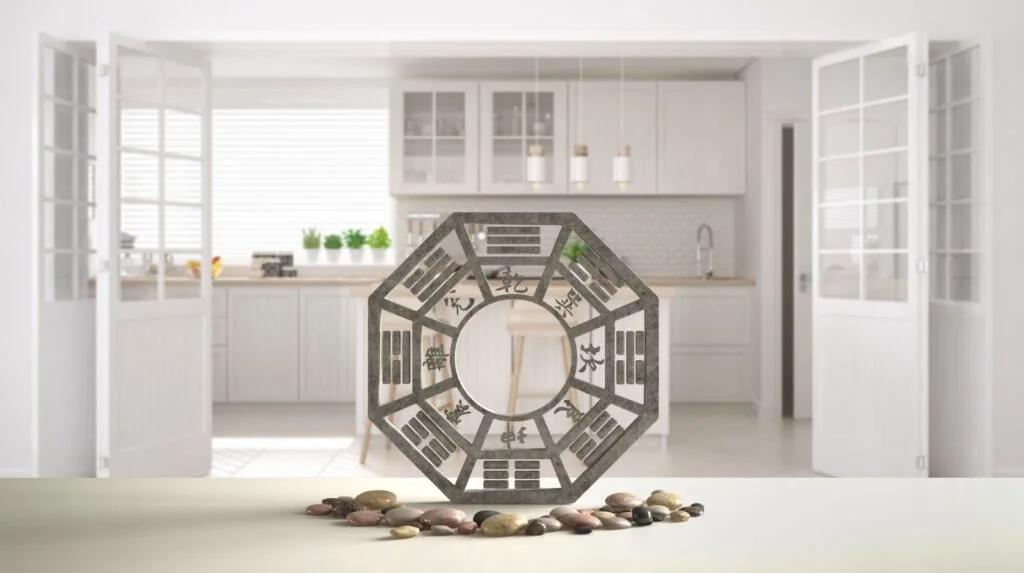
Understanding how feng shui colors for each room relate to compass directions and life areas provides additional guidance for color selection.
North (Career & Life Path) connects with water element colors—black, dark blue, and charcoal. When choosing feng shui colors for each room in the north sector of your home, water colors support career development and life direction clarity.
Northeast (Knowledge & Cultivation) associates with earth element colors—beige, tan, and yellow. These colors support learning, spiritual growth, and self-cultivation when applied to feng shui colors for each room in the northeast.
East (Health & Family) corresponds with wood element colors—green and brown. Feng shui colors for each room in the east sector benefit from these growth-oriented colors that support family harmony and physical health.
Southeast (Wealth & Abundance) also connects with wood element, particularly purple and rich greens. When selecting feng shui colors for each room in the southeast, these colors support prosperity and abundance.
South (Fame & Recognition) aligns with fire element colors—red, orange, and purple. Feng shui colors for each room in the south sector benefit from these vibrant colors that enhance visibility and reputation.
Southwest (Love & Relationships) associates with earth element colors, particularly pink, peach, and warm earth tones. These colors support partnership and relationships when used as feng shui colors for each room in the southwest.
West (Children & Creativity) corresponds with metal element colors—white, gray, and metallics. Feng shui colors for each room in the west sector benefit from these colors that support creative expression and children’s wellbeing.
Northwest (Helpful People & Travel) also connects with metal element, particularly silver and gray. These colors support mentorship, helpful connections, and travel opportunities when used as feng shui colors for each room in the northwest.
Feng Shui Colors for Bedrooms
Master Bedroom Color Recommendations
The master bedroom requires careful consideration when selecting feng shui colors for each room, as this space significantly impacts rest quality, relationship harmony, and personal restoration. Color works best alongside a thoughtful bedroom layout, starting with where you place the bed.
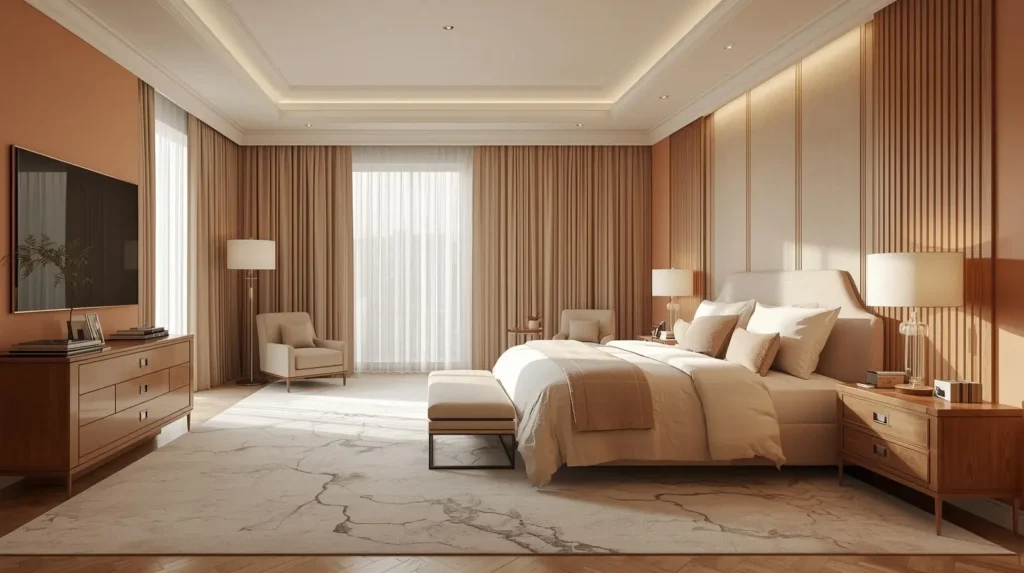
Skin tone colors represent the most recommended feng shui colors for each room when it comes to master bedrooms—soft peach, warm beige, cocoa, and cream create intimate, sensual environments that support both rest and romance. These colors, reminiscent of human skin tones, promote feelings of safety, warmth, and connection. They work beautifully as wall colors or can be incorporated through bedding, curtains, and upholstered furniture.
Soft blues and greens provide excellent feng shui colors for each room options for master bedrooms, particularly for individuals who run hot, experience anxiety, or need extra support for restful sleep. Light blue promotes tranquility and communication, while sage green encourages healing and renewal. These colors connect with wood and water elements, bringing calming energy without being sedating.
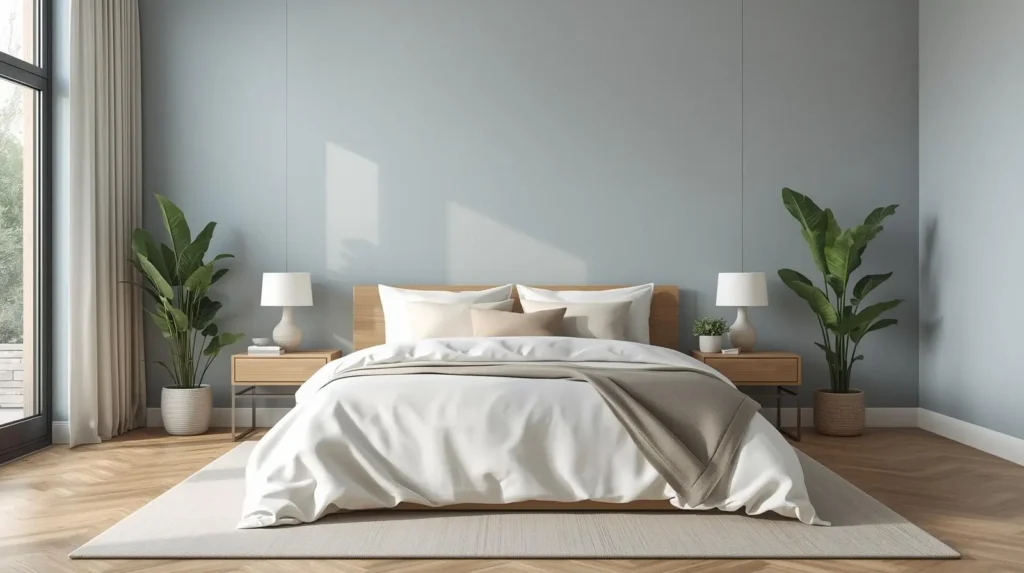
Warm earth tones including taupe, mushroom, and warm gray create grounding master bedroom environments. When choosing feng shui colors for each room, these neutral earth tones provide versatile foundations that work with various accent colors while maintaining the stability and security essential for quality rest.
Colors to minimize in master bedrooms include bright reds (too stimulating for rest), stark white (too clinical and cold), and dark colors like black or deep navy as dominant colors (can feel heavy and oppressive). Small accents of these colors work fine, but they shouldn’t dominate when selecting feng shui colors for each room.
Children’s Bedroom Colors
Children’s bedrooms require different feng shui colors for each room considerations based on the child’s age, temperament, and needs.
Soft greens and blues work beautifully for children of all ages, promoting calm, focus, and healthy growth. These feng shui colors for each room choices support both play and rest, making them versatile for spaces that serve multiple functions. Light green particularly supports learning and development, while soft blue encourages peaceful sleep.
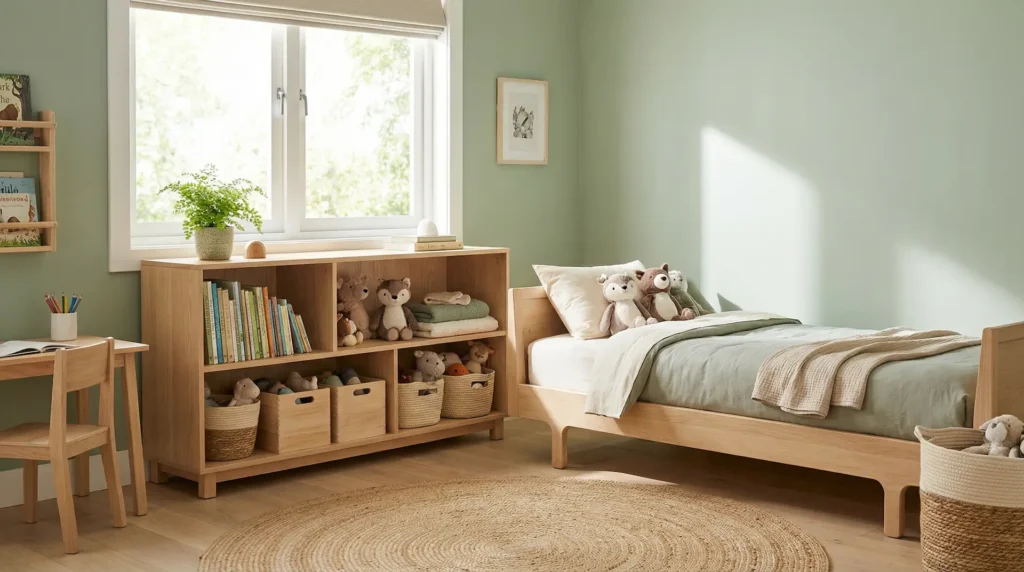
Gentle yellows and peaches create cheerful, nurturing environments for younger children. When selecting feng shui colors for each room for young children, these warm colors provide security and happiness without overstimulation. They work particularly well in rooms with northern exposure that receive less natural light.
Lavender and soft purple suit older children and teenagers, supporting creativity and spiritual development. These feng shui colors for each room options work well for artistic children or those interested in introspection and personal growth.
Avoid excessive red or orange in children’s bedrooms, as these stimulating colors can interfere with rest and increase hyperactivity. If your child loves these colors, use them as small accents rather than dominant colors when planning feng shui colors for each room.
Recommended Bedroom Products:
Organic Cotton Bedding Sets – Natural materials in feng shui colors

- GOTS-CERTIFIED ORGANIC COTTON – Made from 100% organic cotton with AZO-free dyes for soft, sustainable, and durable bedd…
- STONE-WASHED GINGHAM DESIGN – Features a woven check pattern that’s breathable, stylish, and pre-softened for a cozy, li…
- FITTED SHEET WITH ELASTIC SEAM – Full elastic around the edge keeps the fitted sheet snug and secure for easy bed-making
Blackout Curtains in Earth Tones – Support restful sleep in appropriate colors
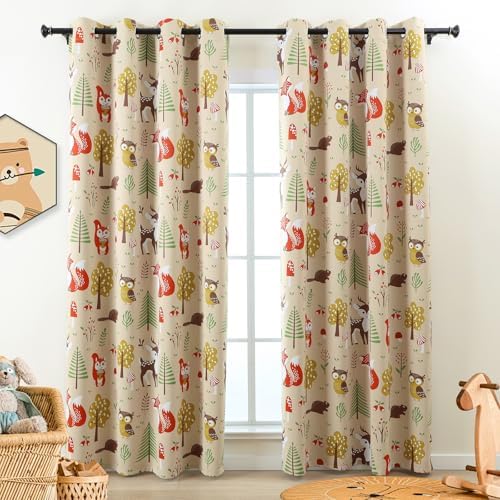
- Blackout performance: L.Z.E Kids Room Darkening Curtains are not 100% blackout, they let in a small amount of light whil…
- Cute and fun pattern: The front side of the curtain (the side facing the room) is printed with cute forest animal patter…
- Package: 2 panels set. Each curtain panel is neatly stitched, has a fabric width of 52″ and an overall length (including…
Himalayan Salt Lamp – Warm glow enhances earth element energy

- 【11-15 lbs Large Salt Lamp】 Handcrafted with premium pink Himalayan crystal salt, our 9-11 inch giant Himalayan Salt Lam…
- 【16-Color Cycle & Customizable Lighting】 Elevate your space with the mesmerizing color-changing feature. The upgraded re…
- 【Adjustable Brightness & Light Modes】 Tailor the brightness to suit your needs with the adjustable settings, and choose …
Feng Shui Colors for Living Rooms
Creating Balanced Social Spaces
Living rooms serve as primary gathering spaces, making feng shui colors for each room particularly important for creating environments that support conversation, relaxation, and family connection.
Warm earth tones including beige, tan, terracotta, and warm gray create welcoming living room environments that encourage gathering and conversation. These feng shui colors for each room choices provide neutral foundations that work with various accent colors while maintaining the grounded, stable energy essential for comfortable social spaces.
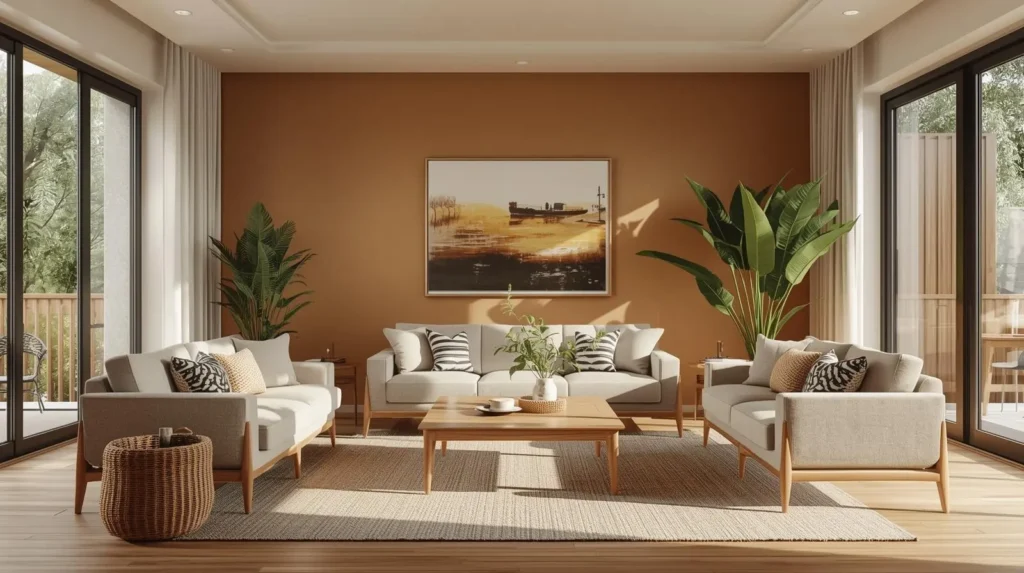
Soft greens bring wood element energy that supports family harmony and growth. When choosing feng shui colors for each room, sage, moss, or olive green create sophisticated living rooms that feel both calming and alive. Green works particularly well in living rooms located in the east or southeast sectors of homes.
Warm yellows and golds create cheerful, uplifting living rooms that encourage optimism and social interaction. These earth element colors work beautifully as accent walls or through textiles and accessories when planning feng shui colors for each room.
Accent colors allow you to incorporate fire element energy through red, orange, or purple accents without overwhelming the space. Throw pillows, artwork, or decorative objects in these colors add vitality to living rooms while maintaining overall balance in your feng shui colors for each room scheme.
Directional Considerations for Living Rooms
The compass direction of your living room influences optimal feng shui colors for each room choices.
South-facing living rooms benefit from fire element colors—reds, oranges, and purples—that enhance the natural fire energy of the south direction. Use these colors through accent walls, artwork, or textiles to support recognition and social connection.
North-facing living rooms work well with water and metal element colors—blues, blacks, whites, and grays—that complement the water energy of the north. These feng shui colors for each room choices support career discussions and life path contemplation.
East or southeast-facing living rooms thrive with wood element colors—greens and browns—that enhance family harmony and prosperity energy. These feng shui colors for each room selections create naturally balanced environments.
West or northwest-facing living rooms benefit from metal element colors—whites, grays, and metallics—that support creativity and helpful connections. These colors create clean, organized social spaces.
Recommended Living Room Products:
Throw Pillow Sets in Feng Shui Colors – Easy way to incorporate element colors
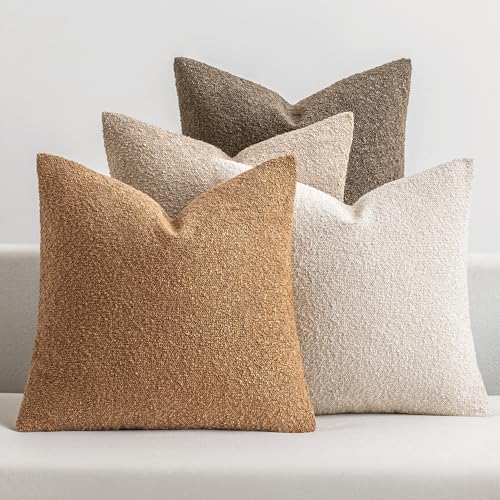
- 100% Polyester
- Timeless Boucle:Popular amongst mid-century designers of the 1940s, Bouclé is a trendy yet timeless loop detailing textu…
- Cozy Handfeel:These cozy pillows textured hand-feel provide an extra cozy feeling in comparison to normal poly couch pil…
Area Rugs in Earth Tones – Ground living room energy

- Neutral Vintage Rug: This area rug features a trendy retro design adorned with medallion pattern. Its unique tones blend…
- Soft and Pet-Friendly: Crafted from high-quality, spill- and stain-resistant, non-shedding material.This rug offers a pl…
- Non-Slip and Low Pile: Bottom of washable rug has a soft TPE rubber backing that provided good adhesion to ground to mak…
Wall Art with Feng Shui Colors – Add element energy through artwork

- Wealth Attraction Metal Wall Art Decoration: This wealth attraction metal wall art decoration is unique, skillfully inte…
- High-Quality Materials: The wealth attraction metal wall art is made of high-quality metal materials, which are sturdy a…
- Convenient for Hanging: This feng shui metal wall decor equipped with a convenient hanging device, the installation is s…
Feng Shui Colors for Kitchens and Dining Rooms
Kitchen Color Strategies
Kitchens represent nourishment and health, making thoughtful feng shui colors for each room selection essential for creating spaces that support wellbeing and family prosperity.
White and cream create clean, fresh kitchen environments that support food safety and hygiene. These metal element colors in feng shui colors for each room applications promote clarity and organization—essential qualities for functional kitchens. White also reflects light, making kitchens feel larger and brighter.
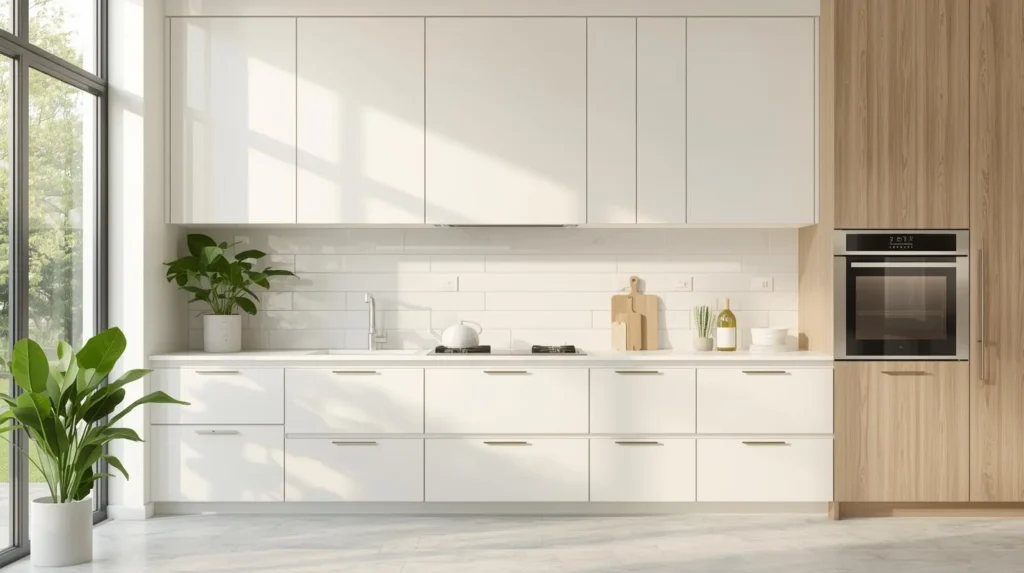
Warm yellows and golds bring earth element energy that supports nourishment and family connection. When choosing feng shui colors for each room, these cheerful colors create welcoming kitchens that encourage cooking and gathering. Soft yellow works beautifully as wall color or through accessories and textiles.
Natural wood tones through cabinetry, flooring, or furniture bring wood element energy that supports health and growth. These feng shui colors for each room choices create warmth and connection to nature while providing visual interest through natural grain patterns.
Green accents support health energy through plants, artwork, or small appliances. When planning feng shui colors for each room, fresh green accents in kitchens reinforce the connection between food and vitality.
Minimize fire element colors like red and orange in kitchens, as these can create excessive fire energy in spaces already dominated by cooking fire. If you love these colors, use them sparingly as small accents rather than dominant colors in your feng shui colors for each room scheme.
Dining Room Colors
Dining rooms benefit from feng shui colors for each room that encourage appetite, conversation, and family bonding.
Warm earth tones including terracotta, rust, warm beige, and golden yellow create inviting dining environments that stimulate appetite and encourage lingering. These feng shui colors for each room choices make dining rooms feel cozy and welcoming.
Rich greens bring wood element energy that supports family harmony and health. Deep sage, forest green, or olive create sophisticated dining rooms when selecting feng shui colors for each room.
Accent reds and oranges can work in dining rooms more successfully than in kitchens, as they stimulate appetite and conversation without the fire safety concerns of cooking areas. Use these colors through artwork, table linens, or accent walls when planning feng shui colors for each room.
Recommended Kitchen & Dining Products:
Kitchen Canisters in Earth Tones – Organize with appropriate feng shui colors

- Designed for a touch of elegance at family meals, the Casa collection has a beautiful reactive glaze finish
- Traditional finishing techniques produce differences in color, size, and texture, ensuring no two pieces are exactly ali…
- Dishwasher safe and microwave Safe
Dining Table Linens in Warm Colors – Easy color updates for dining rooms
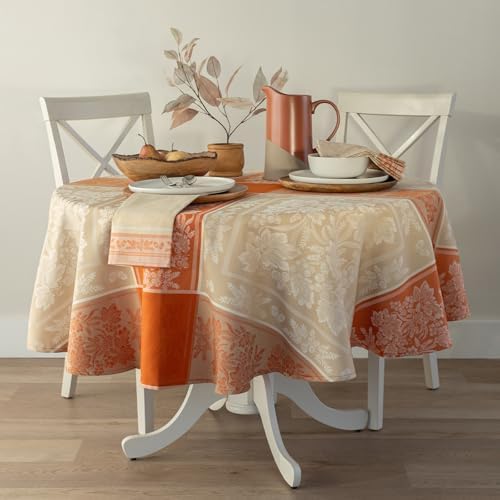
- Easy Care Heavyweight Engineered Jacquard Tablecloth.
- A tablecloth perfect for your harvest holiday decor, featuring classic autumn foliage motifs. Effortlessly dress up your…
- Complete your fall table setting with the coordinating napkins (Napkins sold separately).
Kitchen Herb Garden Kit – Add living green energy

- COMPLETE INDOOR HERB GARDEN STARTUP KIT – EVERYTHING INCLUDED.This ultimate herb garden kit is a true all-in-one herb st…
- PREMIUM QUALITY SEEDS & SOIL – GUARANTEED TO SPROUT.Experience the unparalleled freshness of home-grown herbs! Our herb …
- THE PERFECT UNIQUE GIFT FOR WOMEN & PLANT LOVERS.Beautifully packaged and gift-ready, this herb kit makes a memorable bi…
Feng Shui Colors for Bathrooms
Balancing Water Energy
Bathrooms present unique challenges when selecting feng shui colors for each room, as they naturally contain excessive water energy that needs balancing.
White and light colors work beautifully in bathrooms, creating clean, fresh environments while reflecting light in typically small spaces. These metal element colors in feng shui colors for each room applications help control excessive water energy while promoting cleanliness and hygiene.
Earth element colors including beige, tan, cream, and warm gray provide excellent feng shui colors for each room choices for bathrooms because earth element controls water element in the five-element cycle. These colors create spa-like environments that feel warm and grounding rather than cold and sterile.
Soft greens and blues can work in bathrooms if balanced with earth or metal elements through accessories, towels, or artwork. When choosing feng shui colors for each room, these colors create refreshing, nature-inspired bathrooms that support cleansing and renewal.
Avoid excessive dark colors like black or deep navy as dominant bathroom colors, as these amplify water energy that’s already excessive in bathrooms. Small accents work fine, but choose lighter feng shui colors for each room as primary bathroom colors.
Recommended Bathroom Products:
Organic Cotton Towels – Balance water energy with earth colors

- Luxurious Waffle Weave: Soft, textured Turkish cotton for spa-like comfort
- Complete Towel Set: Set includes 1 bath towel measuring 30×60 inches and 2 large hand towels measuring 20×30 inches
- OEKO-TEX Certified Premium Quality: 100% OEKO-TEX Certified Turkish cotton that is safe and skin-friendly, Made in Turke…
Bamboo Bath Accessories – Add wood element to control water

- Nullify
- Premium Natural Material: Our bathroom accessory sets are crafted out of high-quality natural bamboo, which is rust free…
- Safe and Healthy Construction: Our bamboo bathroom accessories set uses pure natural materials and handmade craftsmanshi…
Natural Stone Soap Dishes – Incorporate earth element

- Natural Marble Material: HAMAKAWA Marble soap dish is crafted from premium natural Emperador Dark marble. Each stone soa…
For more guidance on creating harmonious bathroom environments, explore our creating a zen space at home guide which includes bathroom design principles.
Feng Shui Colors for Home Offices
Supporting Productivity and Focus
Home offices require feng shui colors for each room that enhance concentration, creativity, and professional success while maintaining comfortable environments for extended work periods.
Soft greens promote growth, creativity, and fresh thinking—ideal qualities for home offices. When selecting feng shui colors for each room for work spaces, green supports both analytical thinking and creative problem-solving. Sage, moss, or seafoam green create sophisticated offices that feel both professional and calming.
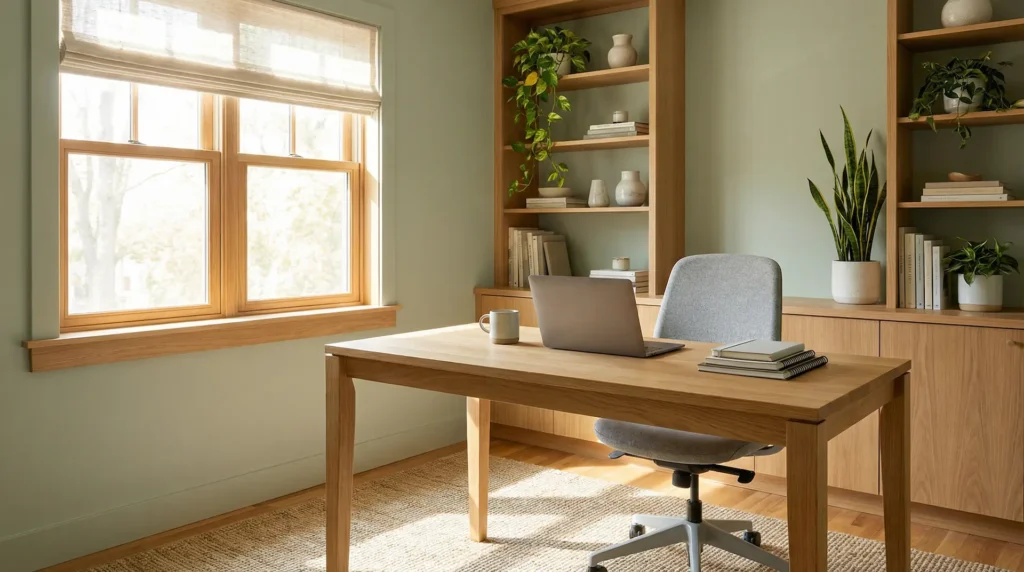
Blues enhance focus, communication, and calm productivity. Light to medium blues work beautifully as feng shui colors for each room in home offices, particularly for work involving writing, communication, or detailed analysis. Blue promotes mental clarity without being cold or sterile.
Warm neutrals including beige, tan, and warm gray create grounding office environments that support sustained focus. These earth element colors in feng shui colors for each room applications provide stable foundations that work with various accent colors while maintaining professional appearance.
Metal element accents through white, gray, or metallic accessories support organization, efficiency, and completion. When planning feng shui colors for each room, these colors work beautifully in offices through furniture, storage solutions, or decorative objects.
Minimize red in home offices unless your work involves sales, performance, or high-energy activities. Red can be too stimulating for sustained focus, though small accents can add vitality when needed.
Recommended Home Office Products:
Ergonomic Desk Chair in Neutral Tones – Comfort with appropriate feng shui colors
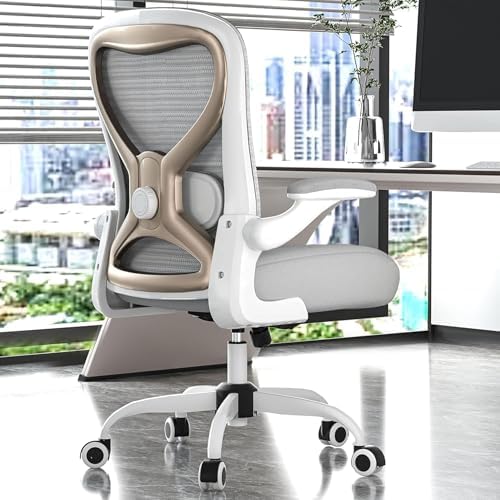
- 【𝐀𝐧 𝐞𝐫𝐠𝐨𝐧𝐨𝐦𝐢𝐜 𝐜𝐡𝐚𝐢𝐫 𝐭𝐡𝐚𝐭 𝐚𝐜𝐭𝐮𝐚𝐥𝐥𝐲 𝐡𝐚𝐬 𝐲𝐨𝐮𝐫 𝐛𝐚𝐜𝐤】The lumbar support actually moves up, down, in, and out—so no matter you…
- 【𝐀𝐥𝐥-𝐃𝐚𝐲 𝐂𝐨𝐦𝐟𝐨𝐫𝐭 𝐟𝐨𝐫 𝐇𝐢𝐩𝐬 𝐚𝐧𝐝 𝐓𝐡𝐢𝐠𝐡𝐬】The 𝟑.𝟓𝟒” (𝐭𝐡𝐢𝐜𝐤𝐞𝐫 𝟏” 𝐭𝐡𝐚𝐧 𝐮𝐬𝐮𝐚𝐥) cushion is noticeably plumper than the usual flim…
- 【𝐁𝐮𝐢𝐥𝐭 𝐬𝐨𝐥𝐢𝐝—𝐭𝐞𝐬𝐭𝐞𝐝 𝐚𝐧𝐝 𝐛𝐚𝐜𝐤𝐞𝐝 𝐮𝐩】𝐁𝐈𝐅𝐌𝐀&𝐒𝐆𝐒 𝐏𝐀𝐒𝐒𝐄𝐃. It passed the serious durability tests. Hold up to 𝟑3𝟎𝐋𝐁𝐒.
Desk Organizers in Metal or Wood – Support element balance

- 5-compartment office supplies caddy in rustic solid Acacia wood for home, school, or work desk organization **Handcrafte…
- Desktop organizer features an open slot for holding incoming or outgoing mail envelopes, bills, receipts, and paper stat…
- Multi-functional storage rack also has two pen compartments, a cutout sticky note pad holder, and a catchall tray for sm…
Office Plants in Ceramic Pots – Add living green energy

- Classic Meets Modern: This plant pots set seamlessly combines classical elegance with modern sophistication; whether in …
- Real Ceramic: Expertly crafted from top-notch materials, our indoor plant pots surpass faux-ceramic options, like fiber …
- Thoughtful Accessories: Our flower pots for indoor plants include silicone plug and drainage hole net, giving you full c…
Feng Shui Colors for Entryways and Hallways
Creating Welcoming Transitions
Entryways serve as transition zones between outside world and home sanctuary, making feng shui colors for each room particularly important for creating welcoming, protective environments.
Warm, welcoming colors including soft yellow, warm beige, or light terracotta create inviting entryways that encourage positive energy to enter. These feng shui colors for each room choices make guests feel welcome while supporting smooth transitions between outside and inside.
Red accents work beautifully in entryways as symbols of protection, welcome, and good fortune. When choosing feng shui colors for each room, red front doors or entryway accents through artwork, rugs, or accessories activate this important space without overwhelming it.
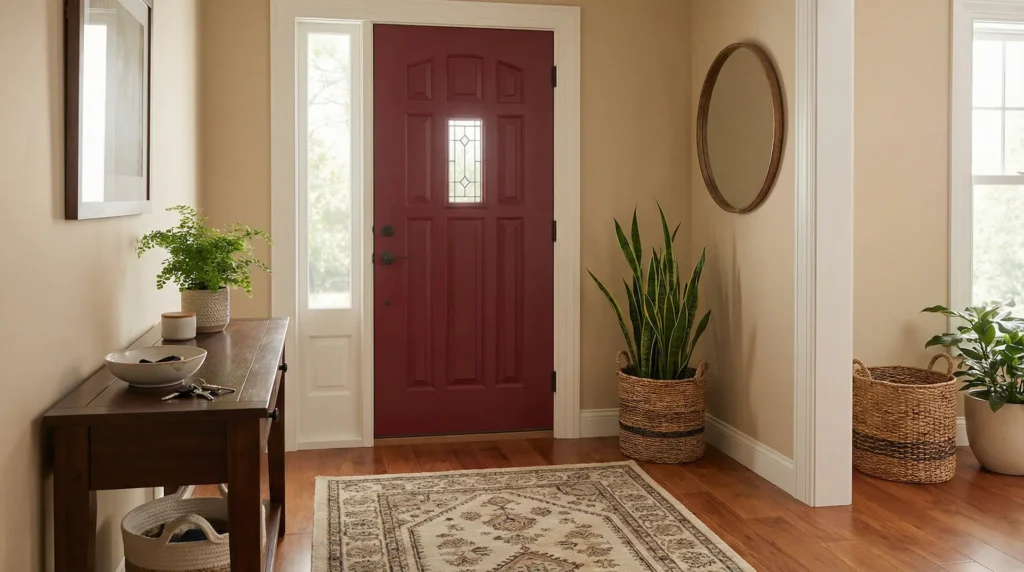
Earth tones provide grounding energy that helps transition from outside chaos to inside calm. Beige, tan, or warm gray create stable entryway environments when selecting feng shui colors for each room.
Hallway colors should support smooth energy flow through transitional spaces. Light, neutral colors work best, avoiding dark colors that can make narrow hallways feel cramped or oppressive when planning feng shui colors for each room.
Implementing Feng Shui Colors: Practical Tips
Starting Small with Accent Colors
You don’t need to repaint entire rooms to benefit from feng shui colors for each room—strategic use of accent colors through textiles, artwork, and accessories can significantly shift room energy.
Throw pillows and blankets provide the easiest method for experimenting with feng shui colors for each room. Change pillow covers seasonally or as needs shift, testing different color combinations without permanent commitment.
Artwork and wall decor introduce feng shui colors for each room through paintings, prints, or decorative objects that can be easily changed or relocated as you refine your color scheme.
Area rugs add substantial color impact while remaining changeable. When implementing feng shui colors for each room, rugs provide excellent opportunities to introduce element colors that ground and define spaces.
Fresh flowers and plants bring living color energy that naturally shifts with seasons. These natural feng shui colors for each room additions provide flexibility while connecting indoor spaces with natural cycles.
Working with Existing Colors
If you’re renting or working with existing paint colors, you can still apply feng shui colors for each room principles through strategic layering and balancing.
Identify dominant element in existing colors, then add balancing elements through accessories and textiles. If walls are cool blue (water), add earth element through beige textiles or wood element through plants and wooden furniture.
Use the five-element cycle to understand which elements support or control existing colors. When working with feng shui colors for each room in existing spaces, this knowledge helps you add complementary colors that create balance.
Layer neutrals over challenging existing colors through large furniture pieces, curtains, or area rugs that shift the overall color impression without painting.
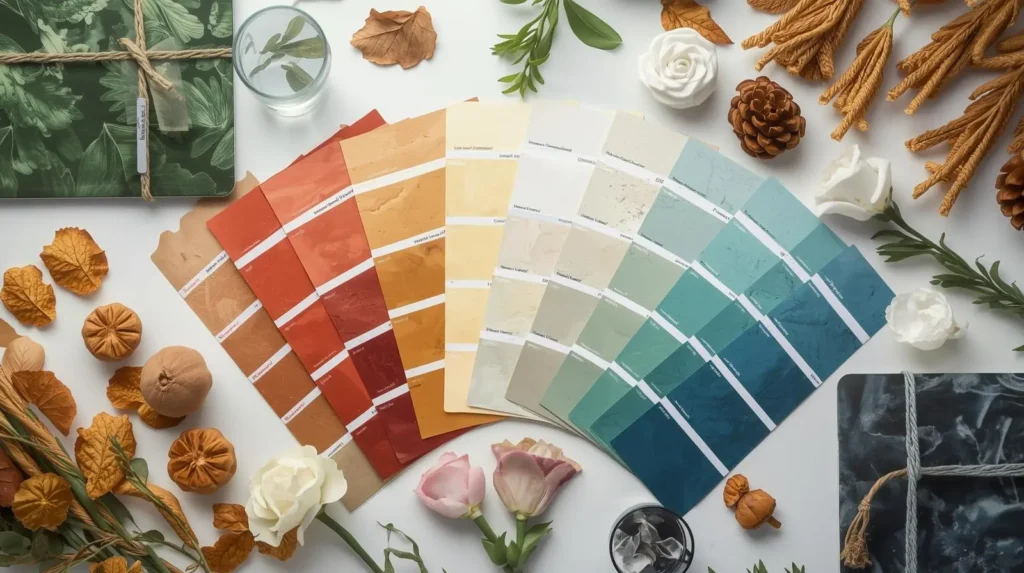
Seasonal Color Adjustments
Adjusting feng shui colors for each room seasonally keeps energy fresh and aligned with natural cycles.
Spring benefits from fresh greens and light blues that support growth and renewal. Add these feng shui colors for each room through spring flowers, lighter textiles, and nature-inspired artwork.
Summer welcomes fire element colors—reds, oranges, and bright yellows—that celebrate warmth and activity. Incorporate these feng shui colors for each room through summer flowers, bright textiles, and vibrant accessories.
Fall calls for earth element colors—warm browns, golds, and oranges—that support harvest and gratitude. These feng shui colors for each room choices create cozy autumn environments through seasonal decorations and textiles.
Winter embraces water and metal element colors—blues, blacks, whites, and grays—that support introspection and rest. Add these feng shui colors for each room through winter decorations and cooler-toned textiles.
Conclusion: Creating Harmony Through Color
Selecting appropriate feng shui colors for each room empowers you to create homes that actively support your wellbeing, goals, and daily activities through intentional color choices based on ancient wisdom and natural energy patterns. By understanding the five elements, directional associations, and room-specific functions, you can make informed color decisions that transform ordinary spaces into harmonious environments that feel instinctively right.
Remember that feng shui colors for each room provide guidelines rather than rigid rules—your personal response to colors matters significantly. If a theoretically perfect feng shui color makes you uncomfortable, trust your intuition and choose alternatives that feel better while still honoring element principles. The goal is creating spaces that support your life, not following rules that work against your preferences.
Start implementing feng shui colors for each room gradually, beginning with small changes through accessories and textiles before committing to larger projects like repainting. This approach allows you to test color combinations and observe their effects on your energy, mood, and activities before making permanent changes.
As you become more comfortable with feng shui colors for each room, you’ll develop intuitive understanding of how colors influence energy and wellbeing, enabling you to create harmonious homes that support every aspect of your life through thoughtful, intentional color selection.
Frequently Asked Questions
What are the best feng shui colors for each room in a small home?
In small homes, use light, neutral feng shui colors for each room as base colors—whites, creams, light grays, and soft beiges—to maximize light and create spaciousness. Add element-specific colors through accessories, textiles, and artwork rather than dominant wall colors.
Can I use black in feng shui colors for each room?
Black works best as accent color rather than dominant color in feng shui colors for each room. Small amounts add sophistication and water element energy, but excessive black can feel heavy and oppressive. Balance black with lighter colors and natural materials.
How do I choose feng shui colors for each room if I’m renting?
Renters can implement feng shui colors for each room through removable elements—throw pillows, blankets, area rugs, curtains, artwork, and accessories. These changeable items provide significant color impact without permanent modifications.
Should feng shui colors for each room match throughout the house?
Feng shui colors for each room should support each space’s specific function rather than matching throughout. However, using a cohesive color palette with variations creates visual flow. Choose 3-4 base colors that work in multiple rooms, then add room-specific accent colors.
How often should I change feng shui colors for each room?
Major feng shui colors for each room changes aren’t necessary frequently—good color choices remain effective for years. However, seasonal adjustments through accessories and textiles keep energy fresh and aligned with natural cycles. Reassess room colors when life circumstances or needs change significantly.
Related Articles
Explore these complementary guides to create harmonious home environments:
•Minimalist Living Room Ideas: Zen-Inspired Design – Specific living room guidance
•Digital Minimalism: Simplify Your Tech Life – Reduce digital clutter
•How to Ground Yourself Spiritually: 8 Techniques – Energy grounding practices
References
[1] Wong, A. (2012). Feng Shui: Harmony by Design. Perigee Books.
[2] Kingston, K. (2016). Creating Sacred Space with Feng Shui. Piatkus Books.
Affiliate Disclosure: This article contains affiliate links. As an Amazon Associate, we earn from qualifying purchases at no additional cost to you. We only recommend products that support authentic feng shui color implementation.