

For many people, the word “meditation” conjures images of sitting cross-legged on a cushion, eyes closed, perfectly still. While seated meditation offers profound benefits, it’s not the only—or even the best—entry point for everyone. If you’ve ever felt restless during sitting practice, struggled with physical discomfort, or simply prefer movement to stillness, walking meditation offers an equally powerful yet fundamentally different path to mindfulness.
Walking meditation transforms one of humanity’s most basic activities into a vehicle for awakening. Rather than viewing walking as merely transportation from point A to point B, this ancient practice invites you to experience each step as a complete moment of awareness. The Vietnamese Zen master Thich Nhat Hanh, who brought walking meditation to Western audiences, taught that “the miracle is not to walk on water, but to walk on the Earth.” This simple yet profound shift in perspective—from walking to get somewhere to walking as a complete practice in itself—opens a doorway to presence that many find more accessible than seated meditation.
The walking meditation benefits extend far beyond the practice session itself. Regular practitioners report improved balance and body awareness, reduced anxiety and rumination, enhanced creativity and problem-solving, and a deepened sense of connection with their environment. Perhaps most valuably, walking meditation builds a bridge between formal practice and daily life, teaching you to bring mindful awareness into ordinary activities. When you learn to walk with full presence, you discover that any moment, any activity, can become meditation.
Table of Contents

The Science Behind Walking Meditation
Understanding why walking meditation works enhances both your motivation and your practice quality. Unlike seated meditation, which requires your body to remain relatively still while your mind stays active, walking meditation engages your motor cortex, proprioceptive system, and visual processing simultaneously. This multi-system engagement actually makes it easier for many people to maintain focus, as the gentle physical activity provides a natural anchor for wandering attention.
Research published in the journal Mindfulness demonstrates that walking meditation produces measurable improvements in mood, anxiety levels, and cognitive function comparable to seated meditation, with some participants showing even greater benefits [1]. The rhythmic nature of walking creates what neuroscientists call “bilateral stimulation”—alternating left-right activation that appears to facilitate emotional processing and stress reduction. This same mechanism underlies therapies like EMDR (Eye Movement Desensitization and Reprocessing) used to treat trauma.
Walking meditation also offers unique cardiovascular benefits not available through seated practice. While maintaining a meditative pace (significantly slower than normal walking), you still elevate your heart rate modestly, improve circulation, and engage large muscle groups. For older adults or those with mobility limitations, walking meditation provides gentle exercise combined with mental training—a powerful combination for healthy aging.
The practice activates your default mode network—the brain regions associated with self-referential thinking and mind-wandering—differently than seated meditation. While both practices eventually quiet this network, walking meditation does so through embodied awareness rather than pure mental focus. For people who find seated meditation frustrating or who struggle with intrusive thoughts, this embodied approach often feels more natural and sustainable.
Essential Walking Meditation Techniques
Basic Mindful Walking
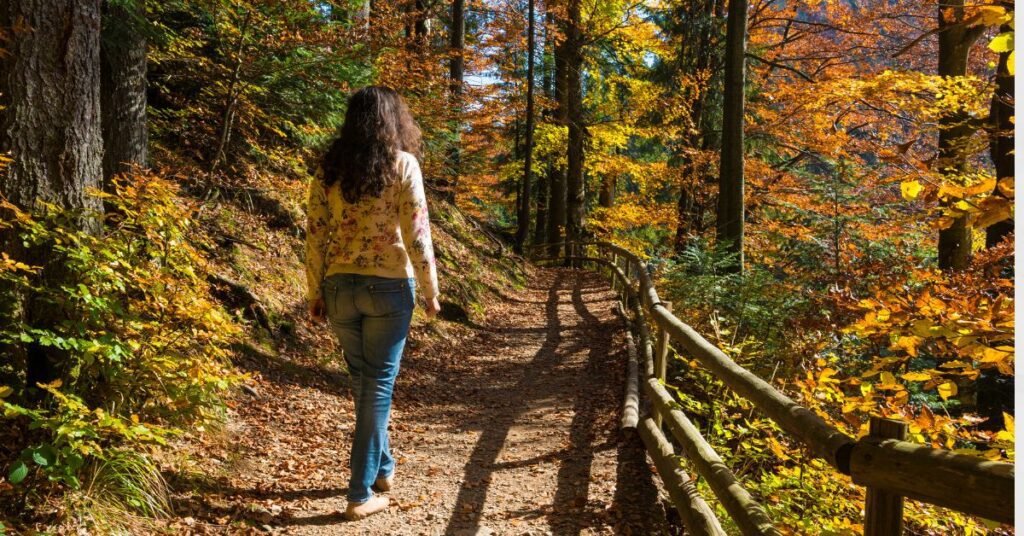
The foundational walking meditation practice requires nothing more than a path (even a short one) and your attention. Unlike normal walking where your mind typically wanders to past or future concerns, mindful walking anchors your awareness in the physical sensations and movements of each step.
How to Practice:
Find a path approximately 10-30 feet long where you can walk back and forth without obstacles. This could be a hallway in your home, a quiet section of park path, or even your backyard. Stand at one end with your feet hip-width apart, arms relaxed at your sides or hands gently clasped in front or behind you.
Begin by taking a few natural breaths, settling your awareness into your body. When ready, slowly lift your right foot, feeling the shift in weight to your left leg, the lightness as your right foot leaves the ground, the movement through air, and the gentle contact as it returns to earth. Then repeat with your left foot.
Walk at roughly one-third to one-half your normal pace—slow enough to notice details, but not so slow that you lose balance or feel awkward. Focus your attention on the physical sensations: the pressure on your feet, the flex of your ankles, the engagement of your leg muscles, the subtle movements in your core for balance.
When you reach the end of your path, pause for a breath, then mindfully turn and walk back. Continue for 10-20 minutes, or whatever duration feels sustainable. If your mind wanders (and it will), gently return attention to the sensations of walking without self-judgment.
Benefits: Basic mindful walking builds body awareness, grounds scattered energy, and teaches you to find presence in simple activities. It’s particularly valuable for people who find seated meditation challenging or who want to integrate mindfulness into daily movement.
Slow Walking Meditation (Kinhin)
Kinhin, the formal slow walking practice from Zen Buddhism, takes mindful walking to an extreme of deliberateness. Each step may take 30 seconds or more, requiring intense concentration and revealing subtle aspects of balance, intention, and movement that normal-paced walking obscures.
How to Practice:
Adopt a formal posture: stand upright with your left hand in a gentle fist at your sternum, right hand wrapped around it (or hands in prayer position if preferred). Your gaze should be soft and downward, focused about six feet ahead.
Begin by shifting your weight completely to your left foot. Very slowly, lift your right heel while keeping your toes on the ground. Pause and feel the balance shift. Gradually lift the entire foot, move it forward just a few inches, and place it down heel first, then rolling through to the toes. Shift your weight forward completely before beginning the next step.
Each step becomes a complete meditation in itself. Notice the micro-movements in your ankles, the subtle adjustments in your core, the play of balance and stability. Practice for 10-15 minutes, though even five minutes of kinhin can feel remarkably long when you’re truly present.
Benefits: Kinhin develops extraordinary concentration, patience, and body awareness. The extreme slowness reveals habitual rushing and impatience, offering opportunities to practice acceptance and presence. Many practitioners use kinhin between periods of seated meditation to maintain alertness while giving the body gentle movement.
When to Use: Practice kinhin when you want to deepen concentration, between seated meditation sessions, or when you need to slow down racing thoughts. It’s also excellent preparation for formal meditation practice or as part of a zen morning routine.
Walking with Breath Coordination
Coordinating your steps with your breath creates a powerful synergy between movement and breathing, two of meditation’s most fundamental anchors. This technique, common in many Buddhist traditions, adds rhythmic structure that many practitioners find deeply calming.
How to Practice:
Begin walking at a comfortable, natural pace. Notice your breath without trying to control it. After a few moments, observe how many steps you naturally take during each inhalation and exhalation. For most people at a moderate pace, this might be 2-3 steps per inhale, 2-3 steps per exhale.
Once you’ve identified your natural rhythm, gently maintain it, silently counting “in-two-three” as you inhale for three steps, “out-two-three” as you exhale for three steps (adjust numbers to match your rhythm). The counting serves as a focus object, occupying your verbal mind while your body maintains the coordinated movement.
As you become comfortable, you might experiment with different ratios. A 2:3 or 2:4 ratio (shorter inhale, longer exhale) activates your parasympathetic nervous system, creating deeper calm. A 3:3 or 4:4 ratio (equal breathing) creates balanced, centered awareness.
Walk for 15-20 minutes, maintaining the breath-step coordination throughout. If you lose the rhythm, simply re-establish it without frustration. Consider using comfortable walking shoes designed for mindful movement to enhance your practice.



Benefits: Breath-coordinated walking combines the calming effects of breathing meditation techniques with the grounding quality of movement. The dual focus—breath and steps—occupies your attention more fully, making it easier to maintain presence. This technique also builds cardiovascular efficiency and can be adapted to outdoor walks in nature.
When to Use: This practice works beautifully for longer outdoor walks, during nature meditation, or when you want to combine exercise with mindfulness. It’s also excellent for stress relief and can be practiced while walking to work or during lunch breaks.
Sensory Awareness Walking
Rather than focusing primarily on the physical sensations of walking itself, sensory awareness walking opens your attention to the full spectrum of sensory experience as you move through space. This practice, influenced by Vipassana and mindfulness traditions, cultivates panoramic awareness.
How to Practice:
Begin walking at a natural pace, either on a familiar path or, ideally, somewhere with varied sensory input like a park or garden. Rather than narrowing attention to feet or breath, expand awareness to include:
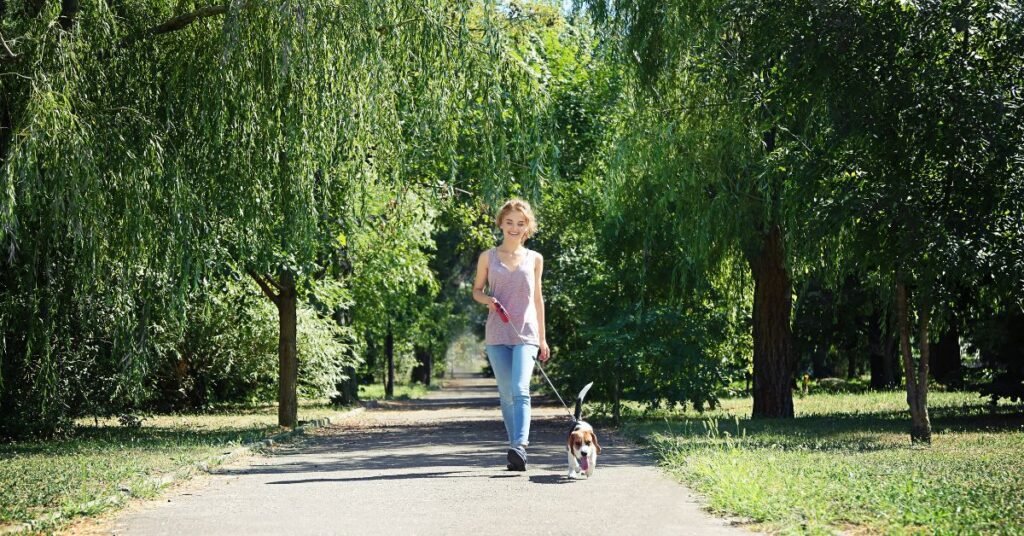
Visual: Notice colors, shapes, patterns of light and shadow, movement in your peripheral vision. Don’t focus on any single object; instead, maintain soft, receptive visual awareness.
Auditory: Hear sounds near and far—birds, wind, traffic, voices. Notice how sounds arise and fade without labeling or judging them.
Tactile: Feel air temperature and movement on your skin, the texture of ground beneath your feet, the touch of clothing on your body.
Olfactory: Notice scents—flowers, earth, food, exhaust. Allow smells to register without analysis.
Proprioceptive: Maintain awareness of your body’s position and movement in space, the play of balance and coordination.
Walk for 20-30 minutes, allowing your attention to flow naturally among these sensory channels. When you notice yourself thinking about sensations rather than experiencing them directly, gently return to direct sensory contact.
Benefits: Sensory awareness walking breaks the trance of constant thinking, reconnecting you with immediate experience. It’s particularly valuable for people who live primarily “in their heads” and need practice inhabiting their bodies and senses. This practice also enhances appreciation for your environment and can transform ordinary walks into rich, engaging experiences.
When to Use: Practice sensory awareness walking in nature, parks, or any environment with varied sensory input. It’s excellent for mindfulness cultivation, breaking rumination patterns, and developing present-moment awareness. Combine with nature connection practices for enhanced benefits.
Labeling Walking Meditation
Labeling or noting practice, drawn from Mahasi Sayadaw’s Vipassana tradition, involves silently naming aspects of your experience as you walk. This technique strengthens mindfulness by creating a slight gap between raw experience and reactive thought, allowing you to observe your experience more objectively.
How to Practice:
Walk at a moderate pace, bringing attention to your feet. As you step, silently note “lifting, moving, placing” for each foot’s movement. When your right foot lifts, note “lifting.” As it moves forward, note “moving.” As it contacts the ground, note “placing.” Repeat continuously for each step.
The labels should be soft mental whispers, not forceful commands. They’re meant to support awareness, not replace direct experience. If your attention wanders to sounds, you might note “hearing.” If you notice thinking, note “thinking.” If emotions arise, note “feeling.”
The practice reveals how much of your experience you typically miss while lost in thought. Each label is a moment of recognition, a gentle reminder to stay present. Walk for 15-20 minutes, maintaining consistent noting throughout.
Benefits: Labeling creates metacognitive awareness—awareness of awareness itself. This skill proves invaluable for recognizing and disengaging from unhelpful thought patterns, anxiety spirals, and reactive emotions. The practice also develops concentration through the repetitive noting structure.
When to Use: Practice labeling walking when you want to strengthen mindfulness skills, during periods of high mental activity or anxiety, or as preparation for Vipassana-style insight meditation. It’s particularly helpful for anxiety management and developing emotional awareness.
Creating Your Walking Meditation Practice
Indoor Walking Meditation
You don’t need a forest path or beach to practice walking meditation. Indoor practice offers consistency regardless of weather and can be integrated into daily routines with minimal disruption.
Setting Up Your Space:
Identify a straight path 10-30 feet long in your home—a hallway, large room, or even a cleared living space. Remove obstacles and distractions. Some practitioners find that creating a dedicated space with a meditation cushion at one end and perhaps a small altar or meaningful object helps establish the space as sacred.


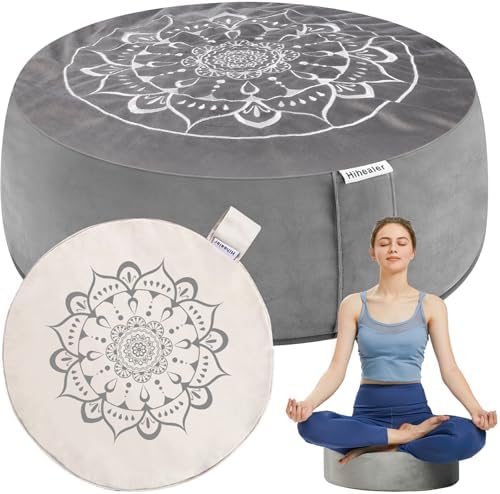
Consider the sensory environment. Soft lighting creates a calm atmosphere. You might burn meditation incense or use essential oils to engage your olfactory sense. Some practitioners use gentle background sounds like meditation music or nature sounds, though silence works equally well.

- Containing 30 sticks of Palo santo incense, each stick burns for approximately 60 minutes
- We respect nature, sourced from 100% wild Peruvian Palo santo, sustainably harvested
- Premium handcrafted, each stick of Palo santo incense is skillfully made by talented Peruvian artisans
Practice Structure:
Begin with a few minutes of standing meditation to settle your mind and body. Walk your chosen path for 10-20 minutes, using any of the techniques described above. End with a few minutes of standing or seated meditation to integrate the experience.
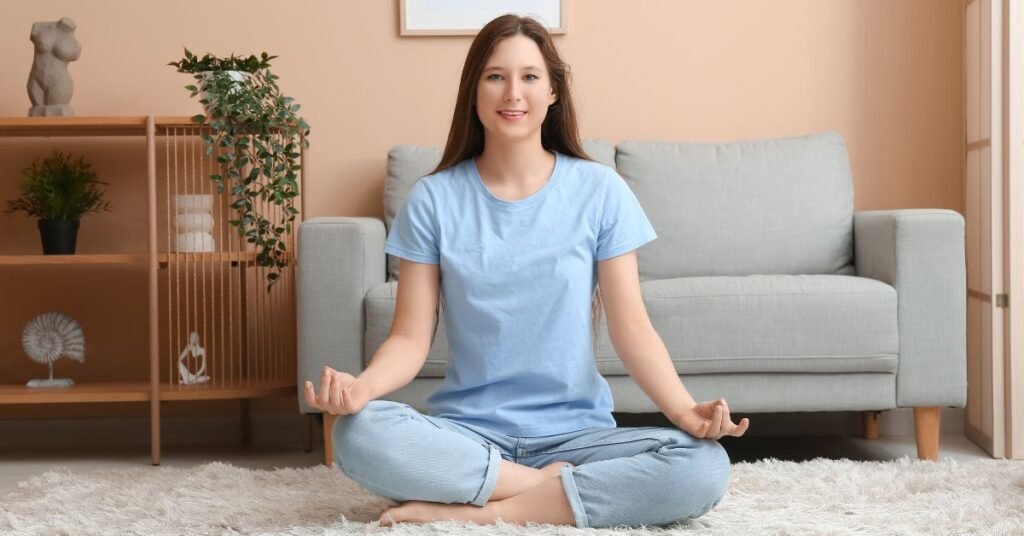
Indoor practice offers the advantage of consistency and privacy. You can practice in pajamas, at any hour, without concern for weather or others’ presence. The familiar environment also makes it easier to notice subtle changes in your mental state over time.
Outdoor Walking Meditation
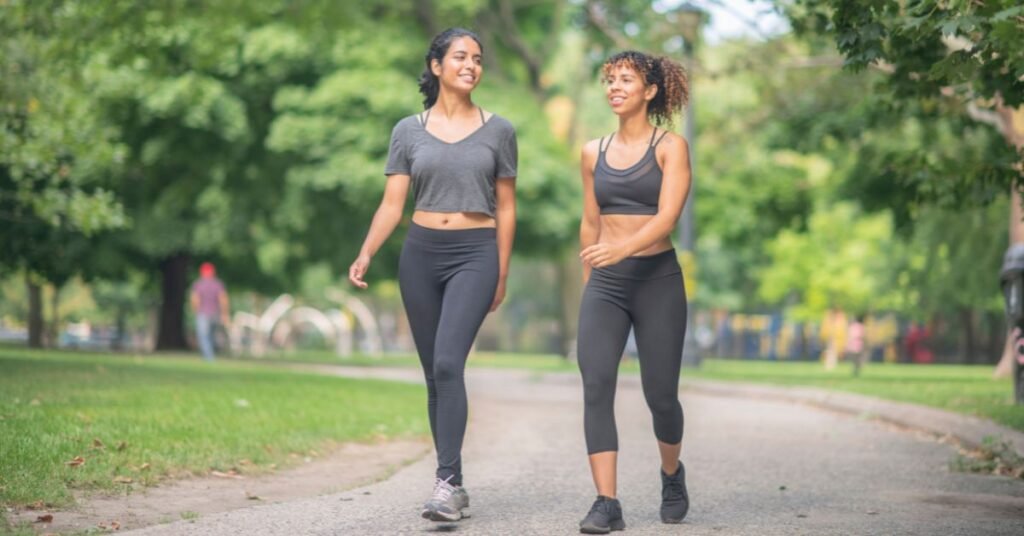
Practicing walking meditation outdoors adds the dimension of nature connection, varied sensory input, and the psychological benefits of spending time in natural environments. Research shows that combining mindfulness practice with nature exposure creates synergistic benefits for mental health and well-being [2].
Choosing Your Location:
Seek paths with minimal distractions—quiet parks, nature trails, beaches, or even less-traveled neighborhood streets. The ideal location offers some natural beauty, relative quiet, and enough space to walk without constant navigation decisions.
Safety considerations matter. Choose well-lit areas if practicing at dawn or dusk. Let someone know your location if walking in remote areas. Stay aware enough of your surroundings to notice potential hazards, even while maintaining meditative focus.
Adapting Your Practice:
Outdoor walking meditation typically uses a more natural pace than indoor practice, as you’re covering greater distances. Focus on sensory awareness, breath coordination, or simple mindful walking rather than extremely slow kinhin-style practice.
Allow your environment to support your practice. Notice how sunlight filters through leaves, how wind feels on your skin, how your feet contact different surfaces. These sensory experiences become part of your meditation rather than distractions from it.
Consider bringing a walking meditation guide or using a meditation app with walking meditation timers to help structure your practice initially.
Seasonal Variations:
Each season offers unique opportunities. Spring brings renewal and growth, summer offers warmth and abundance, autumn provides beauty and change, winter teaches stillness and endurance. Rather than limiting practice to pleasant weather, embrace seasonal variations as teachers of impermanence and adaptability.
Integrating Walking Meditation into Daily Life
The ultimate goal of walking meditation isn’t to create another isolated practice session but to transform how you move through the world. Every walk—to your car, through the grocery store, from meeting to meeting—offers an opportunity to practice presence.
Micro-Practices:
Start small. Take three conscious breaths before standing up from your desk. Walk mindfully to the bathroom. Practice one minute of sensory awareness while walking to your car. These brief moments accumulate, gradually rewiring your default mode from autopilot to awareness.
Commute Transformation:
If you walk as part of your commute, designate the first or last five minutes as formal practice. This bookends your workday with mindfulness, creating transition space between home and work identities. Even crowded city walking can become practice when you focus on sensations rather than destinations.
Walking Meetings:

Suggest walking meetings instead of sitting in conference rooms. The movement enhances creativity and problem-solving while the outdoor environment reduces stress. You can maintain professional conversation while practicing subtle mindfulness—awareness of breath, body, and environment.
Family Practice:
Introduce children to walking meditation through games: “slow-motion walking,” “silent walking,” or “noticing walks” where everyone shares one thing they observed. These playful approaches teach mindfulness skills while creating shared family rituals. Consider combining with zen living practices for a holistic approach to family mindfulness.
Common Challenges and Solutions
Challenge: Feeling Self-Conscious
Walking very slowly or with obvious mindfulness in public spaces can trigger self-consciousness. Solution: Practice in private spaces initially until confidence develops. Outdoors, choose less-populated areas or times. Remember that most people are too absorbed in their own concerns to notice your practice. Alternatively, practice at a more natural pace that doesn’t draw attention while maintaining internal mindfulness.
Challenge: Physical Discomfort or Limitations
Balance issues, joint pain, or mobility limitations can make walking meditation challenging. Solution: Adapt the practice to your abilities. Use a walking stick or poles for stability. Practice on flat, even surfaces. Shorten the duration or distance. Consider chair-based movement meditation as an alternative. The principle of mindful movement applies regardless of pace or distance.


Challenge: Mind Wandering Excessively
Despite the physical anchor of walking, minds still wander. Solution: This is completely normal and not a sign of failure. Each time you notice wandering and return to present-moment awareness, you’re succeeding at meditation. If wandering feels excessive, try more structured techniques like breath coordination or labeling. Shorten practice duration temporarily, or alternate between walking and seated meditation.
Challenge: Impatience or Boredom
The slow pace and repetitive nature of walking meditation can trigger impatience. Solution: Recognize impatience itself as an object of meditation—notice how it feels in your body, what thoughts accompany it, how it changes. This transforms the “problem” into practice. Alternatively, vary your techniques, practice in new locations, or alternate between slow and natural-paced walking.
Challenge: Difficulty Maintaining Regular Practice
Like any meditation practice, consistency proves challenging. Solution: Start with absurdly small commitments—even two minutes daily. Link practice to existing habits (after morning coffee, before bed). Use a meditation app with reminders and streak tracking. Find a walking meditation partner for mutual support and accountability.
The Deeper Journey: From Walking to Awakening
As your walking meditation practice matures, something subtle yet profound begins to shift. The distinction between “meditation time” and “regular time” softens. You find yourself naturally present during ordinary walks, noticing details you previously overlooked, feeling sensations you habitually ignored. This isn’t a special achievement but a natural outcome of consistent practice—presence becomes your default mode rather than an effortful state you must create.
Walking meditation reveals a fundamental truth that seated practice sometimes obscures: meditation isn’t about achieving a particular state but about being fully present with whatever is. When you walk with awareness, you discover that each step contains completeness—nothing is missing, nothing needs to be different. This recognition, repeated thousands of times across countless steps, gradually dissolves the habitual sense that fulfillment lies somewhere else, in some future moment when conditions are finally perfect.
The practice also teaches what Buddhists call “right effort”—the balance between striving and surrendering. Walking requires effort (you must lift your feet, maintain balance, coordinate movement) yet also demands letting go (you can’t force grace or natural rhythm). This same balance applies to all meditation and, ultimately, to life itself. Walking meditation becomes a laboratory for discovering how to engage fully while remaining relaxed, how to have goals while not being attached to outcomes, how to care deeply while holding everything lightly.
Perhaps most valuable, walking meditation builds an unshakeable refuge you carry everywhere. Unlike seated practice that requires specific conditions, walking meditation is always available. Anxious? Walk mindfully. Overwhelmed? Walk mindfully. Joyful? Walk mindfully. Each step becomes an opportunity to return home to yourself, to touch the ground of being that exists beneath all circumstances. This isn’t escape from life but full engagement with it—meeting each moment, each step, each breath with wholehearted presence.
Conclusion: The Path Beneath Your Feet
Walking meditation offers something rare in our complex, technology-saturated world: a practice that requires nothing but what you already possess. No equipment, no special location, no particular beliefs or background. Just your body, your breath, your attention, and the willingness to walk as if each step matters—because it does.
The walking meditation benefits extend far beyond stress reduction or improved focus, though it certainly provides both. Regular practice fundamentally transforms your relationship with time, with your body, with the present moment. You discover that you don’t need to get somewhere else to be happy, that fulfillment isn’t waiting at some future destination but is available in each present step.
Start simply. Choose one technique from this guide that resonates with you. Practice for just 10 minutes tomorrow. Notice what you notice. Don’t expect dramatic experiences or immediate transformation. Trust that something is shifting beneath the surface, that each mindful step is rewiring your brain and nervous system in ways that will reveal themselves gradually.
The path of walking meditation isn’t about reaching some final destination or achieving perfect mindfulness. It’s about discovering that the path itself—this step, this breath, this moment—is the destination. Everything you’ve been seeking is already here, beneath your feet, waiting to be recognized.
Your next step awaits. Make it a conscious one.
Related Articles:
•What is Mindfulness? A Complete Guide
•Breathing Meditation Techniques: 7 Methods for Calm
•Meditation for Beginners: Your Complete Guide
•How to Start a Daily Meditation Practice: 7-Day Guide
•Mindfulness Exercises for Anxiety: 10 Techniques
•Zen Morning Routine: Start Your Day with Mindful Simplicity
References
[1] Teut, M., Roesner, E. J., Ortiz, M., Reese, F., Binting, S., Roll, S., Fischer, H. F., Michalsen, A., Willich, S. N., & Brinkhaus, B. (2013). Mindful walking in psychologically distressed individuals: A randomized controlled trial. Evidence-Based Complementary and Alternative Medicine, 2013, 489856. https://www.ncbi.nlm.nih.gov/pmc/articles/PMC3818342/
[2] Hansen, M. M., Jones, R., & Tocchini, K. (2017). Shinrin-yoku (forest bathing) and nature therapy: A state-of-the-art review. International Journal of Environmental Research and Public Health, 14(8), 851. https://www.ncbi.nlm.nih.gov/pmc/articles/PMC5580555/
Affiliate Disclosure: This article contains affiliate links. As an Amazon Associate, we earn from qualifying purchases at no additional cost to you. We only recommend products we believe will genuinely benefit your meditation practice.