

Learning how to cleanse crystals comes down to two separate jobs that most guides blur together. The first is physical cleaning: removing dust, skin oils, and grime without damaging the stone. The second is energetic cleansing: a ritual that, in crystal tradition, clears a stone of accumulated energy so you can begin again with a fresh intention. Charging is the step that follows, when you set a purpose for the stone.
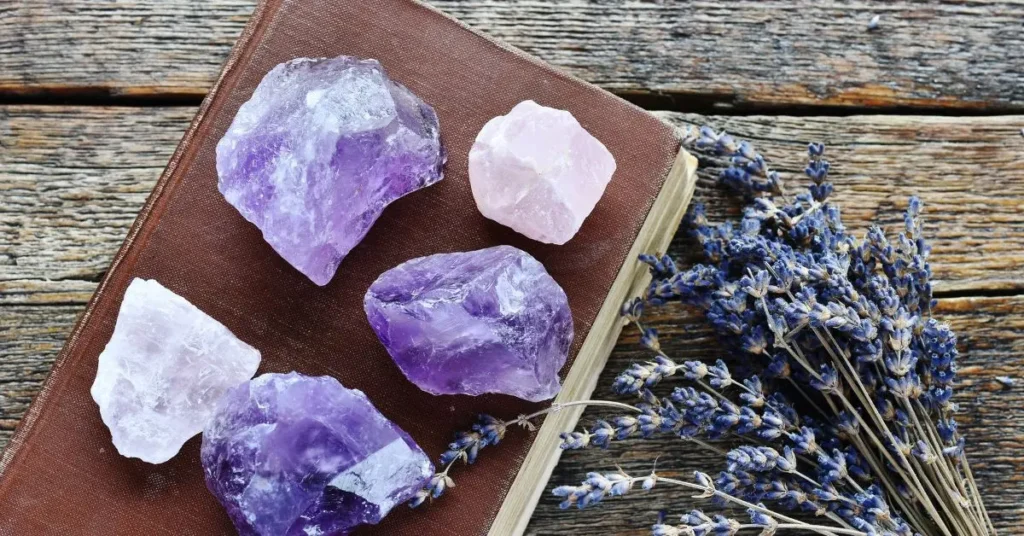
The ritual side is flexible and personal. The physical side is not, because some of the most popular methods (a soak in salt water, an afternoon in the sun) can permanently damage certain stones. This guide covers both: the cleansing and charging methods that work, which crystals each one is safe for, and a stone-by-stone chart you can come back to whenever you bring a new piece home.
What Does It Mean to Cleanse a Crystal?
In crystal practice, cleansing means clearing a stone of energy it has absorbed: from the people who mined, shipped, and sold it, from the spaces it has been in, and from the work you’ve done with it. Charging means filling it back up with a specific intention.
It’s worth being honest about how this works. There’s no scientific evidence that crystals store or release energy in the way crystal tradition describes. When psychologist Christopher French had people meditate holding either real quartz or glass replicas, both groups reported the same sensations, as Time reported. What shaped the experience was expectation.
That doesn’t make cleansing pointless. A cleansing ritual is a moment of attention: you pick up each stone, notice it, and decide what you want it to remind you of. That reset is the real value, and it’s why so many people find the practice grounding. It also means you can choose methods freely, with one condition: they shouldn’t damage the stone. (If you want to refresh a whole room rather than individual stones, our guide to energy cleansing for your space covers that separately.)
How Do You Physically Clean Crystals?
Before any ritual, start with the simplest and safest method. The Gemological Institute of America recommends that most colored gems be cleaned with warm water, mild dish soap, and a soft brush, rinsing in a bowl rather than over an open drain.
For tumbled stones and hard crystals like quartz, that’s all you need. Wipe them dry with a soft cloth afterward. For soft or water-sensitive stones (see the chart below), skip the water entirely and use a dry, soft brush or a makeup brush to lift dust from crevices.
GIA also cautions against ultrasonic cleaners and steam for many gems, especially porous or heat-sensitive ones like opal, turquoise, moonstone, and kunzite. A bowl of soapy water and a soft brush will never be the wrong choice for a hard stone.
How to Cleanse Crystals: 9 Traditional Methods
These are the traditional methods, listed from the gentlest (safe for nearly every stone) to the ones that require the most care.
Sound
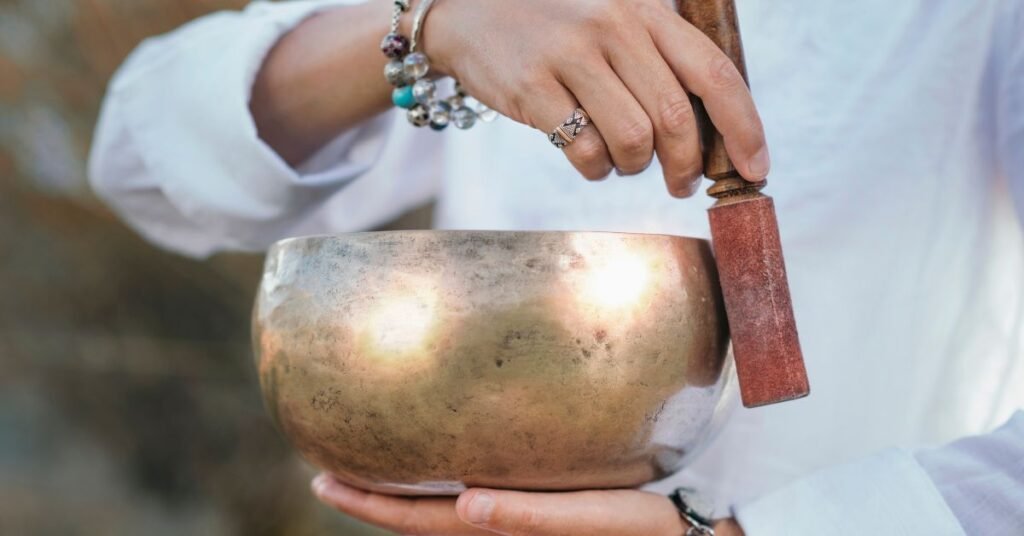
Ringing a singing bowl, chime, or bell near your crystals for a minute or two is one of the most popular methods, and it’s safe for every stone because nothing touches them. It’s also the easiest way to cleanse a whole collection at once.
Smoke
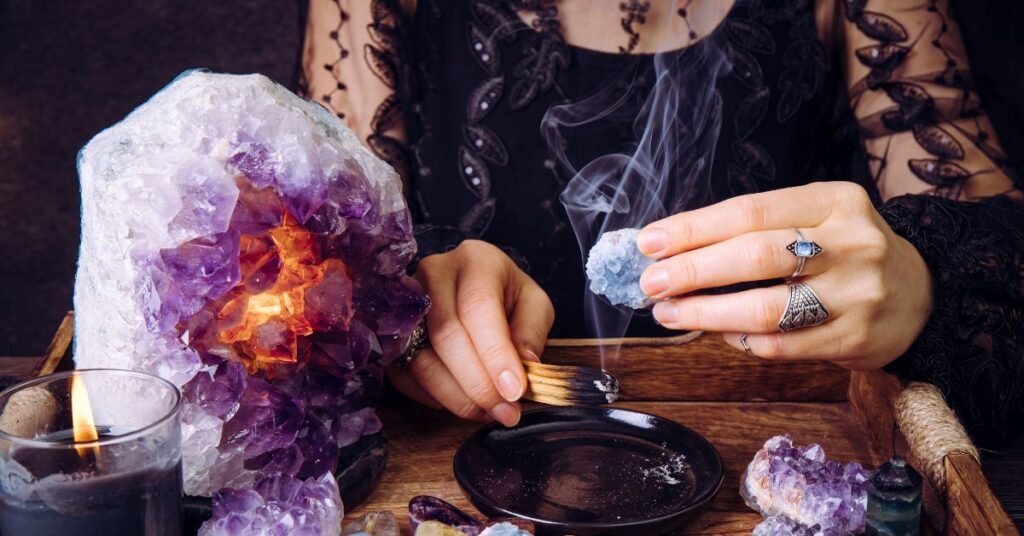
Passing a crystal through the smoke of sage, palo santo, or incense is a long-standing practice. Hold the stone a few inches above the smoke, turn it slowly, and set your intention as you do. Open a window and keep the smoke away from porous stones you’d rather not discolor. Our guide to sage smudging for beginners covers safe technique in more detail.
Moonlight
Leaving crystals on a windowsill or a protected outdoor surface overnight is a favorite gentle method. Any phase works; many people simply choose a clear night. Moonlight carries no fading risk, which makes this one of the safest choices for color-sensitive stones like amethyst. Bring stones in before the morning sun reaches them, and keep water-sensitive stones indoors if dew or rain is possible.

Resting on Selenite or a Quartz Cluster
In crystal tradition, selenite and quartz clusters are self-cleansing and can refresh other stones placed on them. Set tumbled stones on a selenite plate or near a cluster overnight. It’s gentle and requires no water or smoke, which makes it ideal for delicate pieces.

Breath and Intention
Hold the crystal, take a slow breath, and exhale gently over it while picturing it clearing. This takes seconds, works anywhere, and is safe for every stone.
Running Water
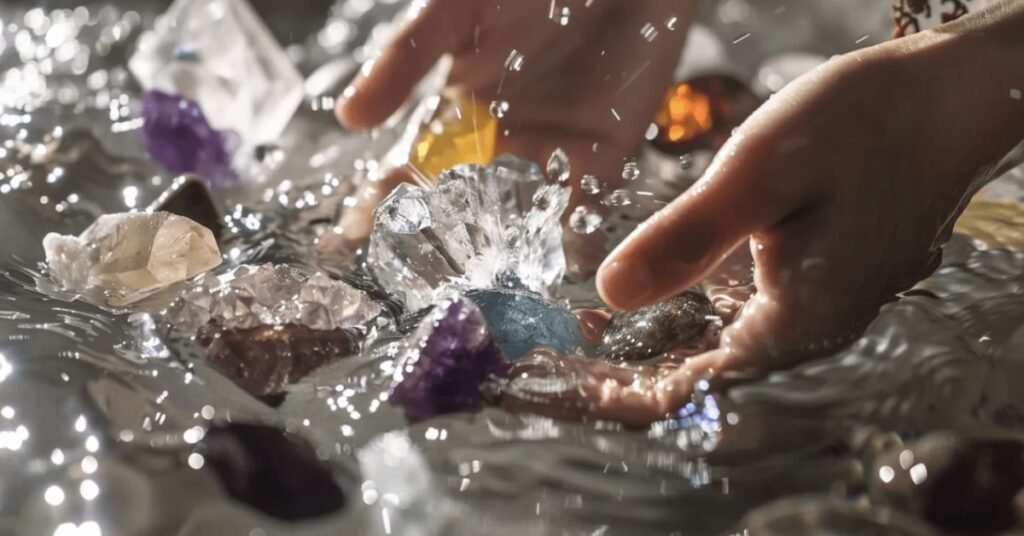
A short rinse under lukewarm running water is a traditional cleanse for hard, non-porous stones like clear quartz, amethyst, and rose quartz. Keep it brief, dry the stone right away, and never use this method on the water-sensitive stones listed below.
Salt
Salt is a classic cleansing material, but it’s also the method that damages the most stones. Salt water can work into cracks and leave crystals behind as it dries, and it can etch or dull soft and porous stones. A safer version is to place a crystal in a small glass bowl and surround that bowl with dry salt, so the salt never touches the stone. If you do use salt water, limit it to hard quartz and rinse thoroughly afterward.
Sunlight
A few minutes of morning sun is a traditional way to “energize” stones like clear quartz and black tourmaline. But light can permanently fade some crystals. GIA notes that amethyst, kunzite, and topaz can fade with prolonged light exposure (GIA), and fluorite and smoky quartz are commonly reported to lose color as well. If you aren’t sure, choose moonlight instead.
Burying in Earth or Rice
Some practitioners bury stones in soil or dry rice overnight. Rice is the cleaner option. Soil can trap moisture and grit in cracks, so reserve it for hard, sturdy stones and rinse them afterward.
Which Crystals Can’t Go in Water, Salt, or Sunlight?
This chart covers the stones most people own. When in doubt, sound, smoke, moonlight, and selenite are safe for every stone listed. Hardness is given on the Mohs scale, where higher numbers mean harder, more durable stones.
| Crystal | Hardness | Water | Salt | Sunlight |
|---|---|---|---|---|
| Clear quartz | 7 | Safe | Brief, then rinse | Safe |
| Amethyst | 7 | Safe | Brief, then rinse | Avoid (fades) |
| Rose quartz | 7 | Safe | Brief, then rinse | Limit as a precaution |
| Citrine | 7 | Safe | Brief, then rinse | Limit long exposure |
| Smoky quartz | 7 | Safe | Brief, then rinse | Limit (can fade) |
| Black tourmaline | 7–7.5 | Brief rinse; don’t soak raw pieces | Avoid on raw pieces | Safe |
| Kunzite | 6.5–7 | Safe | Avoid | Avoid (fades) |
| Labradorite | 6–6.5 | Brief rinse | Avoid | Safe |
| Pyrite | 6–6.5 | Avoid (tarnishes and decays) | Avoid | Safe |
| Hematite | 5.5–6.5 | Brief rinse, dry well | Avoid | Safe |
| Opal | 5.5–6.5 | Brief wipe only | Avoid | Avoid heat and strong light |
| Turquoise | 5–6 | Avoid (porous) | Avoid | Limit |
| Fluorite | 4 | Brief rinse | Avoid | Avoid (can fade) |
| Malachite | 3.5–4 | Avoid | Avoid | Limit |
| Calcite | 3 | Brief rinse; never vinegar | Avoid | Safe |
| Lepidolite | 2.5–3 | Avoid (flakes) | Avoid | Limit |
| Selenite | 2 | Avoid (dissolves over time) | Avoid | Safe |
A few of these deserve a note. Selenite is a form of gypsum, soft enough to scratch with a fingernail, and water slowly dissolves its surface; it’s the stone most often ruined by rinsing. Pyrite reacts with moisture and air over time, tarnishing and in some cases crumbling, so keep it dry. Malachite contains copper, so never sand, grind, or soak it, and don’t put it in drinking water. Calcite dissolves in acids, so keep it away from vinegar-based cleaners. For more on the most popular stones, see our guides to amethyst, rose quartz, and black tourmaline.
Is It Safe to Put Crystals in Drinking Water?
Crystal-infused water, sometimes called gem elixirs, has become popular, but it carries real risks. Some stones contain minerals you shouldn’t ingest; malachite, for example, contains copper, and several other collectible minerals contain lead, arsenic, or mercury. Soft and porous stones can also shed particles or harbor bacteria in their cracks.
If you want to try it, use the indirect method only: place a clean, hard stone such as clear quartz in a small sealed glass container, and set that container inside your water pitcher, so the crystal never touches what you drink. When in doubt, skip it. A crystal on the table beside your water glass carries the same intention without any risk.
How Do You Charge a Crystal With Intention?
Charging, sometimes called programming, is the step where you give a cleansed stone its purpose. It’s simple:
- Choose one intention. Keep it short and specific: “calm before sleep,” “patience with my kids,” “a boundary at work.”
- Hold the stone. Sit quietly, hold it in your hands or over your heart, and take three slow breaths.
- Say or think your intention. Repeat it a few times, in your own words.
- Place it where it will remind you. A charged stone works best somewhere you’ll see or touch it: a nightstand, a desk, a pocket, or your meditation space. Our guide to the best crystals for meditation suggests which stones suit which intentions.
Many people also charge stones by setting them on a selenite plate, near a quartz cluster, or inside a simple crystal grid. Our crystal grid layouts guide shows beginner-friendly designs.
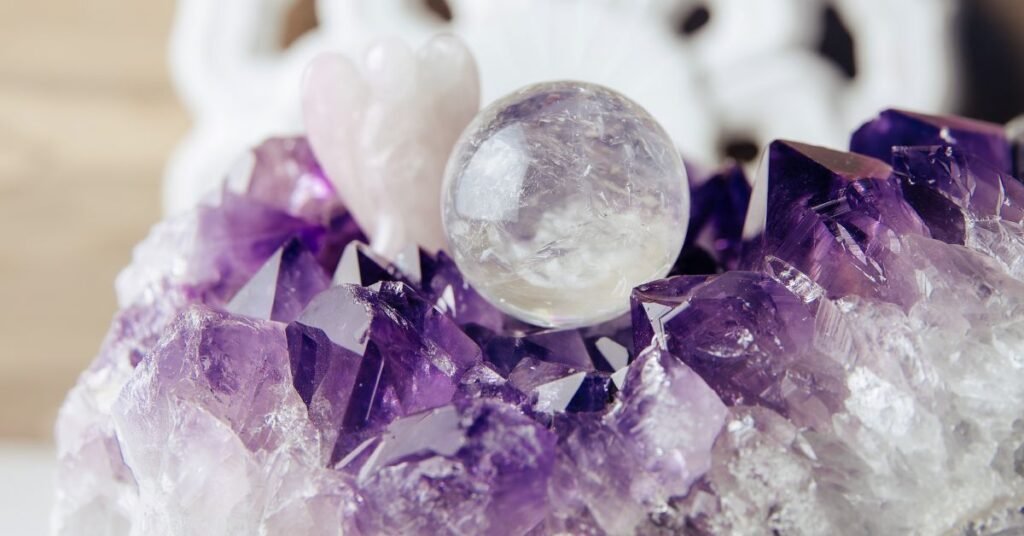
The intention is the part that matters. Research on rituals shows that deliberate, repeated actions can genuinely help people cope with distress and feel more in control (Norton & Gino, PubMed). A stone you’ve consciously “charged” becomes a cue to return to that intention throughout your day.
How Often Should You Cleanse Your Crystals?
There’s no fixed rule, but a few rhythms work well for most people:
When you first bring a stone home. This is the most traditional moment to cleanse, and a good time to give it a physical clean too.
About once a month. A monthly cleanse keeps the practice regular without becoming a chore. Pick a day that’s easy to remember.
After intense use. Many people cleanse a stone after a difficult week, a period of grief, or a stressful event, especially protective stones like black tourmaline.
Whenever it feels right. If a stone starts to feel “heavy” or you’ve stopped noticing it, a quick sound or breath cleanse is an easy way to bring it back into your attention.
How Should You Store Crystals?
Store tumbled stones in soft pouches or a divided box so harder stones don’t scratch softer ones; quartz, at hardness 7, will scratch fluorite, calcite, or selenite on contact. Keep color-sensitive stones like amethyst and kunzite out of direct sunlight, keep water-sensitive stones away from bathrooms and humid windowsills, and give fragile clusters a shelf where they won’t be knocked.
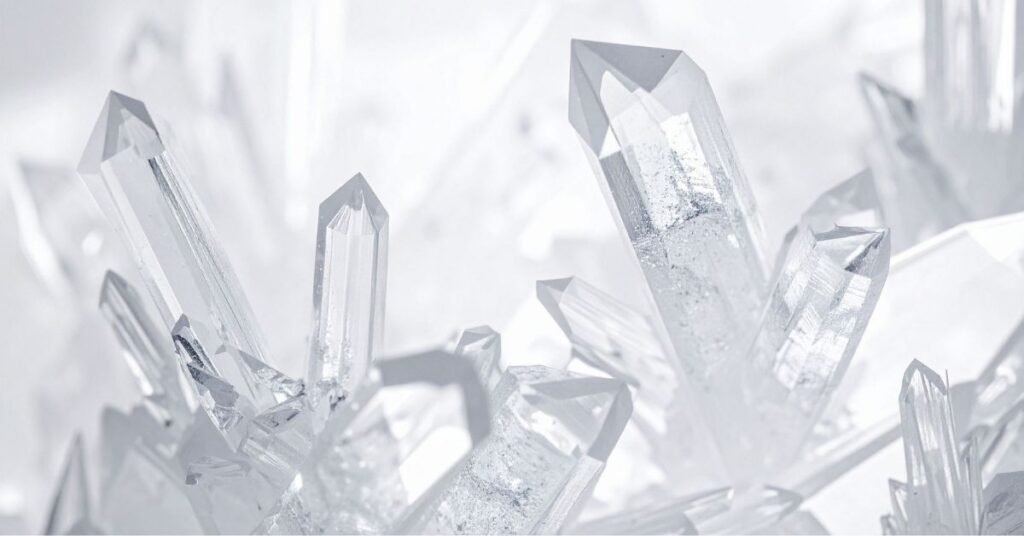
If you’re building a collection, our guide to 7 essential crystals for beginners suggests a sturdy, easy-care starter set, and our guide to crystal shapes explains which forms are most durable for everyday handling.
What Are the Most Common Crystal Care Mistakes?
Rinsing selenite. It’s the most common way people damage a crystal. Keep it dry.
Charging amethyst in the sun. A sunny windowsill can slowly fade its color. Use moonlight instead.
Soaking everything in salt water. Reserve salt for hard quartz, or use the indirect bowl method.
Using household cleaners. Ammonia, vinegar, and bleach can etch, dull, or discolor stones. Warm water and mild soap are enough.
Storing everything together. Hard stones scratch soft ones. A few pouches solve this.
Recommended Products
You don’t need special tools to cleanse crystals, but three simple pieces make the safest methods easier to keep up with. A selenite charging plate gives you a dry, water-free way to refresh tumbled stones overnight, which makes it ideal for delicate pieces like lepidolite or pyrite. A singing bowl cleanses an entire collection in a minute without touching a single stone. And a set of soft velvet pouches keeps hard stones from scratching softer ones in storage.
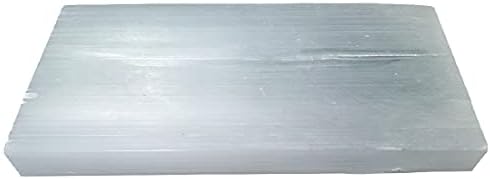
- Selenite Charing Plate 8 inches by 4 inches aproximately – size can vary between 7.5″ -8″ by 3.5-4″.
- Direct from the mines of Morocco – # 1 Grade of Selenite
- Your box will contain – 1 – 8×4″ Charging Plate – Stones and Sage sticks are for display only. (size can vary between 7….

- BEGINNER FRIENDLY & EASY TO PLAY: Designed for first-time users, this singing bowl produces a clear, resonant tone. The …
- STRESS RELIEF & EMOTIONAL CALM: The soothing vibrations & resonant tone help create a grounding atmosphere for meditatio…
- COMPLETE SINGING BOWL SET: Includes a singing bowl, cushion, & easy-play striker for immediate use. The thoughtfully ass…

- These small velvet bags are made of a durable velvet type material with a smooth lining , exquisite workmanship, upscale…
- Each little velvet treat bag comes with a drawstring to fasten and loosen freely, making the mini bag easy to close and …
- Durable, reusable and sustainable, prevent your party favors, wedding favors, shower gifts, birthday gifts and small val…
The Bottom Line
Knowing how to cleanse crystals safely means separating two jobs: physical cleaning, which should follow the stone’s real hardness and sensitivity, and energetic cleansing, which can be as simple and personal as you like. Sound, smoke, moonlight, and selenite are safe for nearly every stone; water, salt, and sunlight need a quick check against the chart first. However you do it, the ritual itself, picking up each stone, noticing it, and choosing what it means to you, is where the practice earns its place.
Frequently Asked Questions
What is the easiest way to cleanse crystals?
Sound is the easiest and safest method. Ringing a singing bowl, bell, or chime near your crystals for a minute or two cleanses a whole collection at once without touching or risking damage to any stone.
Which crystals should not get wet?
Selenite, pyrite, malachite, lepidolite, and turquoise should be kept dry. Selenite slowly dissolves, pyrite tarnishes and can decay, malachite and turquoise are porous, and lepidolite can flake. Clean them with a dry, soft brush instead.
Which crystals fade in the sun?
According to GIA, amethyst, kunzite, and topaz can fade with prolonged light exposure. Fluorite and smoky quartz are also commonly reported to lose color. Use moonlight or sound to cleanse these stones instead.
Can I cleanse crystals with salt?
Only hard stones like quartz tolerate salt, and even then they should be rinsed afterward. A safer option is to place the crystal in a small glass bowl surrounded by dry salt so the salt never touches the stone.
How often should I cleanse my crystals?
A good rhythm is when you first bring a stone home, about once a month after that, and after any period of intense use. Many people also cleanse a stone whenever it starts to feel less meaningful to them.
Do I need to charge a crystal after cleansing it?
Charging is optional but recommended in crystal tradition. It simply means holding the stone, setting a clear intention, and placing it where it will remind you of that intention.
This article is for general educational purposes and reflects traditional and spiritual uses of crystals. It is not a substitute for professional medical or mental health advice. Never ingest crystals or water that has been in direct contact with unknown minerals.
References
- Gemological Institute of America (GIA). “Tips on Caring for Jewelry.” https://www.gia.edu/gia-news-research-tips-caring-jewelry
- Gemological Institute of America (GIA). “Kunzite Buying Guide.” https://archive.gia.edu/kunzite/buyers-guide
- Time. “Do Crystals Work? What Science Says About Healing Crystals.” https://time.com/4969680/do-crystals-work/
- Norton, M. I., & Gino, F. “Rituals alleviate grieving for loved ones, lovers, and lotteries.” Journal of Experimental Psychology: General, 2014. PubMed. https://pubmed.ncbi.nlm.nih.gov/23398180/