

Zen living for beginners comes down to a simple idea: do one thing at a time, with your full attention, in a space that isn’t fighting you. It’s a way of life inspired by Zen Buddhism that emphasizes presence over hurry, simplicity over excess, and acceptance over constant striving. You don’t need to become a Buddhist, shave your head, or give away everything you own. You need a few principles, a few habits, and a little patience.

This guide explains where Zen actually comes from, the difference between Zen as a religious tradition and “zen” as a lifestyle, seven Japanese aesthetic principles you can bring into your home, and a realistic daily routine to get started. It also covers zen minimalism, because a calmer mind and a calmer space tend to grow together.
Table of Contents
What Is Zen Living?
Zen living is a lifestyle approach inspired by Zen Buddhism that focuses on present-moment awareness, intentional simplicity, and acceptance of things as they are. In practice, it means bringing full attention to ordinary activities like making tea, walking, or washing dishes, keeping your surroundings uncluttered and calm, and letting go of the need for everything to be perfect.
It’s worth separating two meanings of the word. Zen with a capital Z is a school of Mahayana Buddhism with temples, teachers, and centuries of formal practice. Zen in everyday English has come to mean calm, simple, and uncluttered: a “zen bedroom,” a “zen morning.” This guide is about the second meaning, while borrowing respectfully from the first. If you’re drawn deeper, many Zen centers across the United States offer free introductory meditation sessions.
Where Does Zen Come From?
The word Zen is the Japanese pronunciation of the Chinese Chan, which itself comes from the Sanskrit dhyana, meaning meditation or absorption. Chan Buddhism developed in China around the sixth century and emphasized direct experience through meditation over the study of texts. It reached Japan in the late twelfth and thirteenth centuries, where it became known as Zen and deeply shaped Japanese culture, from tea ceremony and garden design to calligraphy and architecture.
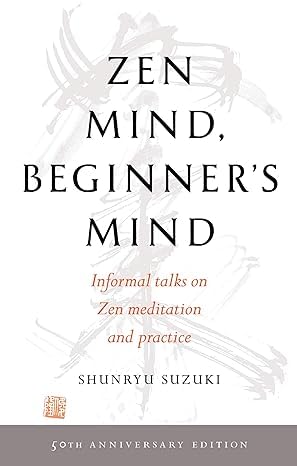
Zen has a particularly American chapter, too. In 1962, the Japanese teacher Shunryu Suzuki helped found the San Francisco Zen Center, and his 1970 book Zen Mind, Beginner’s Mind became one of the most influential introductions to Zen in the West. Its central idea, shoshin or “beginner’s mind,” is a fitting place for any beginner to start: approach each moment with openness and curiosity, as if for the first time.
What Are the Core Principles of Zen Living?
Presence. Do one thing at a time and give it your full attention. When you eat, eat. When you walk, walk. This is the heart of the practice, and it’s the same skill that modern mindfulness teaches; our guide to what mindfulness is covers the basics.
Simplicity. Keep only what serves you, in your home, your calendar, and your mind. Simplicity isn’t deprivation; it’s making room for what matters.
Beginner’s mind. Approach familiar things with fresh curiosity instead of assuming you already know them.
Acceptance. Notice what is happening without immediately judging or fighting it. Acceptance doesn’t mean giving up on change; it means starting from reality.
Non-attachment. Hold things, plans, and outcomes lightly. Our guide to detachment and inner freedom explores this idea in more depth.
Work as practice. In Zen monasteries, daily chores called samu are treated as meditation in motion. Sweeping the floor is not a distraction from practice; it is the practice.

What Are the 7 Principles of Zen Aesthetics?
Zen didn’t only shape how people meditate; it shaped how they design, decorate, and live. The philosopher Shin’ichi Hisamatsu identified seven characteristics of Zen art, and researchers have since argued that these same principles can support well-being in everyday life (Lomas et al., Journal of Religion and Health, 2017). Here’s what each one means and how to use it at home.
| Principle | Meaning | How to use it at home |
|---|---|---|
| Kanso | Simplicity | Clear one surface completely and keep it that way |
| Fukinsei | Asymmetry, imperfection | Arrange objects in odd numbers and uneven groupings |
| Shizen | Naturalness | Choose natural materials: wood, stone, linen, plants |
| Koko | Austere, weathered beauty | Keep well-worn objects that carry their history |
| Yugen | Subtle, quiet depth | Use soft, indirect lighting instead of harsh overhead light |
| Datsuzoku | Freedom from routine | Add one small element of surprise, like a single branch in a vase |
| Seijaku | Stillness, tranquility | Create one quiet corner with no screens |
You don’t need all seven at once. Kanso and seijaku alone, one clear surface and one quiet corner, will change how a room feels. The Japanese appreciation of imperfect, weathered beauty is also the root of wabi-sabi, which our guide to wabi-sabi home decor explores in detail.
Why Does a Calm Space Matter for a Calm Mind?
The link between your surroundings and your state of mind isn’t just aesthetic. In a study of dual-earner couples in Los Angeles, researchers asked participants to give a video tour of their homes. Women who described their homes with more stressful words, such as “cluttered” or “unfinished,” showed less healthy daily cortisol patterns and more depressed mood over the day than those who described their homes as restful (Saxbe & Repetti, Personality and Social Psychology Bulletin, PubMed).
That doesn’t mean a messy kitchen is a health crisis. It does suggest that how your home feels to you, restful or demanding, shapes your days. Zen living treats your space as a partner in your practice.

What Is Zen Minimalism?
Zen minimalism is the practice of keeping your home and life free of excess so that what remains can be fully appreciated. It differs from trendy minimalism in a few important ways: it isn’t about owning a specific number of things, achieving a stark white aesthetic, or buying expensive “minimalist” products. It’s about attention. When you own less, you notice and care for what you have.
A few gentle rules help:
Start with one drawer, not the whole house. Small, finished projects build momentum. Our guide to decluttering your home the mindful way offers a room-by-room approach.
Ask “Do I use it, or do I love it?” If the answer is neither, it can probably go.
Leave empty space on purpose. In Japanese design, the concept of ma treats empty space as an active part of a room, not wasted space.
Apply the same thinking to your schedule and your devices. A calm home with a chaotic phone isn’t fully calm. Our guide to digital minimalism has twelve practical ideas.
For room-specific ideas, see our guides to zen bedroom ideas, minimalist living room ideas, and biophilic design for bringing natural elements indoors.
Zen Living for Beginners: How Do You Start?
The most common mistake beginners make is trying to change everything at once. Zen living works better as a slow accumulation of small habits.
Week 1: One mindful activity a day. Choose a single daily task, like your morning coffee, a shower, or washing up after dinner, and do it with full attention. No phone, no podcast. Just the task.
Week 2: One clear surface. Pick a kitchen counter, desk, or nightstand. Clear it completely, put back only what you truly need, and keep it that way.
Week 3: Five minutes of sitting. Sit quietly each morning for five minutes and follow your breath. If your mind wanders, simply return. Our guide to starting a daily meditation practice explains how to make it stick.
Week 4: One screen-free hour. Choose an hour each evening with no screens at all. Read, cook, walk, or sit outside.
After a month, these four habits will have changed your days more than any dramatic overhaul.

What Does a Zen Daily Routine Look Like?
Morning (10 minutes). Wake without checking your phone. Drink a glass of water slowly, sit for five minutes of quiet breathing, and choose one intention for the day. Our morning meditation routine offers a step-by-step version.
Throughout the day. Single-task whenever you can. When you notice yourself rushing, pause for three slow breaths. Walk somewhere without headphones and notice your steps; our walking meditation guide shows how.
At meals. Eat at least one meal a day without screens, tasting each bite. Our guide to zen eating goes deeper.
Evening (10 minutes). Reset one space, such as the kitchen counter or your desk, so tomorrow starts calm. Then reflect on one thing that went well. If you enjoy ritual, a simple tea practice inspired by the Japanese tea ceremony is a beautiful way to end the day.
Weekly. Spend time in nature, tend to a plant or an indoor zen garden, and let go of one thing you no longer need.

What Are Common Misconceptions About Zen Living?
“It means having no feelings.” Zen practice isn’t about suppressing emotions. It’s about noticing them clearly without being swept away.
“It requires a minimalist, all-white home.” A zen space is calm and intentional, not sterile. Warm wood, plants, and well-loved objects belong there.
“It means withdrawing from the world.” Zen is practiced in kitchens, offices, and traffic, not just on mountaintops. The point is to be more present in your real life.
“You have to be good at meditation.” Nobody is “good at” meditation at the start. A wandering mind isn’t failure; noticing it and coming back is the practice.
“It’s a quick fix for stress.” Zen living helps most when it becomes a gentle, ongoing habit rather than an emergency tool.

Where to Start
You don’t need to buy anything to live more simply; in fact, that’s rather the point. Two things, though, make the practice easier to begin. A zafu, the round cushion traditionally used for Zen meditation, raises your hips so your knees can rest lower than your pelvis, which makes sitting upright far more comfortable than sitting on the floor or a couch. And Shunryu Suzuki’s Zen Mind, Beginner’s Mind remains one of the clearest, warmest introductions to Zen practice ever written, short enough to read in a weekend and deep enough to reread for years.

- Cotton
- Imported
- NATURAL COMFORT & SUPPORT: Filled with sustainable buckwheat hulls, this meditation cushion elevates your practice by al…
The Bottom Line
Zen living for beginners isn’t about becoming someone else. It’s about paying closer attention to the life you already have: one task at a time, one clear surface at a time, one breath at a time. Its roots run through centuries of Chan and Zen Buddhism, and its aesthetic principles, simplicity, naturalness, and stillness, translate beautifully into a modern American home. Start small, practice beginner’s mind, and let calm build gradually.
Frequently Asked Questions
What does it mean to live a zen life?
Living a zen life means bringing full attention to everyday activities, keeping your surroundings and schedule simple, and accepting things as they are rather than constantly fighting them. It’s inspired by Zen Buddhism but doesn’t require religious practice.
Do you have to be Buddhist to practice zen living?
No. Zen living borrows principles like presence, simplicity, and beginner’s mind from Zen Buddhism, but anyone can practice them. If you want to explore the religious tradition, many Zen centers offer introductory sessions.
What is the first step to zen living?
Choose one daily activity, like drinking your morning coffee or washing dishes, and do it with your full attention and no screens. This single habit builds the core skill of zen living: presence.
What is the difference between zen and minimalism?
Minimalism focuses on owning fewer things. Zen living includes simplicity but goes further, emphasizing presence, acceptance, and attention. A zen approach to minimalism keeps what you use or love and cares for it mindfully.
How do I make my home more zen?
Start by clearing one surface completely, adding natural materials like wood and plants, using soft lighting, and creating one quiet corner without screens. The Japanese principles of kanso (simplicity) and seijaku (tranquility) are good guides.
What does beginner’s mind mean in Zen?
Beginner’s mind, or shoshin, means approaching each experience with openness and curiosity, as if for the first time. The idea was popularized in the United States by Shunryu Suzuki’s 1970 book Zen Mind, Beginner’s Mind.
This article is for general educational purposes and reflects traditional and spiritual practices. It is not a substitute for professional medical or mental health advice. If you are experiencing persistent stress, anxiety, or low mood, please consult a licensed healthcare provider.
References
- Lomas, T., Etcoff, N., Van Gordon, W., & Shonin, E. “Zen and the Art of Living Mindfully: The Health-Enhancing Potential of Zen Aesthetics.” Journal of Religion and Health, 56(5), 2017. https://repository.uel.ac.uk/item/84v0w
- Saxbe, D. E., & Repetti, R. “No Place Like Home: Home Tours Correlate With Daily Patterns of Mood and Cortisol.” Personality and Social Psychology Bulletin, 2010. PubMed. https://pubmed.ncbi.nlm.nih.gov/19934011/
- Suzuki, S. Zen Mind, Beginner’s Mind. New York: Weatherhill, 1970.
3 thoughts on “Zen Living for Beginners: A Practical Guide to Simplicity, Presence, and Calm”